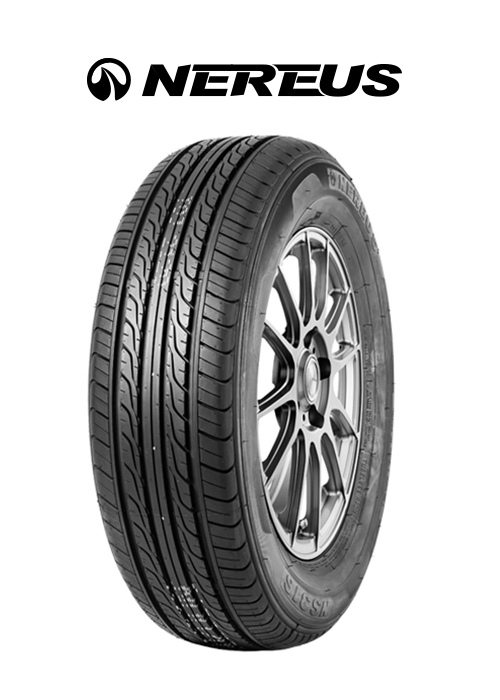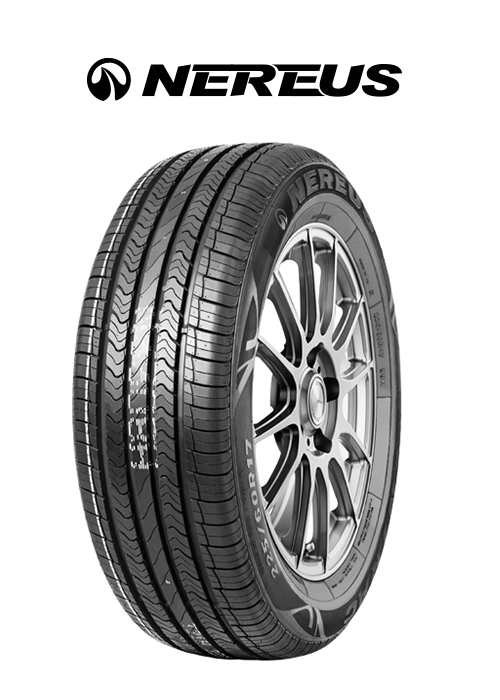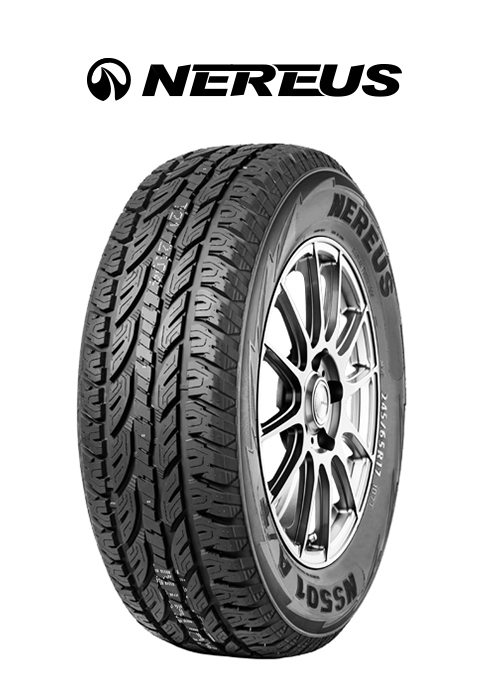
Upgrading your car’s wheels brings a flood of options that can feel daunting. All season touring tires rank among the top picks. Sellers pitch them as handy choices for everyday drivers. Still, ongoing false ideas about their capability, lasting power, and worth often push shoppers toward poor picks.
We break down the top five false beliefs here. To guide your upcoming buy, we draw on design knowledge and actual use results.
If you seek high performance all season tires for lively trips or affordable all season tires for routine drives, these points matter a great deal.
Myth 1: All Season Touring Tires Are Only for “Comfort,” Not Performance
A lot of motorists figure that picking a “touring” tire trades off security and steering for a smooth trip. That view misses the mark today. Current touring tires get built with even attention to extended wear and steady road hold.
Take a top-shelf touring tire as an example. It usually includes a varied-angle straight groove pattern. This element counts because it boosts direction feel and control on damp or clear paths. Far from feeling loose, such tires offer a firm middle band. This keeps a steady touch with the surface. As a result, ease pairs well with command.
Myth 2: They All Perform the Same in the Rain
The term “all season” does not signal matching results across every setup. The difference is clearest on slick roads between a cheap option and a solid build.
Leading choices add forward noise-blocking methods and custom rubber blends. These incorporate better sound-trapping layers and fine-tuned tread spacing. Such features cut down on “pipe resonance”—that bothersome buzz—while boosting hold in rainy spots. The side grooves work to push out water fast. This avoids slipping on water, setting expert-level options apart from basic ones.
Myth 3: High-Performance All Season Tires Are “Overkill” for Daily Drivers
You may assume high performance all season tires (UHP All Season) suit only sporty rides. In truth, today’s family cars and crossovers pack on weight and strength. This calls for tires with tougher inner builds.
Performance-focused versions commonly have bolstered sidewalls. These raise weight support and bump toughness. They fit well for folks who hit expressways often or deal with uneven streets. The table below outlines key differences. It can help you pick the right group for your ride.
| Feature | All Season Touring Tires | High-Performance (UHP) All Season |
| Primary Focus | Comfort, Quietness, Long Tread Life | Handling, High-Speed Stability, Grip |
| Tread Wear | Generally Higher (Longer lasting) | Moderate |
| Speed Rating | Usually T, H, or V | W, Y, or ZR |
| Best For | Family Sedans, Minivans, Commuting | Performance Sedans, Crossovers, Enthusiasts |
| Typical Sizes | 13″ – 16″ | 16″ – 20″ |

Myth 4: Affordable Tires Lack Quality Certifications
Folks often think affordable all season tires cut corners on key safety checks to lower prices. Yet, trusted makers close that divide with separate research and full production chains.
A solid, budget-friendly tire has to clear tough worldwide rules. These cover DOT (USA), ECE (Europe), REACH,M+S and 3PMSF.Checking quality goes beyond the end item. It covers a full step-by-step approach. This includes:
- Static Tests:Weight, dimensions, and balance.
- Dynamic Tests:High-speed endurance, rolling resistance, and uniform force.
- Environmental Tests:Assessing how the rubber compound reacts to different temperature scales.
Myth 5: One Set of Tires Works Perfectly in Every Global Climate
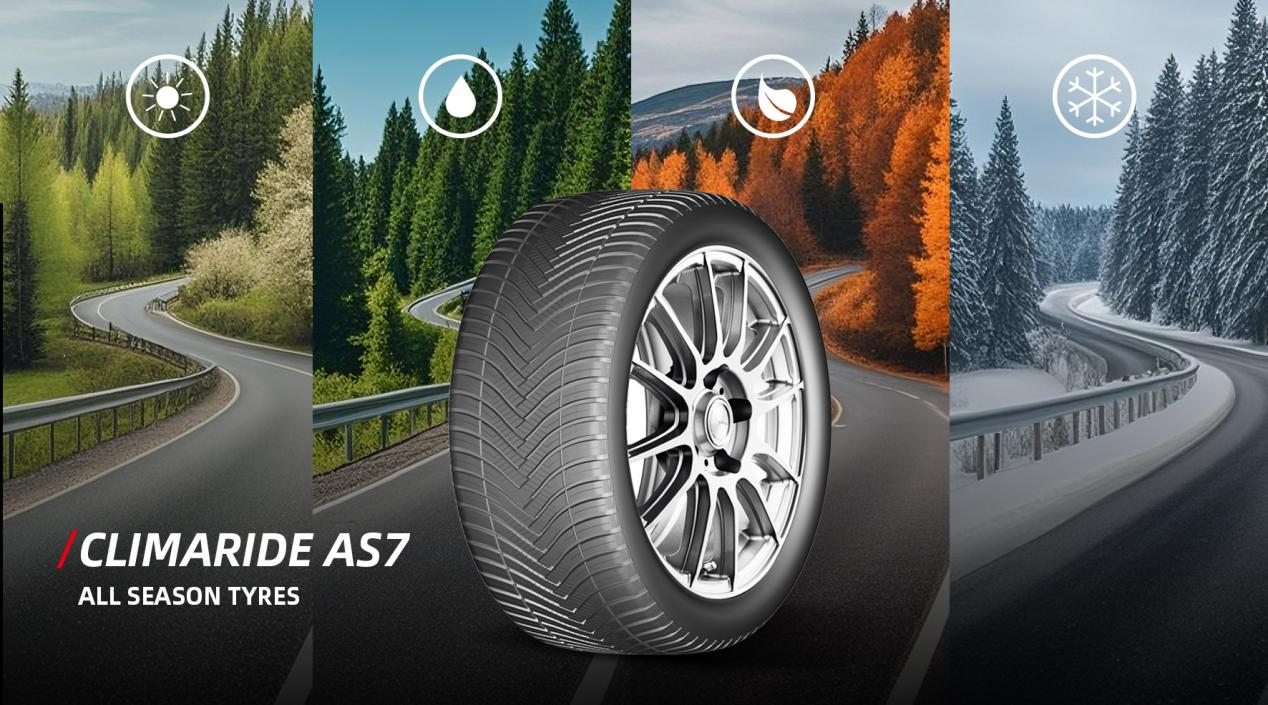
All season tires show flexibility, but makers often adjust them for certain areas. A smart tire plan gathers input from various spots to tweak the design.
For one thing, a tire for the wet, drizzly weather in the UK needs a unique silica mix. This differs from a version for bumpier paths in growing areas or the colder weather in southern Europe.
Success Case: Custom Solutions for Diverse Needs
Modern all season advances shine through in area-specific changes. Consider one case where a producer crafted a custom Van tire for a buyer in Haiti. The goal centered on toughness for rough surfaces.
In contrast, for a UK customer, the effort turned to a warm-leaning all season tire. It stressed wet-road hold to manage steady showers. Such tailoring means “all season” serves as a fitted answer, not a middle path.
Conclusion
Finding the best tire involves balancing capability, security, and expense. At NEREUS, we take pride in our own label that spans all car demands. With more than 500 types, the NEREUS passenger lineup—from HP and UHP to focused VAN and ST tires—gets made to hit the toughest worldwide benchmarks.
No matter if you want the calm ride of a touring tire or the sharp response of a performance unit, NEREUS blends solo research with a skilled tech crew. This setup backs every kilometer with reliable quality. Check our lineup now to spot the ideal match for your vehicle.
FAQ
Q: Can I use all season touring tires in heavy snow?
A: These tires manage mild snow decently. However, they cannot replace true winter tires in deep freezes. If your spot sees thick ice and heavy falls,You can choose studded winter tires.
Q: How long do all season touring tires typically last?
A: Quality touring tires aim for 50,000 to 80,000 miles. The exact span depends on your driving style, path quality, and upkeep, like wheel turns and setups.
Q: Are all season tires noisier than summer tires?
A: That is not always the case. Up-to-date touring tires apply spaced tread patterns and noise-cutting fillers. These target lower inside sounds, frequently making them less loud than bold summer sport tires.
Q: Why is there such a big price difference between brands?
A: Costs tied to the effort in development, the rubber blend’s makeup (like silica levels), and how strictly makers check items. Budget all season tires from dedicated firms give strong returns. They trim making expenses while keeping safety solid.
Q: Can I mix all season tires with other types on my car?
A: Stick to swapping in groups of four. Or at minimum, pairs on the same shaft. Blending varied tread styles or kinds—like one winter and three all season—can cause uneven steering and lower security.