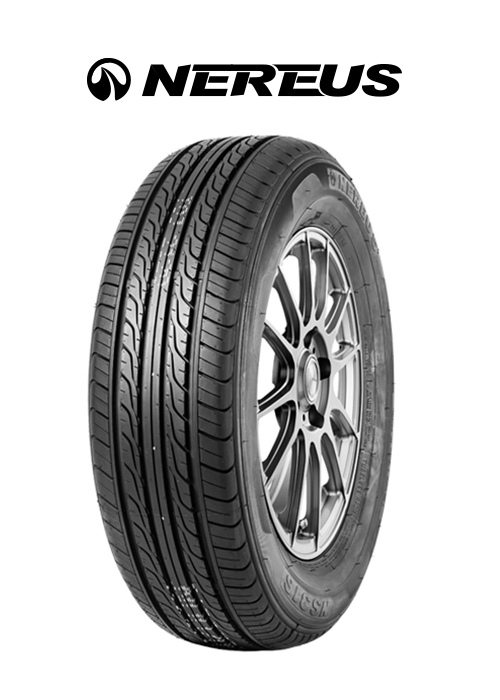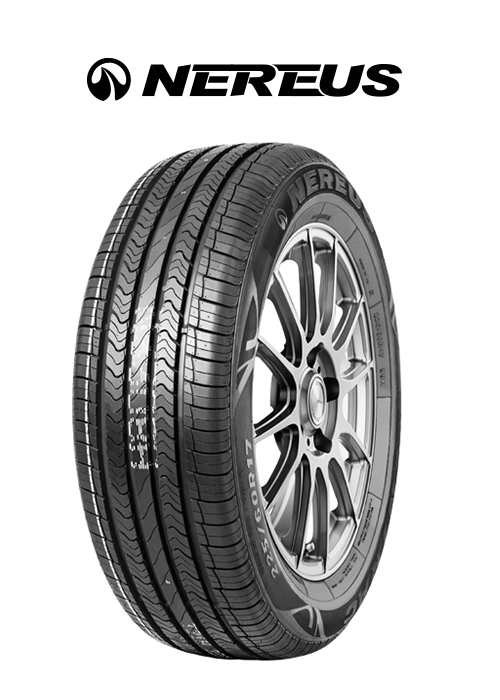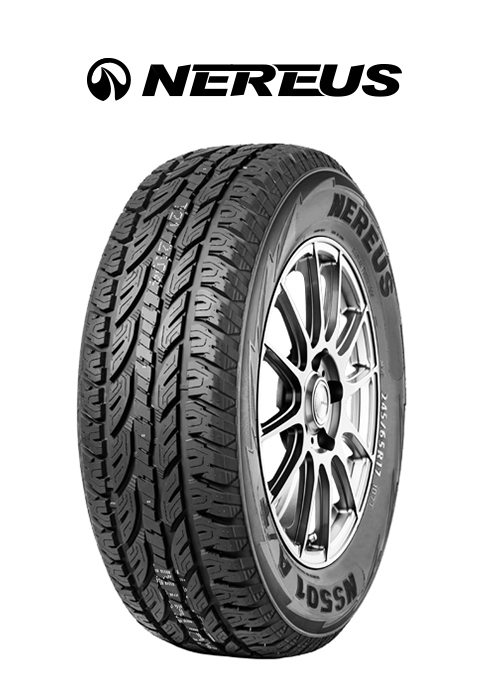
Picking the ideal tire of car stands as one of the key choices a vehicle owner faces. Tires serve as the sole connection between your vehicle and the road. They influence aspects like stopping power and fuel efficiency. Numerous top tire manufacturers vie for attention in the market. Striking a balance among performance, strength, and price can feel daunting.
This guide offers a clear method for selecting suitable tires. It explains unique technologies and ways to care for them to promote lasting safety.
Understanding the “Language” of Your Tires
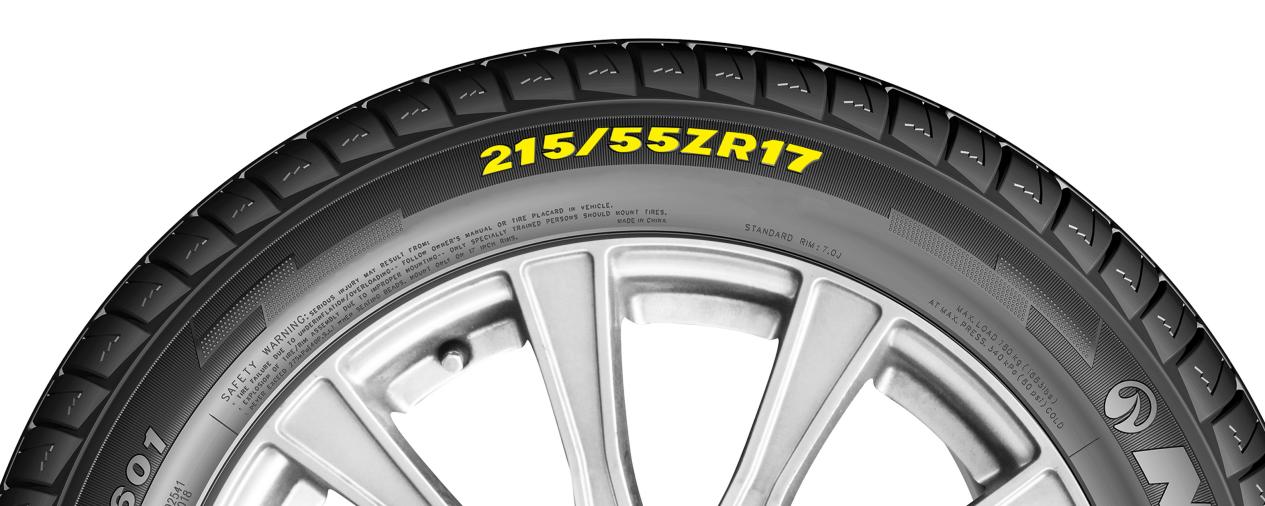
Before looking through product lists, grasp the details printed on your tire’s sidewall. A common marking, such as 215/55R17 94V, reveals much about the tire’s features.
- Width (215): The tire’s width measured in millimeters. Wider tires often deliver improved traction. However, these tires might raise fuel use as well.
- Aspect Ratio (55):The sidewall height expressed as a percentage of the width. Smaller ratios enhance control. Larger ratios give extra comfort from bumps.
- Rim Diameter (17):The wheel size in inches for which the tire fits properly.
- Load & Pressure:Always review the “Max Load” and “Max Pressure” values. For trucks or large SUVs, picking a tire with a low load index risks breakdown.
Matching Tires to Your Driving Environment
Various road surfaces demand particular tire designs. Current production methods allow for tailored tread designs and material mixes. If you drive on urban roads or rough paths, choosing the right type proves essential.
| Tire Type | Best Application | Key Technical Features |
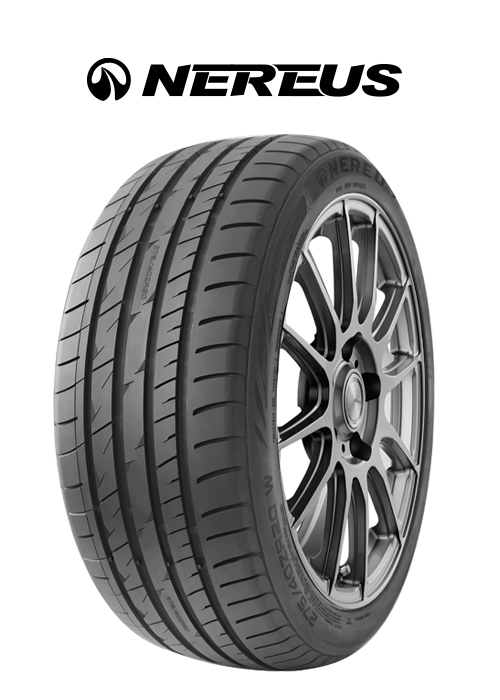
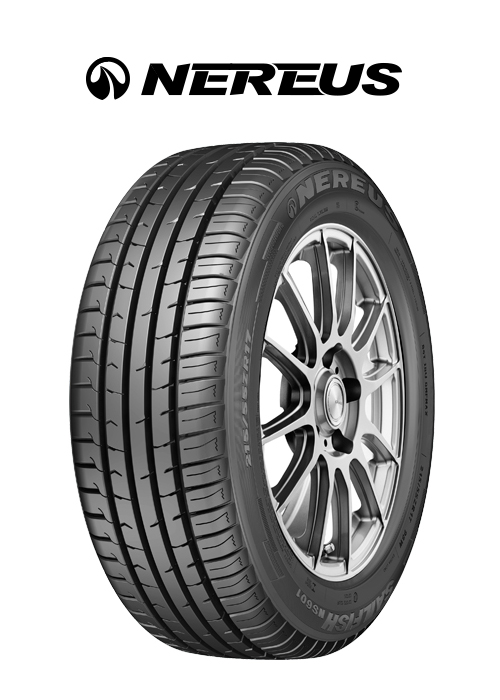
| HP/UHP (High Performance) | Highway & City driving | Low noise, high-speed stability, and optimized wet-grip. |
| AT (All-Terrain) | 50% Road / 50% Off-road (RAINFOREST/ MOUNTAIN ROAD /MUDDY ROAD /CITY)
|
Reinforced sidewalls and deeper grooves for gravel and dirt. |
| MT (Mud-Terrain) | Heavy Off-road/Construction | Large “lugs” to dig into mud and sand; high puncture resistance. |
| VAN/ST | Commercial transport | High load-bearing capacity and enhanced tread life for high mileage. |
| EV Specialized | Electric Vehicles | High load capacity and ultra-low rolling resistance for range. |
Advanced Technologies in Modern Manufacturing
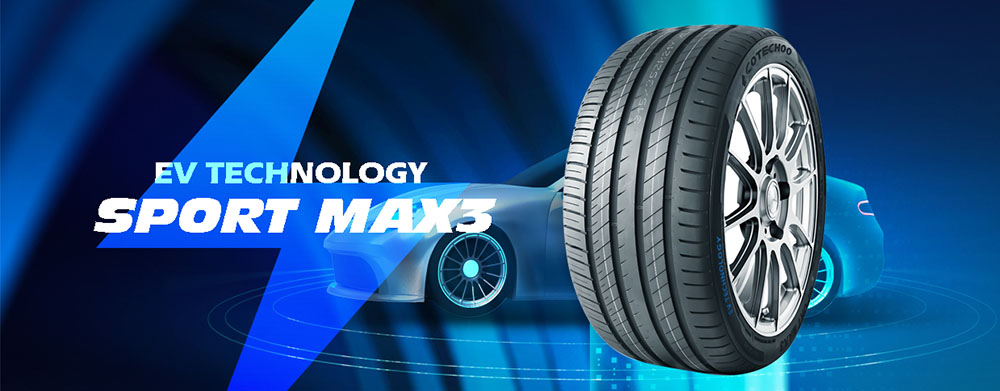
Tire development has advanced greatly. It now includes targeted fixes for today’s cars. Among top tire manufacturers, a major change involves creating tires just for Electric Vehicles (EVs).
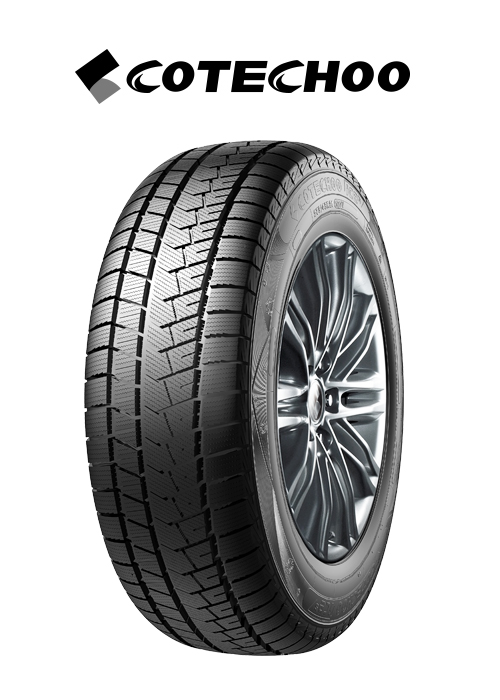
Electric vehicles (EVs) are heavier due to their battery systems. Furthermore, the more rapid power delivery of EVs accelerates the wear and tear on conventional tires. Professional-grade EV tires utilize high-strength materials and tread patterns specifically designed for EVs. These characteristics help the tires cope with the added weight while maintaining a quiet cabin environment.
Real-World Applications: Custom Solutions and Cases
Conditions on roads differ around the world. A universal solution seldom fits every situation. Experts in tire research gather worldwide information to address local issues.
- Case Study – Rough Terrain (Haiti):Places like Haiti often have bumpy or damaged roads. Standard tire of car often face blowouts. A better option is a custom VAN tire. It has tougher inner layers and lasting rubber mixes. These resist cuts from rocks and holes.
- Case Study – Temperate Climates (UK):In areas like the UK, rain falls regularly, and temperatures stay mild. Summer tires with strong wet traction and good water-shedding ability work best there.
- Specialized Customization:The field goes beyond basic sizes now. For special uses or business needs, buyers can order custom molds. This creates unique tread styles and common dimensions, from 16 to 21 inches. Such options suit exact fleet demands.
Maintenance: Avoiding the Dreaded Flat Tire
The finest tires can still go wrong without proper care. Every driver needs to learn the basics of changing a flat tire. Yet, regular upkeep remains the top way to stay safe.
- Visual Inspection: Look often for swells on the sidewall. These signal hidden damage inside. Also, watch for splits in the rubber. They mean the material has grown hard and weak over time.
- The Tread Test:Keep tread depth over 1.6mm. Quality tires have built-in bars that show when wear gets low.
- Alignment and Balance:When your car drifts to one side, tires wear unevenly. Factory tests ensure tires stay balanced and even. But if the vehicle setup is off, it can damage a tire quickly.
- Certifications:Seek global approvals like DOT (USA), ECE (Europe), and REACH. These confirm the tire passed speed and crash checks.
Conlcusion
Selecting the proper tire blends technical knowledge with real-life evaluation. Know your car’s details first. Then, pinpoint your main driving spots, be it urban HP or rugged MT. Follow a steady care routine. This way, you secure both protection and durability. Today’s tires go far beyond simple rubber rings. Engineers craft them with special materials to handle powerful EVs and tough commercial tasks.
When choosing tires, select brands with solid global research and rigorous quality control systems. NEREUS offers over 500 tire sizes, including HP/UHP/HT/AT/MT/VAN/ST, to meet the needs of various vehicle types. With operations in over 100 countries, the company meets stringent DOT and ECE standards. This provides today’s drivers with the reliability and superior performance they need.
Want to boost your car’s abilities? Go with NEREUS for top-notch quality on every drive. Reach out now for a tire plan that fits your roads perfectly.
FAQ
Q: How often should I check my tire pressure?
A: Check tire pressure monthly at a minimum. Do it before long trips, too. Measure when tires are cool, after less than 3 miles of driving, to get true results.
Q: Can I order tires directly from existing inventory?
A: Yes, many suppliers let you buy from stock. Stock shifts every day, though. So, verify with a contact right away before you commit.
Q: How do I know when I need a new tire or just a repair?
A: Small holes in the center tread, under 6mm, often fix well. But sidewall harm or bigger punctures over a quarter-inch demand a new tire. Safety comes first.
Q: What is the typical lead time for a new tire order?
A: For large or business orders, schedules fill by the 20th of the month. Once started, production and shipping take around 25 days total.
Q: Does the “DOT” number on the tire matter?
A: Yes, it does. The final four digits show the manufacturing week and year. Inspect tires over six years old carefully. Replace any past ten years, even if tread looks good, due to material breakdown.