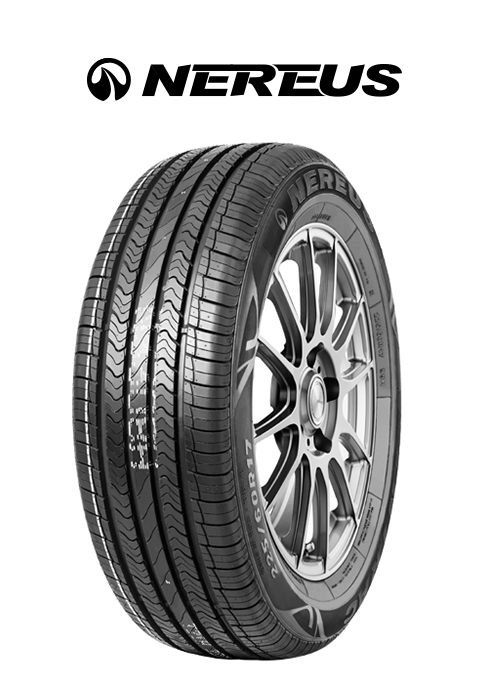
A luxury SUV tire needs a clear place in a dealer’s range. Highway comfort, wet-road behavior and seasonal suitability all matter, but a performance label alone cannot explain the fit. DYNTRAC addresses this question through an all-season touring design. For distributors, the useful distinction is how that design serves everyday road use, and where a different seasonal or vehicle specification is needed.
A touring role for road focused SUVs
A road-focused SUV range should separate everyday touring needs from specialist terrain demands. Within the Nereus car tires range, DYNTRAC serves passenger cars, crossovers and SUVs with an all-season premium touring design. Its luxury SUV positioning belongs in that road-use context, with dry and wet conditions forming the core application.
High performance all season tires need a balanced explanation at the counter. A dealer should connect the pattern to the customer’s regular journeys before discussing individual sizes. For DYNTRAC, the useful starting point is mixed everyday road conditions, including light snow within its intended scope. Severe winter use requires a separate assessment.
This positioning gives distributors a practical way to evaluate local demand. A dealer serving mainly paved-road SUV traffic has a different need from one serving mountain winter routes. Defining that distinction keeps the performance description tied to an identifiable application.
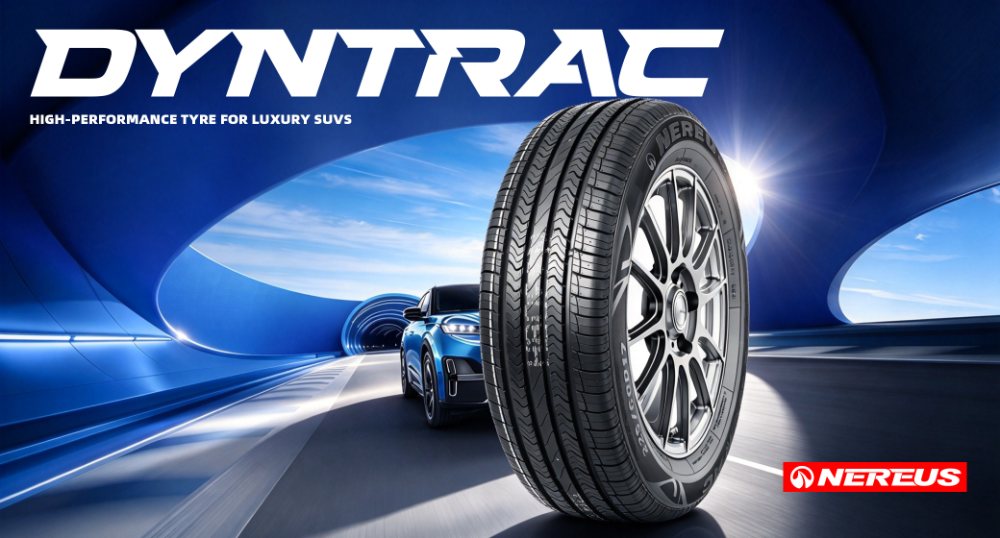
How the tread handles changing road conditions
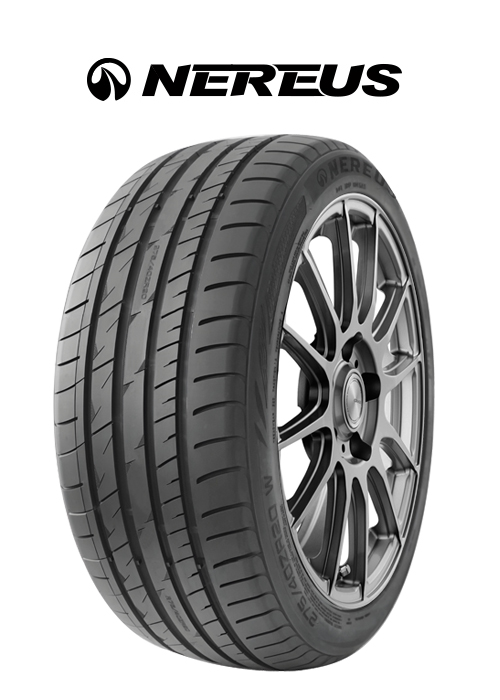
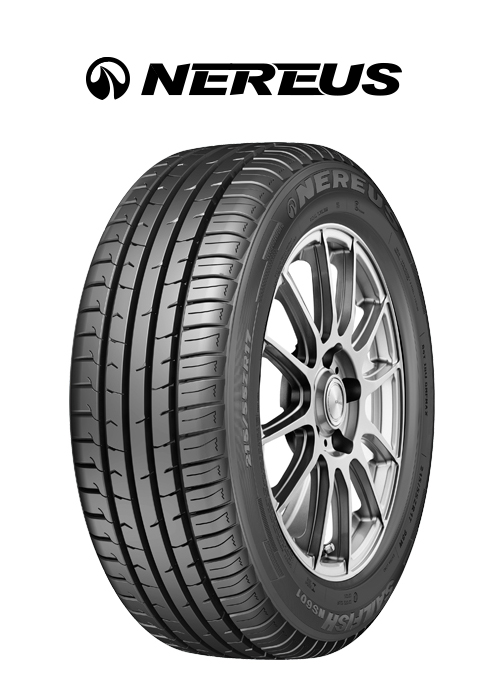
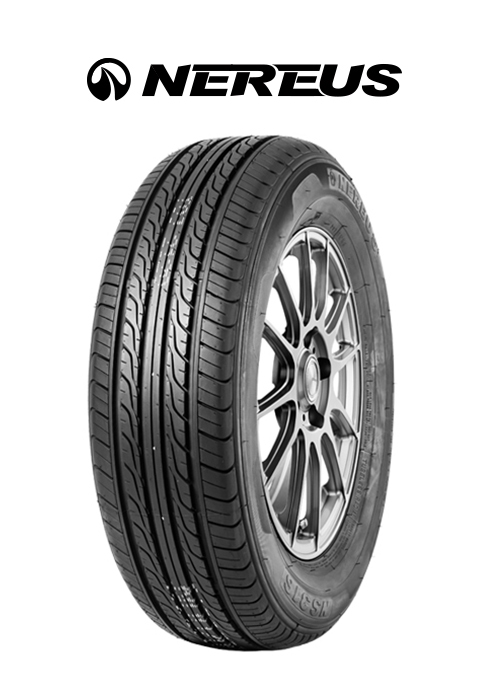
Water evacuation is central to DYNTRAC’s wet-road design. Four circumferential grooves provide drainage paths around the tire, while streamlined lateral grooves support water movement across the tread. Together, these features address the wet-weather demands associated with highway all season tires. They are design features, rather than a guarantee against hydroplaning.
Cross-hatch sipes add another element to the tread’s grip strategy. These small cuts create additional edges for slippery surfaces, helping explain the pattern’s intended use across dry roads, wet roads and light snow. The grooves and sipes perform related jobs, but neither establishes a measured stopping distance on its own.
Remaining tread depth also affects the wet-road result. As tread wears, wet grip declines and hydroplaning risk increases. Dealer explanations should therefore connect the pattern’s drainage design with tire condition throughout service, instead of implying that a new-tire feature delivers an unchanged benefit for the tire’s entire life.
What the noise figures mean for SUV comfort
DYNTRAC’s five-rib pattern is designed to address wear, pattern noise and high-speed stability. That connects the tread layout to the touring brief. It gives sales teams a concrete design explanation without requiring an unsupported claim that the tire is quieter or lasts longer than another product.
External rolling noise provides a specific measurement with a limited meaning. The three fitments below carry figures of 71 or 72 dB. This label value concerns sound outside a passing vehicle. It does not measure cabin noise, so a 71 dB figure cannot establish how quiet a particular luxury SUV will feel inside.
A useful comfort discussion separates the design intention from the driving impression. Dealers can explain the five-rib layout and the external noise figure while leaving cabin comfort claims to relevant vehicle testing. This distinction is especially useful when presenting all season SUV tires to customers who expect a refined ride.
Fitment details define the usable SUV range
Size coverage turns the touring concept into a usable dealer offering. DYNTRAC spans 16 to 20 inch rim diameters, but rim diameter alone does not establish vehicle suitability. Tire size, load index and speed rating must match the vehicle’s requirements. The following examples show why the complete specification matters.
| DYNTRAC size | Load and speed | Maximum load per tire | External noise |
| 235/60R18 | 107V XL | 975 kg | 72 dB |
| 245/50R20 | 102V | 850 kg | 71 dB |
| 255/50R20 | 109W XL | 1,030 kg | 72 dB |
The two 20 inch examples illustrate an important boundary. The 245/50R20 102V and 255/50R20 109W XL specifications have different load capacities despite sharing a rim diameter. They are separate fitments, not interchangeable upgrades. Maximum load figures also depend on the applicable inflation and operating conditions.
For dealers evaluating 245 50R20 all season tires, the relevant DYNTRAC example is 102V with an 850 kg maximum load per tire. Confirming the full service description prevents a broad SUV category label from replacing a vehicle-specific fitment check.
A correct vehicle fit still needs an appropriate seasonal application. DYNTRAC’s all-season touring positioning includes light snow, but that description alone does not establish suitability for severe snow or ice. The three-peak mountain snowflake symbol identifies tires meeting specific severe-snow performance requirements; an all-season label alone does not.
Local winter conditions determine whether this touring role remains appropriate through the year. Persistent ice or severe snow calls for a suitable winter specification. Distributors should keep that distinction visible in product training, particularly where the same SUV size is sold into both mild and demanding winter markets.
A clear place in the luxury SUV range
DYNTRAC fits a defined dealer need: an all-season touring pattern for road-focused SUVs, supported by drainage features and a spread of vehicle-specific sizes. Its strongest explanation joins those features to everyday use, interprets noise figures accurately and keeps severe winter conditions outside a blanket year-round promise.
For a local SUV range review, share the target tire sizes and typical road conditions with NEREUS to confirm the appropriate DYNTRAC specifications.
FAQ
Is DYNTRAC an all-season tire for luxury SUVs?
DYNTRAC is an all-season premium touring tire positioned for luxury SUVs, with passenger-car and crossover fitments also included. Its intended conditions cover dry roads, wet roads and light snow, subject to appropriate fitment and use.
How does DYNTRAC manage water on wet roads?
Four circumferential grooves and lateral grooves support water evacuation. Cross-hatch sipes add edges for slippery surfaces. These features explain the tread design, but do not eliminate hydroplaning risk.
Does 71 dB mean a quiet SUV cabin?
The 71 dB value is an external rolling-noise figure for particular sizes. It measures a different sound context from the cabin, so it cannot substantiate a specific interior comfort claim.
Are all DYNTRAC sizes suitable for the same SUV?
Each size has its own service description. Match the complete tire size, load index and speed rating to the vehicle requirements. A shared pattern name or rim diameter does not establish interchangeability.
Can DYNTRAC replace a severe winter tire?
Light-snow positioning alone does not support that substitution. For severe snow or ice, select a suitable winter specification and check the relevant performance markings and local requirements.