Introduction
Winter demand becomes more profitable when a distributor stocks clear product roles instead of a long, unstructured catalogue. A practical NEREUS winter tires portfolio uses one passenger-car core, one SUV snow option, and one light-commercial lane. This structure lets dealers match local vehicle demand, protect cash from slow sizes, and quote winter capability with evidence. The result is a range that is easier to sell, replenish, and explain than a mixed pallet built only around low unit cost.
Start With Demand Lanes
A profitable winter range starts with vehicles and weather patterns that create repeat orders. Separate demand lanes before choosing patterns, because one tread cannot serve compact cars, premium sedans, SUVs, and loaded vans equally. NEREUS tires still need a buyer, fitment list, and sales message for each lane.
Use Four Practical Lanes
Passenger core: common 13–16 inch winter fitments for compact cars and sedans.
SUV snow lane: city and medium SUVs needing load capacity and snow/ice control.
Premium lane: luxury and sports sedans where wet grip, noise, and clear specifications influence sales.
Commercial lane: vans and light trucks needing winter traction, payload, and delivery reliability.
Match Each Lane to a Stock Role
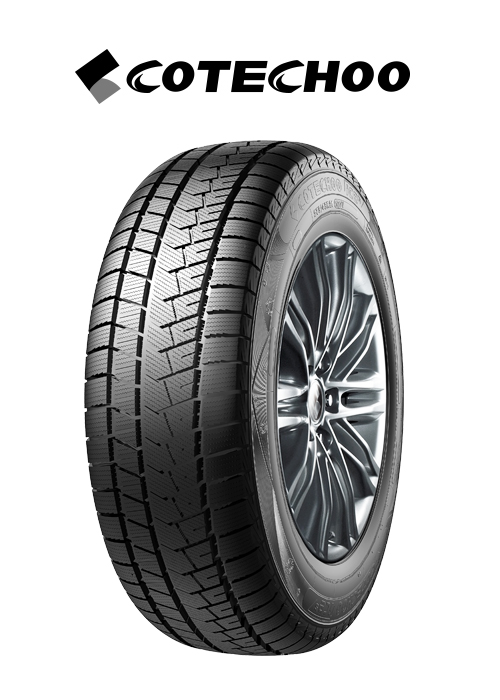
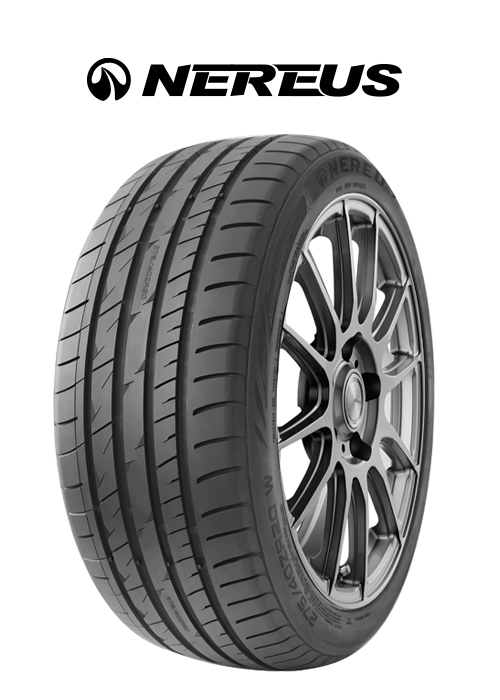
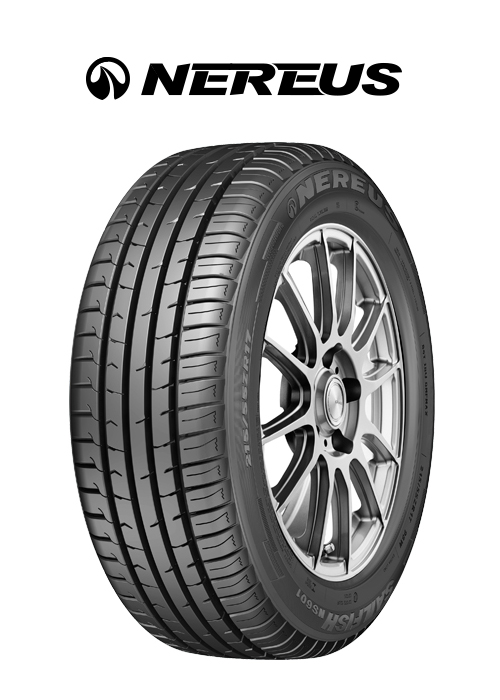
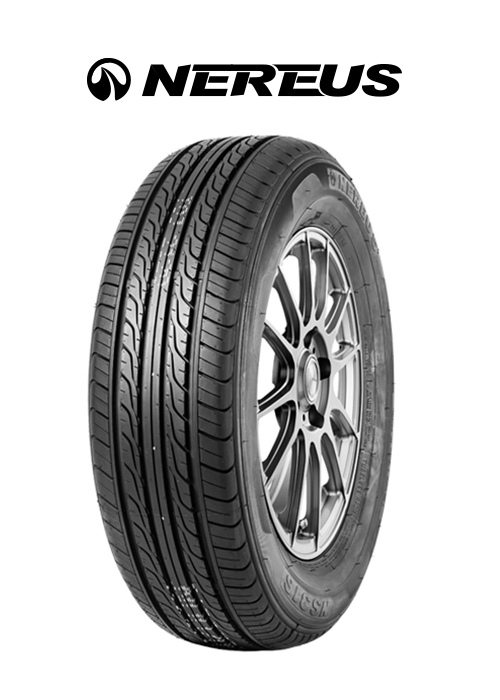
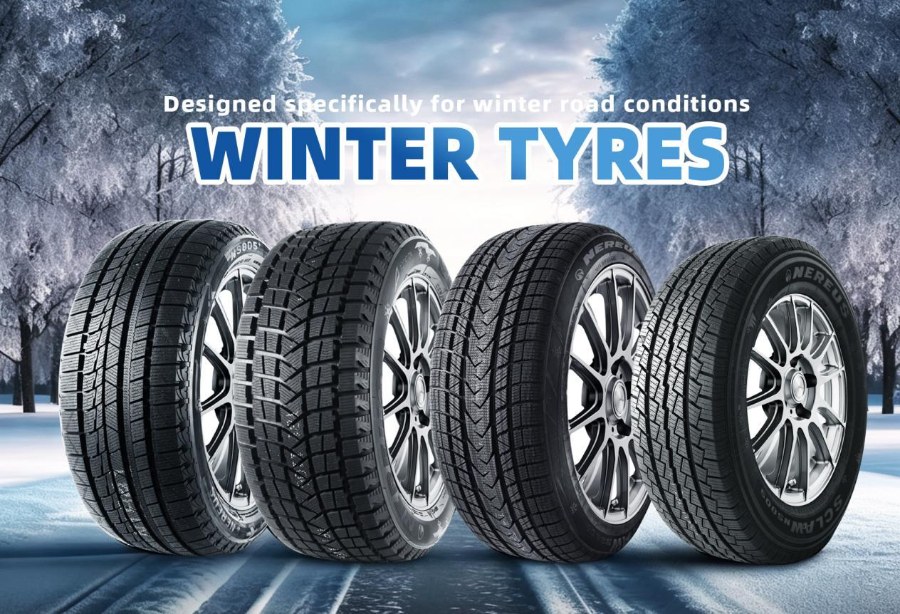
Use the NEREUS winter tires range as a portfolio map, then assign every pattern a stock role. NEREUS NS805/NS808 is the passenger anchor, NS806 adds an SUV lane, NS808 covers premium sedans, and NS809 opens a commercial route. The structure does not mean every size belongs in every country.
| Stock role | NEREUS pattern | Best-fit buyer lane | Evidence to quote |
| Passenger core | NEREUS NS805+/NS808 | City cars, compact cars, sedans | 13–20 inch coverage; silica compound, 3D kerfs, asymmetrical pattern |
| SUV snow | NS806 | SUVs and medium cars in snow or ice markets | 15–21 inch coverage; strong steel belt; studless design for Nordic winter use |
| Commercial winter | NS809 | Vans and light trucks | 14–17 inch coverage; commercial winter construction; C fuel efficiency and B wet grip on listed sizes |
Build a Core-and-Flex Inventory
A core-and-flex model protects cash better than equal depth across every size. Keep fast local fitments in the core, add flex sizes against a confirmed vehicle list, and schedule uncommon applications. For NEREUS tires, use sell-through data rather than brochure breadth.
Core stock: choose the most frequently requested sizes for the territory and keep replacement pairs available during the peak weeks.
Flex stock: add SUV, premium, or XL sizes against dealer forecasts, fleet lists, or confirmed campaigns.
Scheduled stock: quote uncommon sizes with a production slot and a clear customer confirmation before cash is committed.
Protect Margin Through Fitment and Labels
Fitment accuracy protects margin because a wrong load or speed description creates returns. Make winter tyre markings part of every quote by recording size, service description, application, and market. European Commission labels compare rolling resistance, wet grip, and external rolling noise, with symbols for severe snow or ice suitability.
Verify the Winter Claim
A dealer comparing severe winter tires should verify the exact 3PMSF or ice symbol for the SKU and market, not infer approval from tread depth. Winter tyre markings must match documentation and local rules. A severe winter tires claim is valid only with that evidence; AT and MT patterns are not dedicated winter products.
Quote Comparable Information
Comparable quotes reduce price-only negotiation by showing commercial value beside unit price.
Exact size, load index, speed rating, XL or C marking, and intended vehicle lane.
Pattern name, approved winter use, label classes, and any 3PMSF or ice symbol documented for that SKU.
Available quantity, production timing, packing plan, MOQ, and the date when stock was checked.
A fitment list or dealer forecast that explains the stock role.
Use Purchasing Calendar as a Margin Tool
A wholesale studless winter tyre plan should be placed before peak demand while sizes can be balanced. Orders usually start from one container, and inventory can change daily, so confirm availability after agreeing the mix.
Order Before the Peak
NEREUS tires follow a recurring calendar: orders before the 20th can enter the next month schedule, production starts around the 25th, and a standard order may be completed in about 25 days before loading. Confirm the live slot when the winter window is short.
Negotiate a Mix, Not Random Pallets
Every wholesale studless winter tyre order should show its lane mix because mix determines working-capital return. Ask for the current size list, inventory, production timing, packing, and territory policy. Regional exclusivity must be raised before quotation; any new territory remains subject to confirmation.
Turn Product Breadth Into Dealer Support
A portfolio becomes more profitable when the supplier helps dealers sell and resolve problems, not only ship tyres. Our NEREUS program covers more than 500 specifications and has an independent R&D and design team. Complete inspection and technical review of reported pictures or videos reduce after-sales friction.
Before loading, compare the market, four lanes, core/flex sizes, label evidence, availability, timing, and after-sales contact in one sheet. This becomes the replenishment plan.
Request a Winter Portfolio Quote
Send the target country, vehicle mix, fast-moving sizes, core/flex split, and selling season. We can map the right passenger range with NEREUS NS805+, NS806, NS808, and NS809 patterns, check inventory, and confirm a one-container or scheduled mix.
FAQ
How many patterns should a winter distributor stock?
Start with passenger, SUV, and commercial lanes, then add a premium pattern where demand supports it. Fitment depth, climate, dealer reach, and replenishment speed determine the final count.
Are NEREUS winter tires suitable for severe snow?
NEREUS winter tires cover passenger, SUV, and commercial lanes. NS806 is designed for SUVs on snow and ice roads, but any severe winter tires claim requires the exact 3PMSF or ice symbol and market documentation.
How should I read winter tyre markings?
Read the size, load index, speed rating, and XL or C designation first, then check the label and sidewall symbols. Winter tyre markings are not interchangeable, so confirm 3PMSF or ice approval for the exact SKU and market.