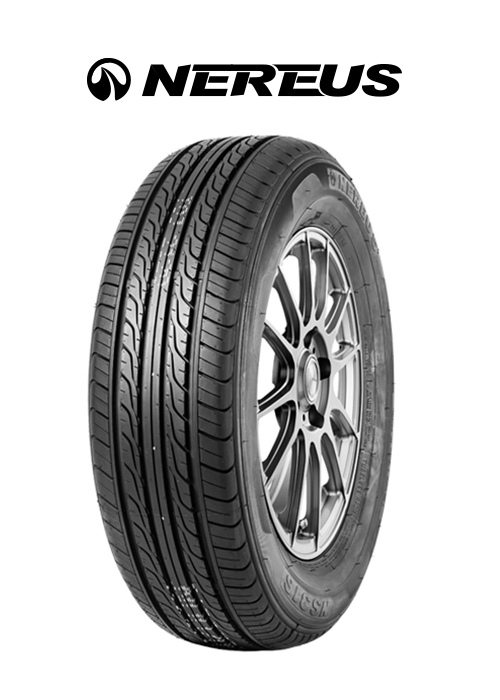
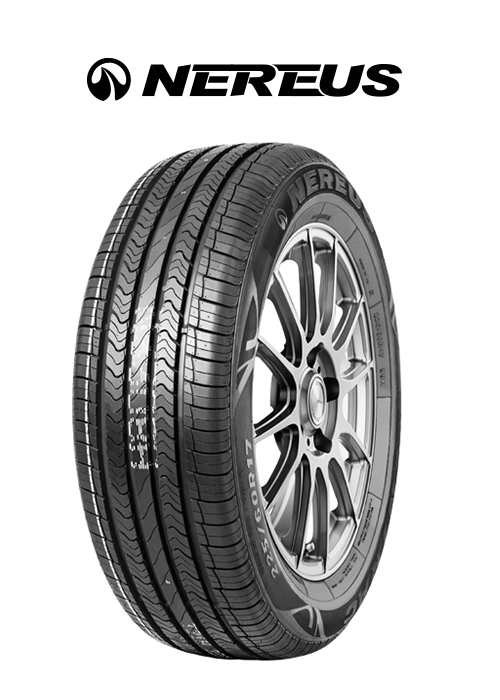
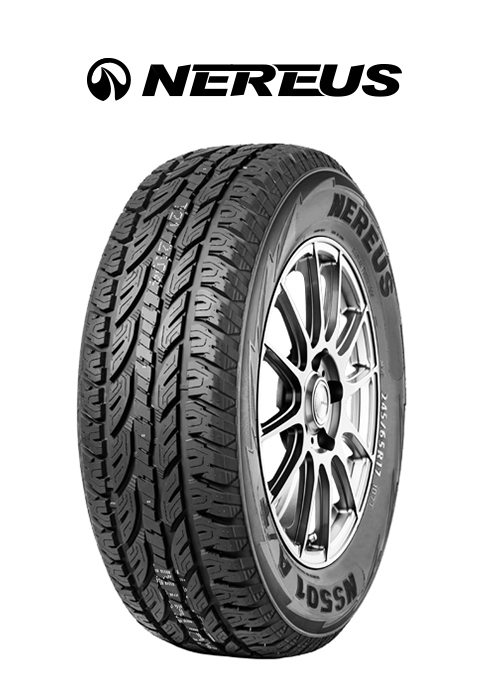
Driving during winter brings more than just a test of driving ability. It turns into a real fight against the basic laws of motion. When the air gets colder than 7°C (45°F), the rubber mix in usual summer or all-season tyres starts to stiffen. As a result, these tyres lose their hold on the pavement. This shift turns tires for winter driving into a must-have item, not just a nice extra.
For those in wholesale and distribution, grasping the edge in quality of high performance winter tires matters a lot. It helps offer choices that focus on keeping drivers safe.
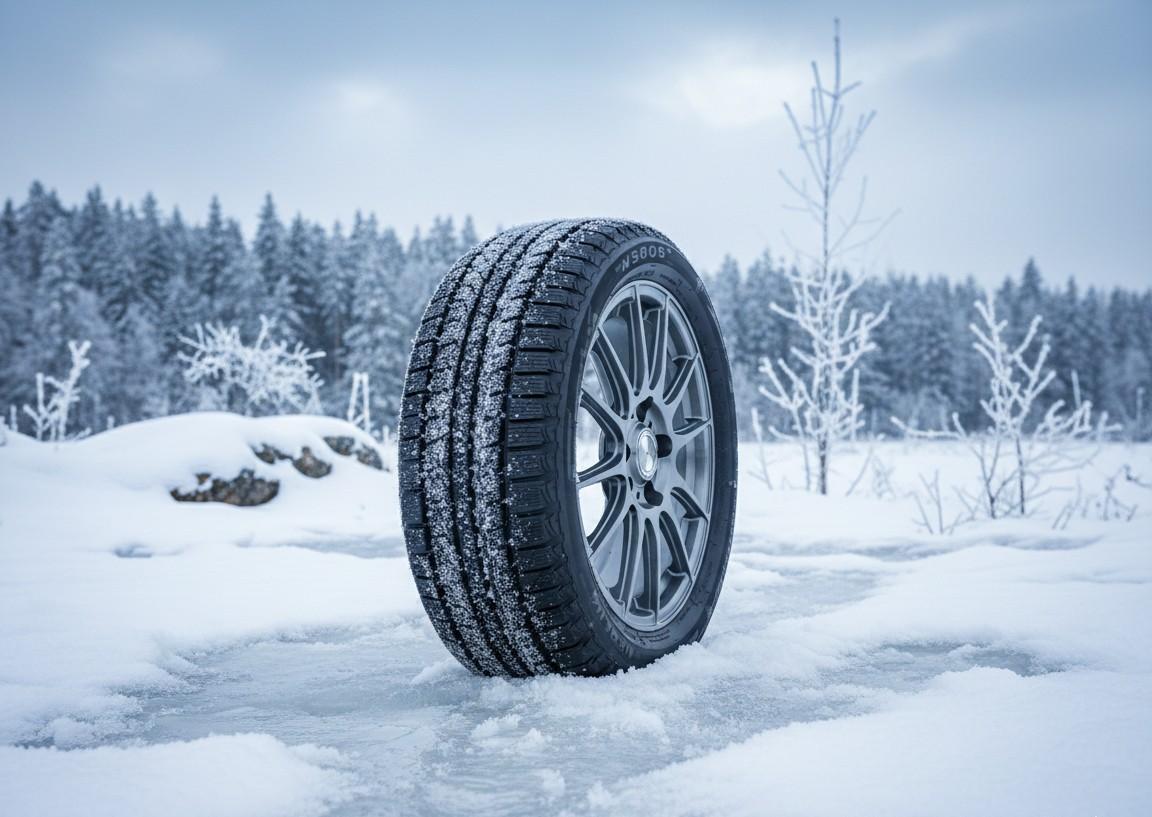
What Are Winter Tyres and How Do They Work?
Winter tires are built for chilly weather. These tires boost hold and protection by keeping pliable in icy spots, even if snow stays away.
Cold Weather Performance
Winter tyres are essential when temperatures drop below 7°C (45°F).The special mix in the tread of winter tyres stays soft in low temperatures. That bend lets the tire dig into the surface. In turn, it boosts hold and pulls better than everyday tyres.
Better Traction
Winter tyres shine on chilled, bare roads, plus snow or ice. Their custom tread shapes push away snow, wet slush, and liquid from the tire. This cuts the chance of sliding on water. It also sharpens control.
Overall, drivers get safer steering in winter trips.
How Do These Tires Maintain Grip on Ice and Snow?
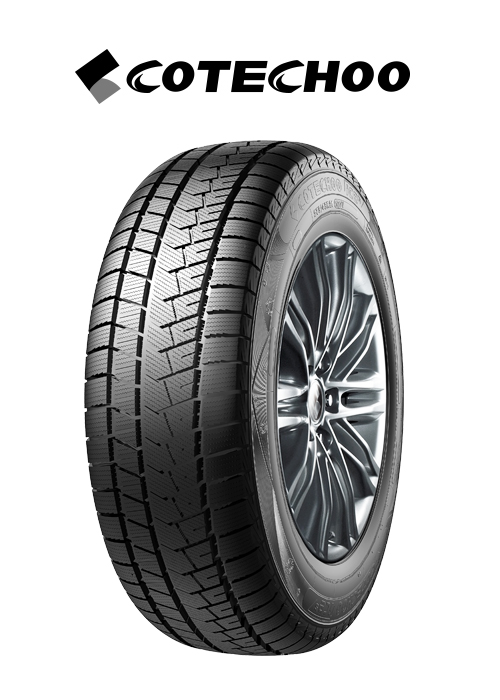
The gains in safety during harsh storms come from three main build traits. You find them in top lines like the WINTER SPORT and EV series:
Advanced Siping Technology
Summer tires lack this technology. Winter versions have loads of small cuts called sipes. These serve as sharp points that latch onto ice.
For example, the WINTER SPORT series has a focused design. It delivers strong pull and stop power. The way it works is by gripping slick spots firmly.
3D Groove Design
To fight sliding on soft slush, lines like the MK677 use wide 3D paths. Such channels clear out fluid and mush fast. Because of this, the tire keeps a steady touch with the hard ground.
Specialized Tread Depth
Winter tires have extra-deep treads. This lets them pack snow into the lines. Then, the snow rubs against itself for a better hold.
Comparison: Winter Series Performance Features
| Feature | WINTER SPORT Series(Winter Sport) | EV Series(ICE3 /ICE5) | VAN Series(NS809 ) |
| Primary Focus | Speed & Handling | Extreme Ice & EV Support | Heavy Duty & Slush |
| Key Technology | Specialized Siping Pattern | Heavy Load Capacity | 3D Deep Grooves |
| Best For | Passenger Cars/Highways | EVs & Heavy Sedans | Vans & Commercial Trucks |
| Benefit | Precision Braking | Stability for Heavy Vehicles | Durability on Rough Roads |
Why Do Electric Vehicles (EVs) Require Specific Winter Tires?
Electric cars bring fresh issues in the wintertime. Their weight runs higher because of the battery units. Plus, they push out quick power right away.
High performance winter tires made for EVs, such as the ICE3, are crafted with strong weight handling. These tires also fight well. This setup lets the tire manage extra load. At the same time, it keeps the soft rubber for ice hold.
Case Study: The Nordic Success
Our role as a winter tyre supplier showed clear value in working with a Nordic buyer. We built and supplied fine winter tires just for electric cars. This met the tough needs of North Europe’s hard winters.
The task meant matching low roll drag to save battery life. It also aimed for top safety on hidden ice patches.
Now that we’ve covered the performance benefits of winter tyres, it’s crucial to find a reliable supplier who can meet your specific needs.

How to Choose a Reliable Winter Tyre Supplier?
When picking sources for global sales, safety checks and steady making stand out as top needs. A solid winter tyre supplier should give:
- Global Certifications:Items need to pass DOT, ECE, REACH , M+S and 3PMSF This covers green and safety fits.
- Customization:Different formulas and tread patterns are used depending on the type of icy and snowy road surface.
- Production Stability:Smooth timing helps. Send plans by the 20th, and make starts by the 25th. This leads to a 25-day full cycle for busy seasons. Before the winter tire sales season begins, dealers will receive their full inventory of tires.
Conclusion
High performance winter tires provide superior traction and safety in cold, icy conditions, ensuring better control and braking on winter roads for enhanced driving safety. Therefore, equipping your vehicle with winter tires is essential.
Partner with DITRIP for Winter Safety
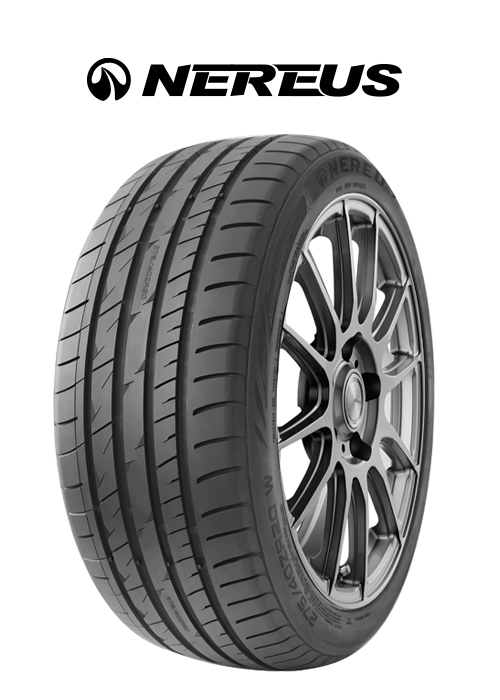
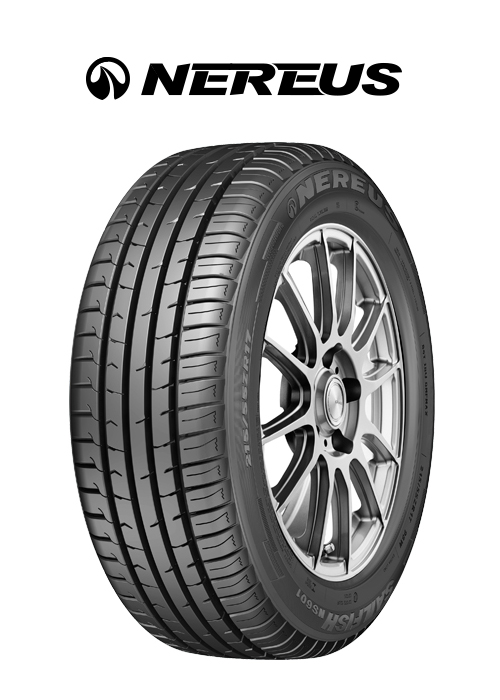
Our own brand, NEREUS, offers tires for a wide range of applications, with over 500 specifications.We combine cutting-edge research with rigorous testing systems to provide tires that prioritize safety.The full range of NEREUS winter tires can essentially meet the sales demand for winter tires.
FAQ
Q: Can I use all-season tires instead of dedicated winter tires?
A: All-season tires, such as the ClimaRide AS3, work in many ways. Yet, they lack full skill in any one area. Dedicated winter tires give up to 50% better hold in deep cold. Their rubber mix avoids stiffening like all-season ones do.
Q: When is the best time to switch to winter tires?
A: Follow the basic guide of 7°C and falling. When the day’s top temp stays under 7°C most times, fit your winter tires. This stops early damage to summer rubber. It also brings safety from the start.
Q: How do I know if a tire is officially rated for severe snow?
A: Check the side wall for the Three-Peak Mountain Snowflake (3PMSF) mark. This sign means the tire cleared set tests for work in bad snow setups.
Q: Do winter tires wear out faster on dry pavement?
A: Yes. The softer rubber speeds up tread loss in warmer air (over 10-15°C). Swap them out when spring hits to avoid quick use.
Q: Can I just put winter tires on the driving wheels (front or back)?
A: No. To keep safety and even balance, always use a complete set of four winter tires. Blending types can cause odd steering. It raises risks of slides in stops or turns.