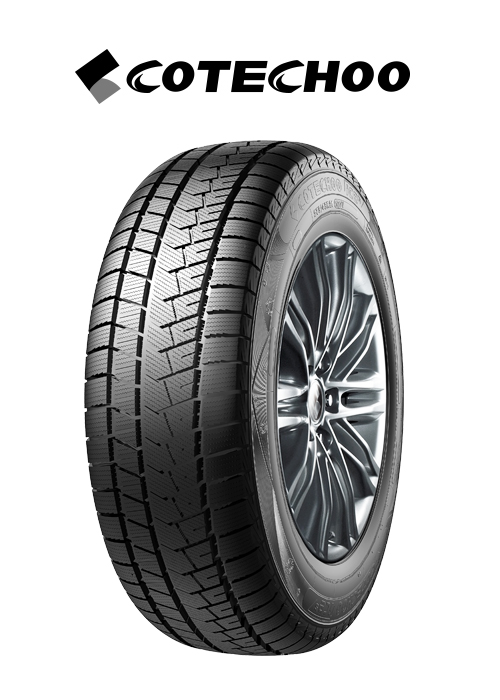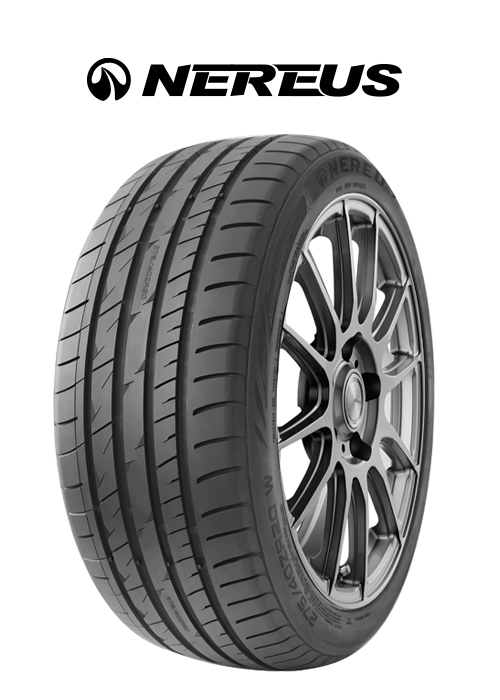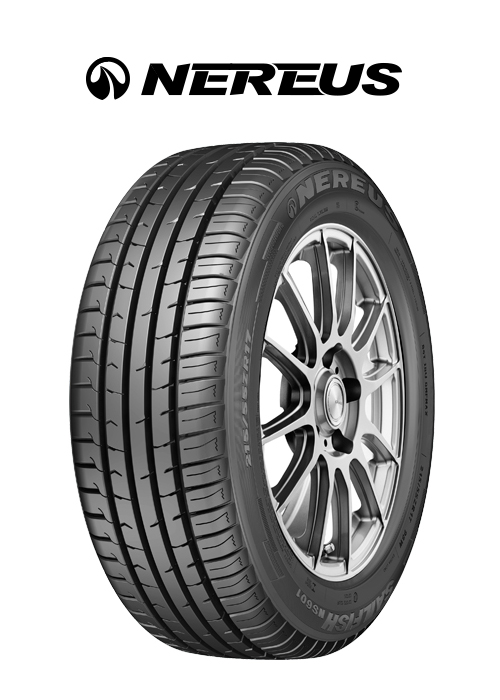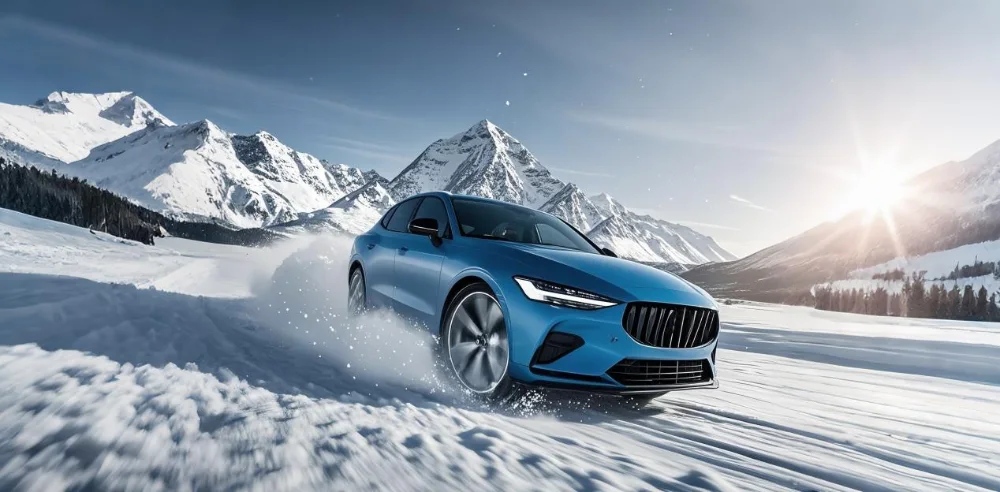
For car lovers, winter often means sacrificing thrilling handling for the “soft” feel of standard tyres. However, modern performance winter tyres prove you no longer have to choose between safety and enjoyment.
Understanding the interaction between cold weather and tires is the first step to reclaiming driving fun. By selecting the right cold weather tires, you ensure your vehicle maintains its intended performance and command, even on icy surfaces or at freezing temperatures.
Why do cold weather and tires have a complicated relationship?
The main issue with driving in winter goes beyond just snow. It centers on the chill. Regular summer tires, or even numerous all-season options, When the air gets colder, the rubber shifts physically. It becomes stiff and fragile. That is why experts point to 7°C (45°F) as the key point to switch to cold weather tires.
The Physics of the Freeze
Rubber loss of elasticity and reduced grip: Low temperatures cause the rubber in summer and all-season tires to harden and lose elasticity, making it unable to conform to the road surface’s microstructure. This reduces the effective contact area, drastically decreasing friction and worsening handling and braking performance.
Reduced contact area and poorer braking: Rubber hardening reduces the actual contact area, increasing braking distance and the risk of skidding.
Material embrittlement and increased susceptibility to damage: At extremely low temperatures, rubber becomes brittle, reducing its impact resistance. Exposure to bumps and impacts can easily cause cracks and chipping, resulting in permanent tire damage.
People in areas with changing winter conditions face a mix of dry, icy starts to the day and messy, wet middays. For them, depending on dedicated performance winter tyres become essential. It supports both reliable driving and basic safety.
What exactly makes performance winter tyres different from standard ones?
Basic winter tires, sometimes known as “Nordic” or “Studless” types, focus on heavy snow and icy patches. They prove vital during heavy storms. However, they often seem shaky or unclear during fast road travel. On the other hand, performance winter tyres target drivers who mostly tackle cleared but cold paths. These require stronger speed limits and side-to-side steadiness.
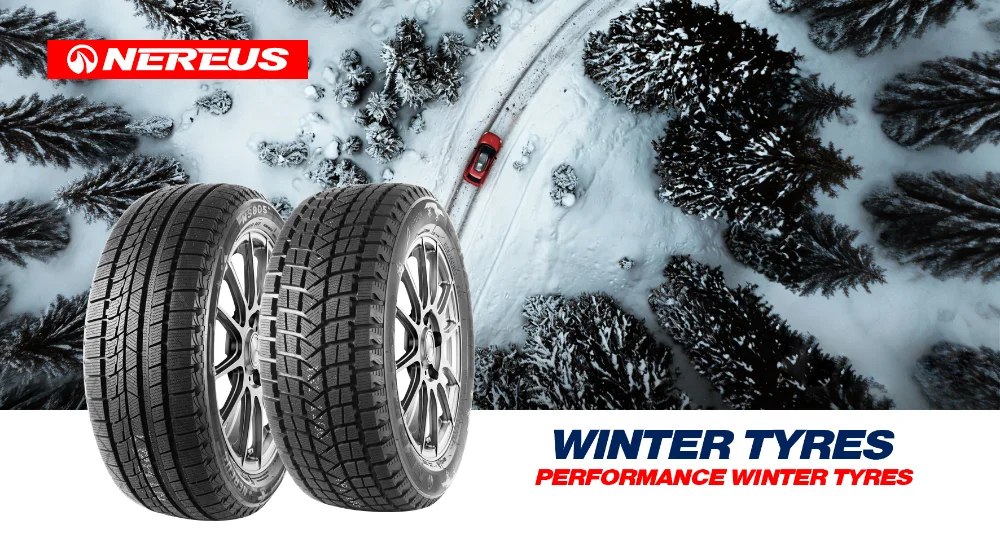
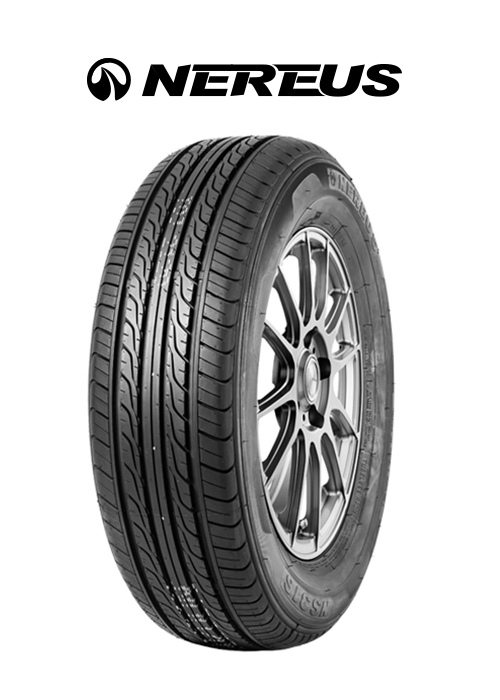
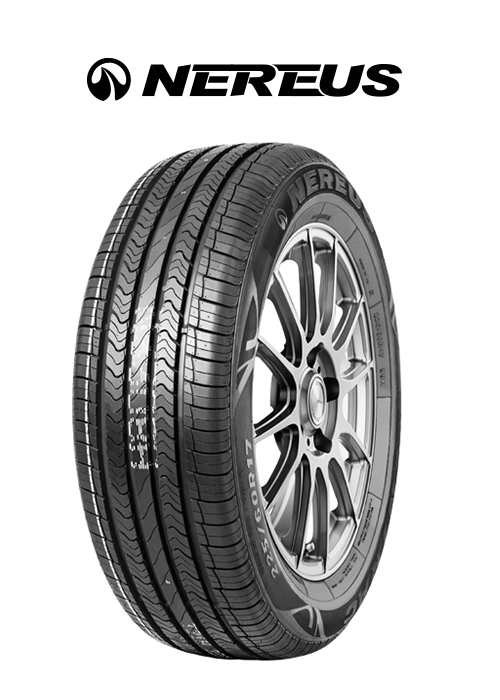
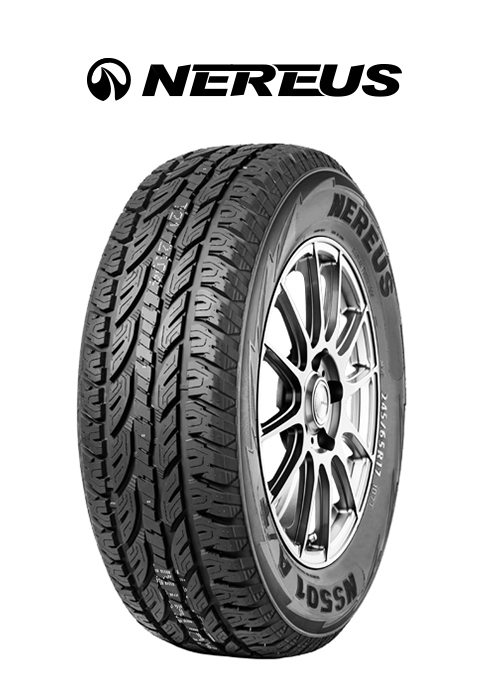
The NEREUS Brand applies cutting-edge silica-strengthened materials in their winter series. This keeps the tire flexible during icy conditions. Yet, it avoids getting overly yielding on fast, dry stretches.
How to choose performance winter tyres that fit your driving style?
Selecting the correct set demands a straightforward review of your area’s weather and your car’s features. Suppose your winter involves mostly bare but frosty roads with a bit of wet mess. In that case, a tire with a high-speed mark and a forward-facing design suits you well.
Key Factors to Consider:
- The Tread Pattern:* Directional Patterns: These excel at clearing water and slush. Thus, they cut down the danger of sliding on water during quick motorway runs.
- Asymmetric Patterns:Such designs offer a two-part advantage. The inside section aids snow pull, while the outside ensures firm turns on dry paths.
- The 3PMSF Symbol:Make sure to check for the Three-Peak Mountain Snowflake mark. It serves as the sole official proof that the tire passed tough snow tests. This goes well past the simple M+S (Mud and Snow) label on all-season types.
- Speed and Load Index:Confirm that the performance winter tyres you choose align with your car’s factory specs. For instance, high-end electric vehicles need particular load levels. These handle the sudden power and added weight from batteries.
What technical specs should you look for to ensure maximum grip?
Modern cold weather tires, such as those from NEREUS, use advanced material science to solve the grip-versus-speed challenge:
- High-Density 3D Siping: These interlocking cuts stabilize tread sections in performance winter tyres, preventing the “wobbly”feel during sharp turns or braking.
- Silica-Polymer Blends: These materials provide ice grip while maintaining the firmness needed for high-speed stability on dry roads.
- Optimized Drainage Grooves: Broad channels quickly remove slush and water, preventing hydroplaning and ensuring cold weather tires stay in contact with the road.
How do performance winter tyres impact your vehicle’s safety systems?
A lot of drivers think that All-Wheel Drive (AWD) can replace cold weather tires. Such a view carries real risks. AWD aids in moving forward, but it fails to assist with steering or halting.
Braking Synergy: Today’s Anti-lock Braking Systems (ABS) depend on the tire’s hold to work properly. If the material stiffens because of a poor match between cold weather and tires, the ABS activates too soon. As a result, the distance needed to stop grows longer.
Electronic Stability Control (ESC): ESC corrects slides by applying brakes to single wheels. Yet, if the tire lacks side hold due to hardening in the chill, the system lacks the means to steady the vehicle.
Grip Limit: Tires designed specifically for winter sports remain flexible at low temperatures, maintaining a high coefficient of friction to ensure the proper functioning of vehicle safety systems and prevent insufficient grip from affecting driving safety.
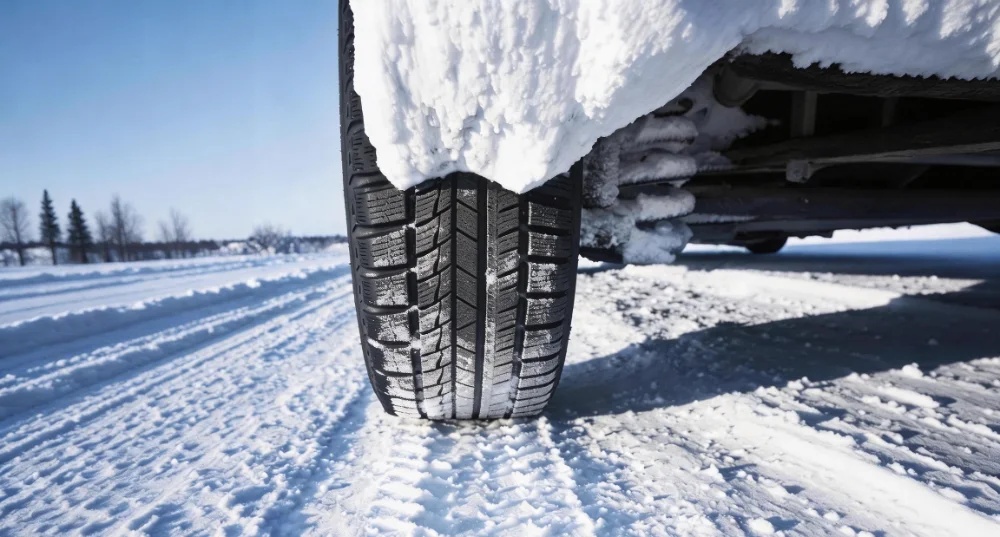
Why is proper maintenance crucial for cold weather tires?
The link between cold weather and tires calls for ongoing checks all through the season. As the air cools, pressure in the atmosphere decreases. This directly affects how the tire presses against the road.
Essential Winter Maintenance:
- Pressure Checks: Every 10°C drop reduces pressure by 1-2 PSI. Low pressure in performance winter tyres causes sluggish response, increased fuel consumption, and uneven wear.
- Tread Depth Monitoring: While the legal minimum is often 1.6mm, experts recommend replacing cold weather tires once depth falls below 4mm to ensure effective slush clearance.
- Off-Season Storage: Store your set in a cool, dark place away from motor-driven devices. Protecting your cold weather tires from ozone damage ensures they are ready for next season.
Conclusion
Switching to winter mode need not spell the loss of road enjoyment. By learning the basics of cold weather and tires, you can pick a group of performance winter tyres. These deliver an ideal mix of security and pace.
If you seek tires that follow strict global benchmarks and offer lasting strength for everyday use, the NEREUS winter collection stands out. Built for firmness and hold, these cold weather tires make certain that as the chill sets in, your assurance remains strong.
Travel safely in the cold winter – NEREUS winter tires protect you throughout your journey.
FAQ
Q: Can I use performance winter tyres all year round?
A: Experts advise against it. The unique soft materials wear out quickly on warm summer surfaces. Plus, the extra drag from rolling raises fuel costs and extends stopping times in heat.
Q: Is there a difference between “winter” and “snow” tires?
A: Experts often swap the terms, but “Winter” fits better. These tires tackle the full range of cold weather and tires problems. That includes bare frost, damp slush, and slick ice, not only piled snow.
Q: Should I downsize my wheel diameter for winter?
A: Plenty of fans opt for it. A reduced wheel size with extra sidewall height gives a minor edge in thick snow. It also shields your costly sport rims from road salt, de-icing agents, and rough winter holes.
Q: Why does my TPMS light come on every cold morning?
A: This shows clearly how cold weather and tires connect. The air within contracts with the drop in temperature, reducing pressure. Typically, as you drive and the tires heat slightly, pressure climbs back. Still, always refill to the advised “cold” level for proper safety.
Q: How long do performance winter tyres typically last?
A: Based on distance traveled and how you drive, a solid set endures 3 to 4 winters. Since they see use only half the year, they form a smart choice for long-term car care and safe operation.