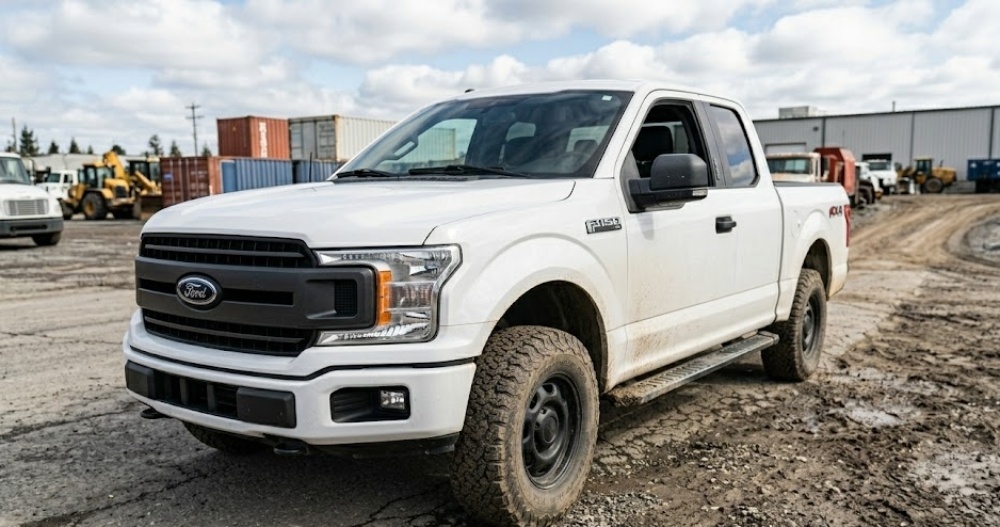
The success of a business fleet or a personal transport setup relies a lot on how the vehicle connects with the pavement. Selecting the proper Light-Duty Truck Tire goes beyond simple maintenance. It serves as a key choice that affects fuel savings, protection, and overall expenses over time. For experts handling various transportation jobs, understanding how to pair a specific task outline with detailed tire features forms the foundation of smooth operations.Consulting with a reliable car tyre supplier can help businesses navigate these technical requirements.
What is a Mission Profile and Why Does It Dictate Your Tire Choice?
A mission profile describes the exact conditions and duties a vehicle handles each day. In choosing light truck tyres, this profile looks at elements like usual cargo weight, road surface types, weather patterns, and distance traveled daily. A truck for city short-distance deliveries needs quite different abilities than one working in distant building areas.
When your tasks include frequent starts and stops on smooth roads, the main worries center on low rolling drag and good heat release. On the other hand, if your work covers rough paths or wet ground, attention turns to strong resistance to punctures and treads that clear dirt easily. Not matching the light truck tyre to these real-world settings causes early wear on the surface, more time out of service, and reduced protection.
How to Decode Light Truck Tire Ratings for Maximum Load Safety
Grasping light truck tire ratings proves vital for making sure a vehicle can carry its planned load in a safe and lawful way. These items differ from car tires. They feature stronger inner builds to manage greater inner air levels and bigger loads.
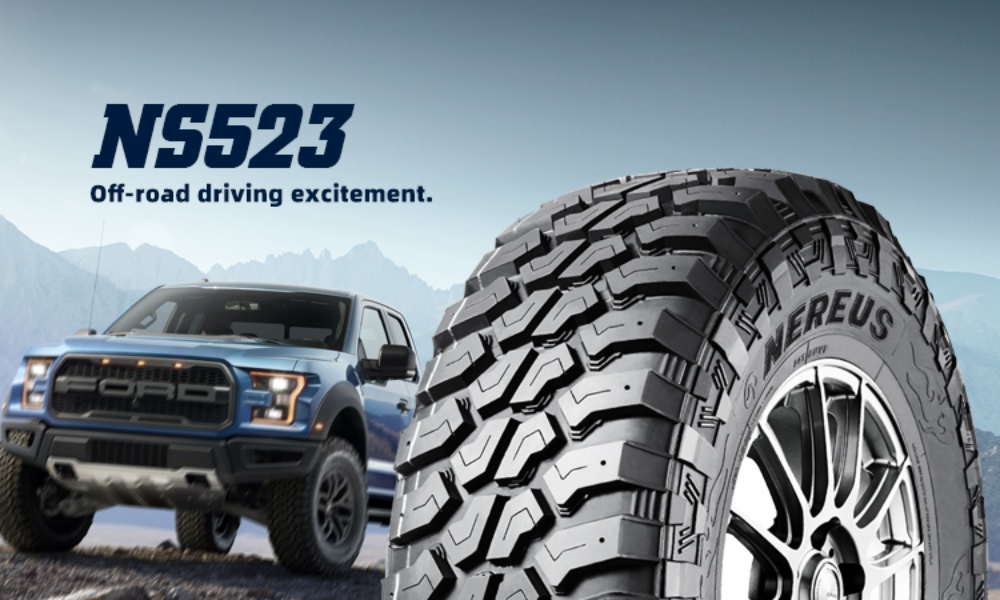
Look at the side of the tire. You will see the Load Index and Ply Rating. Such measures show the top weight a tire supports at a given air level. For example, a 10PR tire handles much higher strain than a basic 4-ply or 6-ply version. Here is a list comparing usual details in work-related light truck tires uses:
| Tire Specification | Ply Rating (PR) | Typical Max Pressure | Primary Application |
| LT215/85R16 | 10PR | 550 kPa / 80 PSI | Off-road terrain & heavy-duty transport |
| LT265/70R17 | 10PR | 550 kPa / 80 PSI | Off-road terrain& heavy-duty transport |
| 7.50R16LT | 14PR | 770 kPa / 110 PSI | Heavy Hauling & Towing |
| 195R14C | 8PR | 450 kPa / 65 PSI | Commercial Vans & Delivery&Urban Logistics Vans |
What Tire Patterns Best Suit Your Road Conditions?
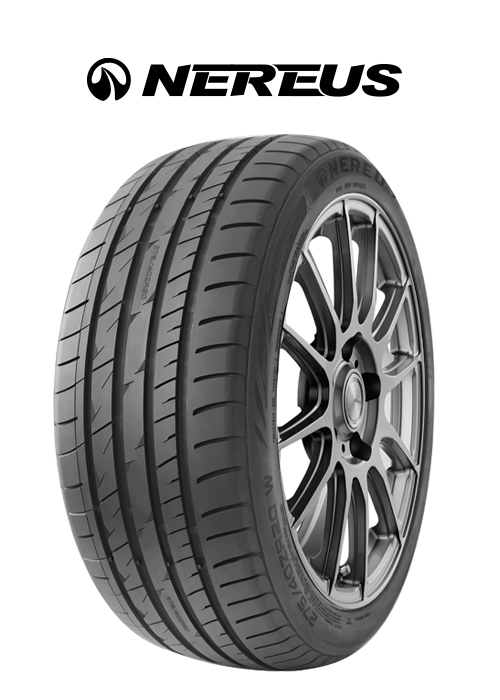
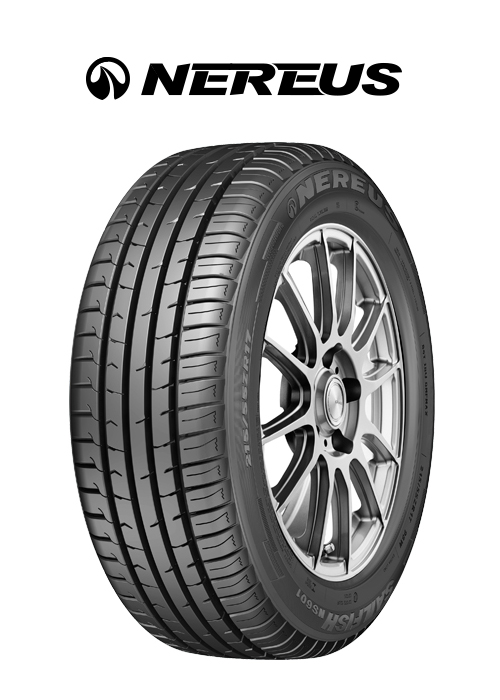
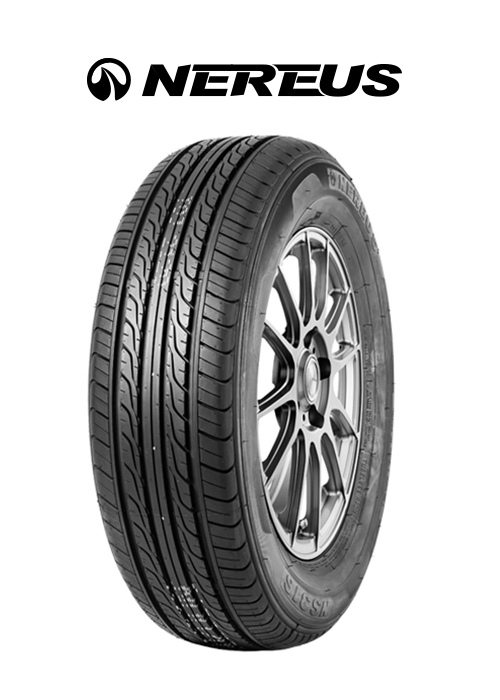
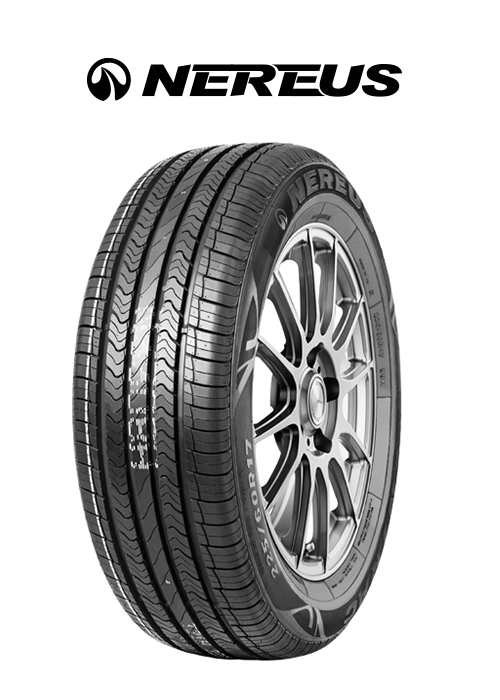
The tread design stands out as the clearest sign of a tire’s planned purpose. For long-distance road travel, a layout with steady straight grooves works best. This setup cuts down on sound and boosts fuel use by cutting drag during rolls. Our NEREUS line provides designs made just for steady handling and clearing water at fast speeds, for instance.
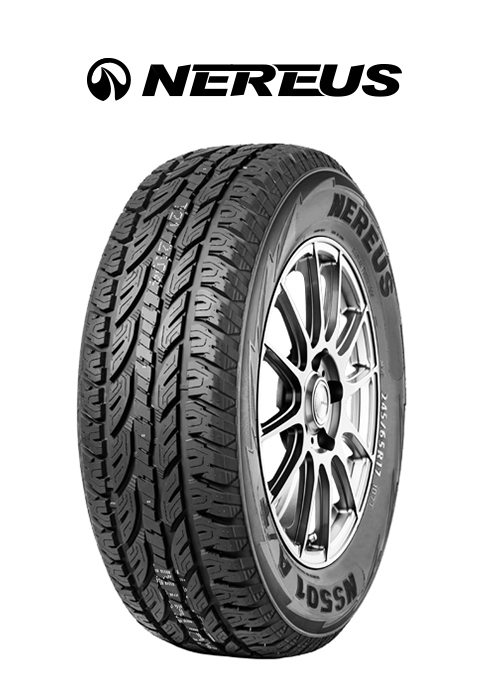
When jobs take you onto uneven ground, the tread needs a bolder shape. That means offset edge blocks and deep cuts offering sharp grips on soft areas. Picking between an All-Terrain (AT) and a Mud-Terrain (MT) option hinges on how much time you spend away from paved paths.
- Highway Terrain (HT): Built for mostly road driving, it stresses ease and long tread life.
- All-Terrain (AT): This balanced type handles half road and half dirt well, without too much road racket.
- Mud-Terrain (MT): Made mainly for off-path work, it has wide open spaces to push out mud and bits.
How Does Tire Construction Impact Long-Term Fuel Efficiency and ESG Goals?
In today’s world market, rules on environment, society, and management shape how companies pick gear up. A solid Light Duty Truck Tire aids green aims by bettering fuel savings. Tires using modern silica-based mixes create less inner rub. That leads to fewer harmful gas releases per distance traveled.
Also, lasting strength plays a big role in green practices. A tire that holds up 20% more thanks to better resistance to heat wear cuts down on swap-outs. This lowers the full eco impact of the vehicle group. Choosing tires with fine-tuned light truck tire ratings keeps the base structure sound for extended times. It holds even during tough work routines.
Why Technical Certifications Matter for Your Business
Worldwide business demands follow tough rules on safety and quality. When getting a light truck tyre, check marks like DOT (USA), ECE (Europe), and REACH. These marks go beyond laws. They show the hard tests the item passed on fast-speed strength, even balance, and grip in wet spots.
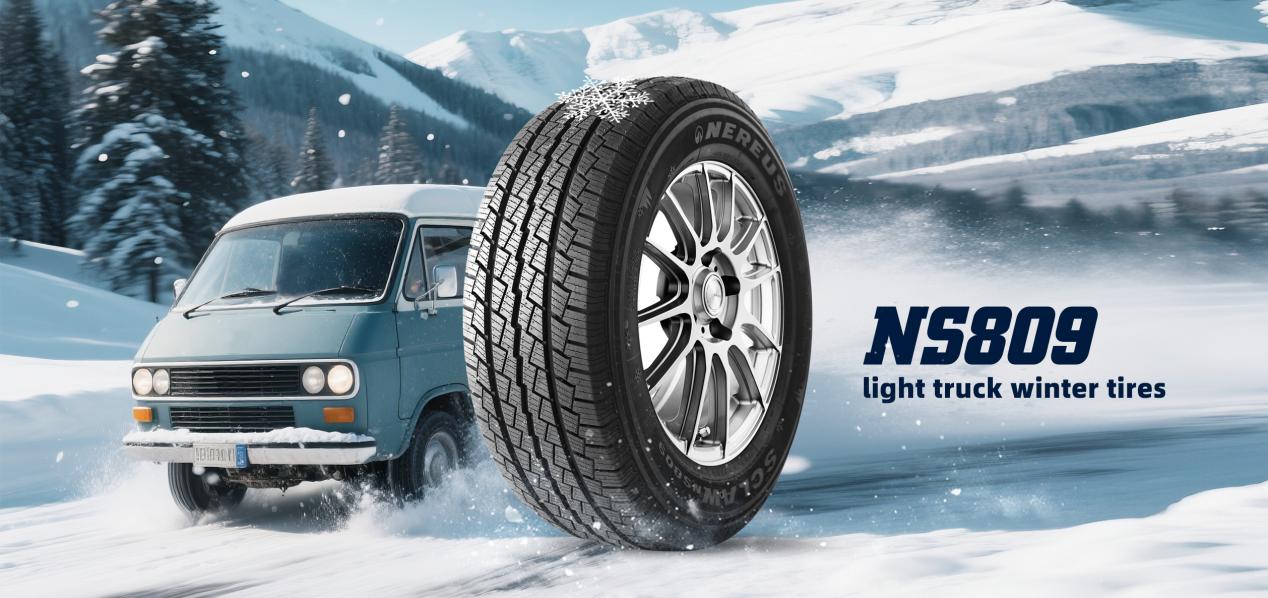
We have noted the effects of focused building in actual uses. For example, we created a set of van tires with extra strength for the very bumpy roads our customers face in Haiti. This meant changing the inner build to take big hits that often break sidewalls in regular items. In the same way, for partners in Nordic areas, we made special light truck winter tires with winter mixes that stay bendy in very cold air.
Conclusion
Choosing the best light-duty truck tire calls for a full view of your vehicle’s task outline, the key light truck tire ratings, and the weather in your work zone. Fleet leaders can find a mix of protection, strength, and money savings by focusing on tech details instead of broad sales talk. A fitting tire acts as a smart investment that brings gains through less fuel use and shorter stop times.
FAQ
Q: How do I find the correct light truck tire ratings for my vehicle?
A: Check the tire info sticker on your vehicle. It sits on the driver’s door frame most of the time. You can also look in the owner’s guide. These spots list the needed Load Index and speed level for your Light Duty Truck Tire. Picking one with less capacity than suggested risks a major breakdown when loaded up.、
Q: Why should I choose an LT-metric light truck tyre over a P-metric tire?
A: LT-metric light truck tyres come with extra steel layers and sturdier sides than P-metric ones for cars. This setup lets the tire manage higher air needs for heavy cargo and pulling trailers. Such a build proves key for any work setup with NEREUS products.
Q: What is the impact of tread depth on Light Duty Truck Tire performance?
A: Tread depth matters a great deal for grip. It helps most in rainy or rough spots. Deeper levels push water away and hold onto soft earth. When the tread drops to 2/32 of an inch, replace the tire right away. This keeps up safety rules and matches light truck tire ratings.
Q: How does temperature affect the light truck tire ratings and pressure?
A: Ambient temperature directly affects the tire pressure and load rating of light truck tires.Tire pressure drops approximately 1 PSI for every 10°F decrease in temperature due to thermal expansion and contraction of air.Insufficient pressure in cold conditions reduces the tire’s load capacity, while excessive heat leads to overinflation and safety hazards.Always check tire pressure when tires are cold to maintain proper load limits and driving safety.
Q: Can I use different patterns of light truck tyres on the same axle?
A: Experts advise against mixing tread styles or makes on one axle. Different designs cause uneven pull and quick wear on parts. This might cancel the safety promises tied to your light truck tire ratings.
Reach out to our tech group now for details on improving your fleet with top NEREUS tires.