Driving in the warmer season brings a distinct group of difficulties that many basic tires cannot manage well. As heat levels climb, the road surface turns into a harsh area that might weaken the build of cheaper rubber. At the same time, quick summer showers can change clear roads into risky wet paths in moments. For operators who value security and control, switching to high performance summer tires is not merely an improvement—it becomes essential. These focused items get crafted to deliver “accurate performance.” As a result, your vehicle stays steady, whether you travel on hot surfaces or handle heavy rain. To grasp why summer performance tires in rain give such a clear edge over basic options, one must explore the methods in current tire building.
What defines High Performance Summer Tires, and how do they differ from standard sets?
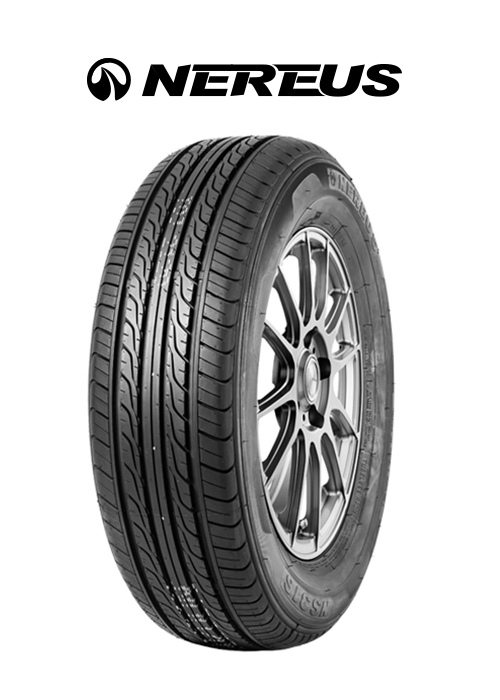
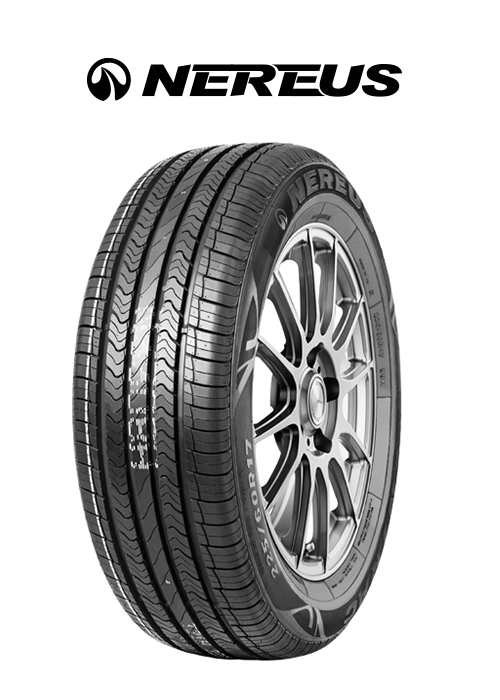
High-performance summer tires, commonly grouped as HP or UHP (Ultra High Performance), are made for the tough needs of driving in warm conditions. Unlike all-season tires, which try to cover both cold and warm requirements, these tires aim fully at boosting grip and control when temperatures increase. One key variation appears in the “high-density silicone formula” applied in the tread mix. This substance keeps the tire solid enough to hold its form under pressure. Moreover, it offers a “super grip design” that clings to the road area.
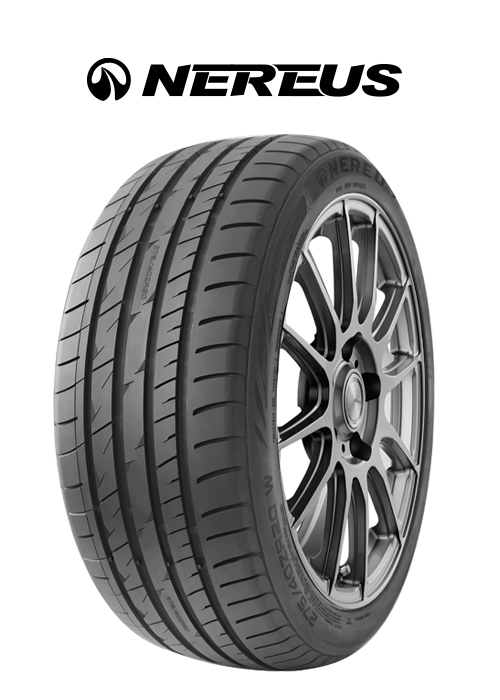
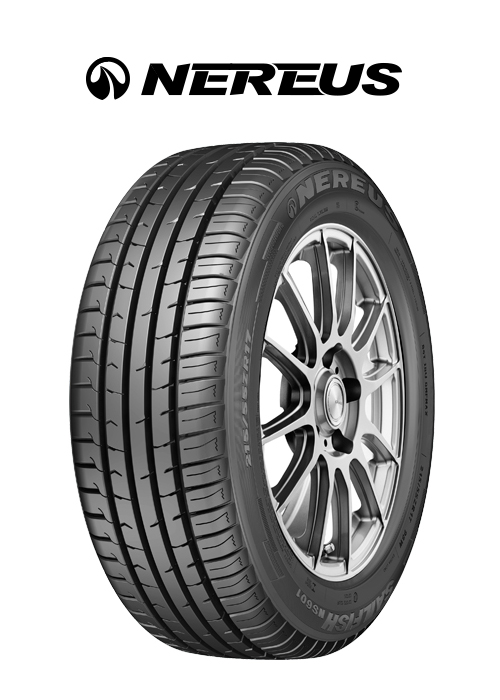
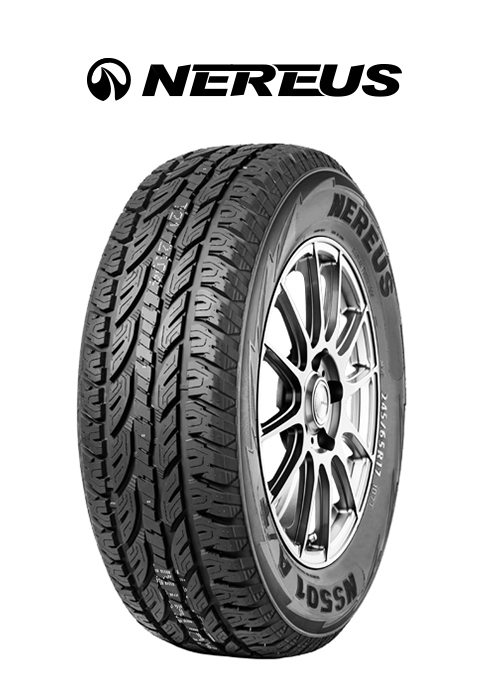
The setup of the tread serves as another main element. Basic tires rely on a simple pattern for general use. In contrast, high performance summer tires include targeted tread pieces and a “silent tread” layout. This cuts down noise from the road a great deal. At the same time, it boosts the ground-contact area. Besides, these tires suit a full-size range. That means, no matter if you operate a sporty vehicle or a luxury car, a particular size fits your machine’s load and strength.
Why do summer performance tires in rain provide superior safety?
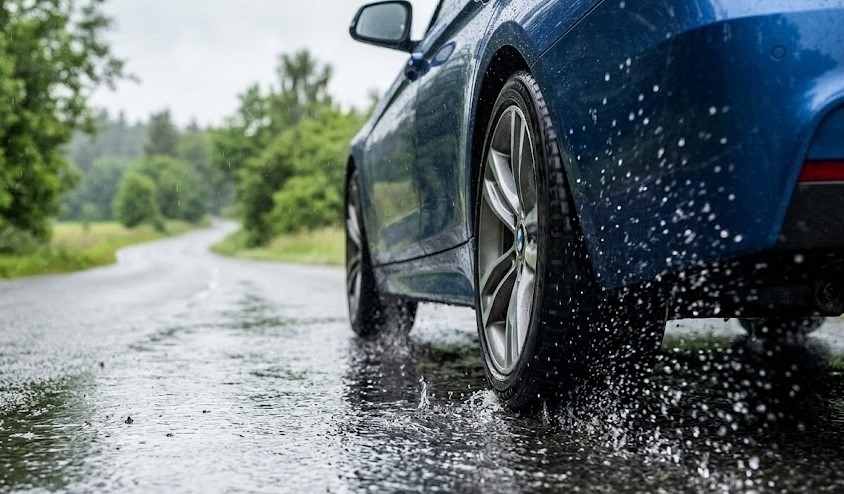
The main threat in a summer shower involves hydroplaning—a situation where water forms a layer between the tire and the road. This causes the vehicle to lose direction and stopping power. Summer performance tires in rain get built on purpose to fight this issue. They use improved water-clearing paths.
Key technical advantages include:
- Wide Circumferential Grooves: These deep channels act as primary arteries to pump water away from the contact patch.
- Optimized Shoulder Design: The enhanced tire shoulder design provides lateral stability, allowing for “excellent wet brake performance”even during sharp turns in the rain.
- Shorter Braking Distances: Technical tests consistently show that HP tires provide a “shorter brake distance”on wet surfaces compared to standard sets, which can be the difference between a safe stop and a collision.
- Contact Patch Integrity: By maintaining a flatter and more consistent footprint, the tire ensures that it “bites”through the water film to reach the asphalt below.
How do tyres in hot weather maintain structural integrity during extreme heat?
Intense heat can harm just like water. When talking about tyres in hot weather, releasing heat ranks as the most important aspect. Regular rubber mixes can turn too flexible or “spongy” when road heat goes over 40°C. This results in fast damage and weaker steering reaction.
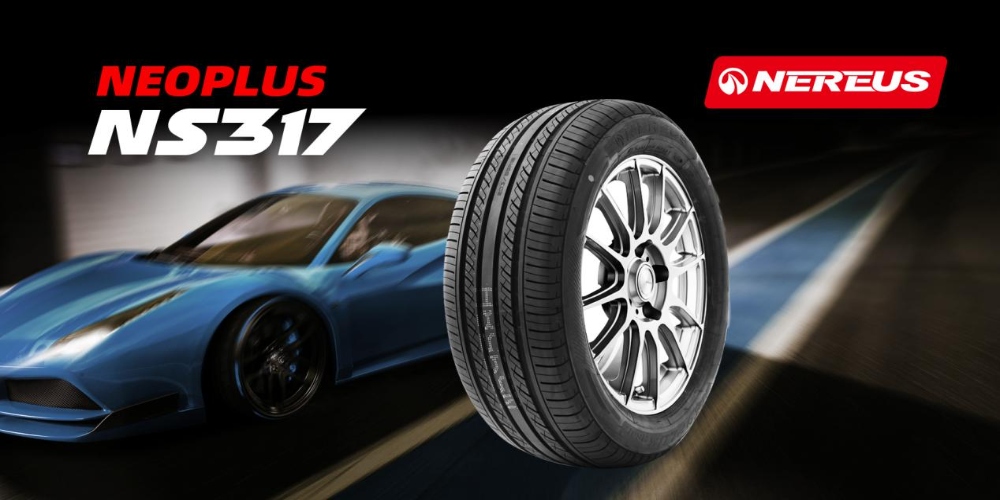
Expert summer tires come with “stronger tyre sidewalls” that stand against bending in heat pressure. This build support stops usual summer problems, such as sidewall swelling or bursts. Also, these tires undergo checks for “integrity and high speed” steadiness. Thus, they manage the inner heat from rubbing at fast road paces.
| Feature | Standard All-Season | High Performance Summer (NEREUS) |
| Compound | Medium-soft for cold/warm | High-density silicone for extreme heat |
| Wet Braking | Average score | Ranked high score / A-B Rating |
| Rolling Resistance | Moderate | Lowest rolling resistance / Fuel efficient |
| Sidewall | Standard 2-ply | Stronger tyre sidewall / Reinforced |
| UTQG Result | 300-400 | Higher UTQG (400-500+) |
What are the core technical indicators B2B buyers should look for?
For suppliers and group managers, picking the correct stock means checking set performance measures. A “better mileage with lower noise” setup draws end users in the European area. B2B purchasers ought to favor items that display strong outcomes in the “Uniform Tire Quality Grading” (UTQG) setup, especially for hold and heat resistance.
Offering a “full-size range” counts as another vital sign. Firms like Ditrip Tyre let customers put funds into private tyre moulds. This permits making exact layouts and common sizes that match local weather demands. For instance, good examples reveal that building summer tires for the damp and wet setup of the UK has brought much higher user approval and ongoing purchases. Every 20th of the month, output plans get sent to confirm that these focused orders move along smoothly. And a usual 25-day finish time applies.
Performance Comparison: Summer Performance vs. Standard All-Season Sets
When looking at these two types, the main point should rest on “accurate performance” and lasting quality.
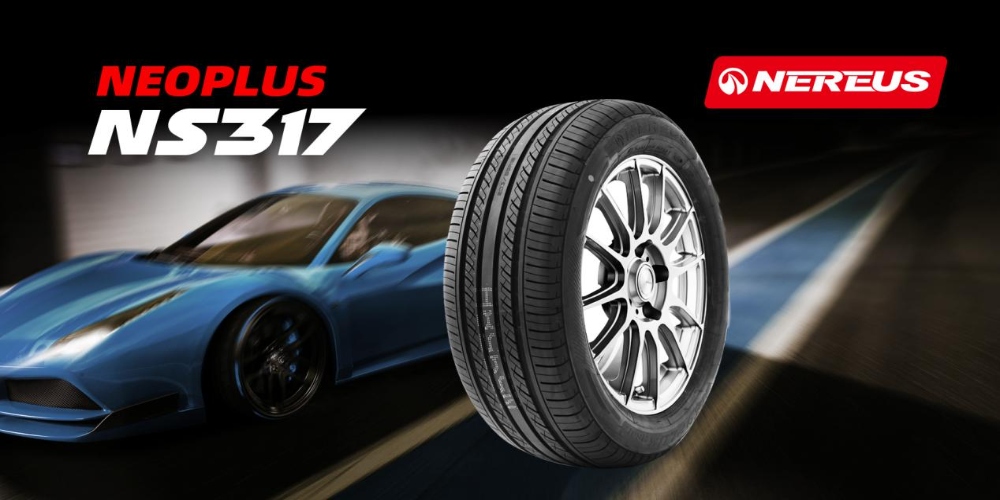
- Wet Performance: Summer performance tires in rain make use of focused cuts and channels that all-season tires do not have. Consequently, this brings much improved water-sliding control.
- Dry Handling: On warm roads, the best high performance tyressupply a firmer tread. This gives a clearer steering sense and stronger turning power.
- Longevity: Even with the strong hold, the high-density mix delivers “the excellent mileage of the tyre.”Thus, the spending holds up over several warm periods.
- Fuel Economy: Reduced rolling resistance in expert summer groups adds to “great fuel efficiency.”This serves as a main draw for current green-minded operators.
In earlier efforts, we managed to supply quality summer tires fine-tuned for the UK area. The focus lay on the common shifts between strong heat and thick showers. This custom method made sure the tyres kept the “better mileage with lower noise” that European users seek.
Conclusion
Selecting high performance summer tires guarantees security via better hold in summer performance tires in rain and stability in tyres in hot weather. With sturdier sidewalls and improved mixes, NEREUS delivers quicker stopping and clear control. Put resources into our top-rated wet stopping options for ongoing worth and dependability.
FAQ
Q: Why are high performance summer tires better than all-season tires in a rainstorm?
A: High-performance summer tires include focused rubber mixes and broader channels made just for clearing water. All-season tires need to remain flexible in cold weather. Summer tires, however, stay firm. This lets the tread pieces remain clear and direct water better. In turn, it results in “excellent wet brake performance.”
Q: Can I use tyres in hot weather during the winter months?
A: Experts do not suggest it. Tyres in hot weather use mixes that stiffen in air below 7°C (45°F). This stiffening cuts hold a lot on cool or frozen paths. To gain peak security, change to winter-focused sets when the air stays low.
Q: How does tread depth affect summer performance tires in rain?
A: Tread depth plays a key role in “aquaplaning behavior.” Greater depth permits more water to shift away from the tire’s ground area. As the tire gets used, its skill to manage summer performance tires in rain cases drops. Therefore, steady checks become crucial for security.
Q: Do high performance summer tires wear out faster than standard tires?
A: They do offer “super grip.” Yet, current high-performance summer tires, such as the NEREUS series, apply high-density silicone mixes that bring “the excellent mileage of the tyre.” Thanks to a stronger UTQG score, these tires match in length while giving much better security and control.
Q: What is the “shorter brake distance” advantage?
A: This points to the tire’s power to halt the vehicle faster in a crisis. Since high performance summer tires keep a stronger touch with the road in both dry weather and showers, they can shorten stopping lengths by a few meters over basic tires. And this stands as a vital security element.