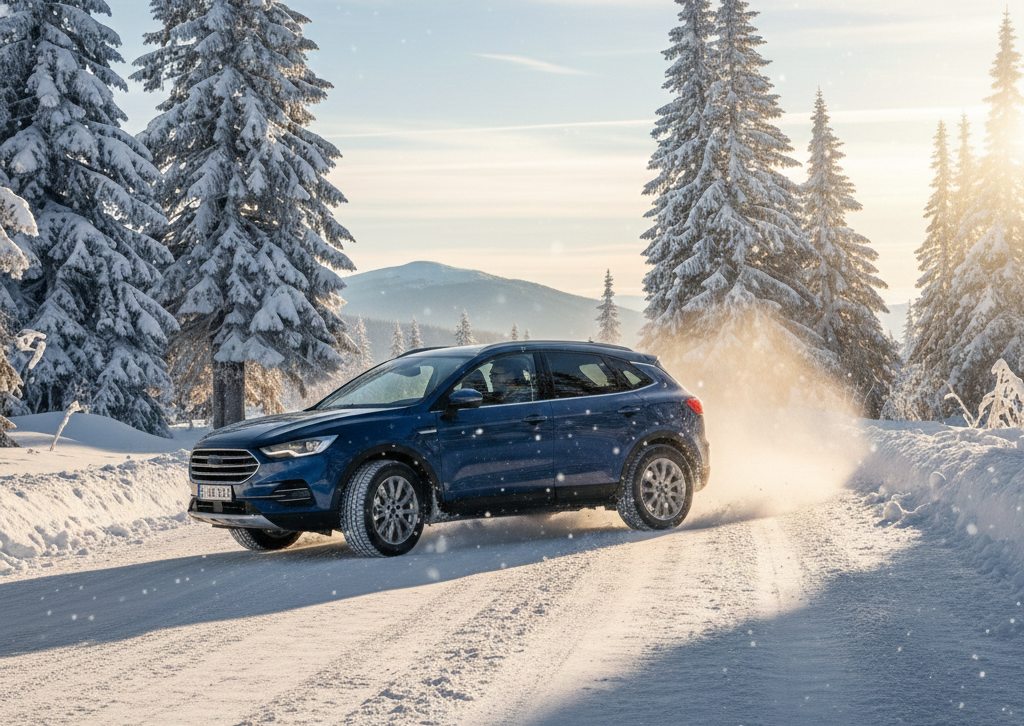
When cold weather sets in, and frost covers the car window, people behind the wheel must pick a key way to stay safe. Road conditions turn risky with snow and ice. In places hit hard by deep snow and hidden ice, the choice usually boils down to studded winter tires or studless winter tires.
Car tire manufacturers see both options as suited to different spots. One is not simply superior to the other. Instead, each gets built for certain settings. This overview looks at the main details of winter car tires. It draws from test findings and actual use to guide your pick.
What Makes Winter Tires Perform Differently?
All good winter car tires, with or without studs, have one main trait: custom rubber mixes. All-season tires get stiff in the chill.
Winter car tires, however, use mixes rich in silica. These stay pliable below 7°C (45°F). Such pliability lets the tire fit the small bumps on the road.
How Do Studded Winter Tires Work?
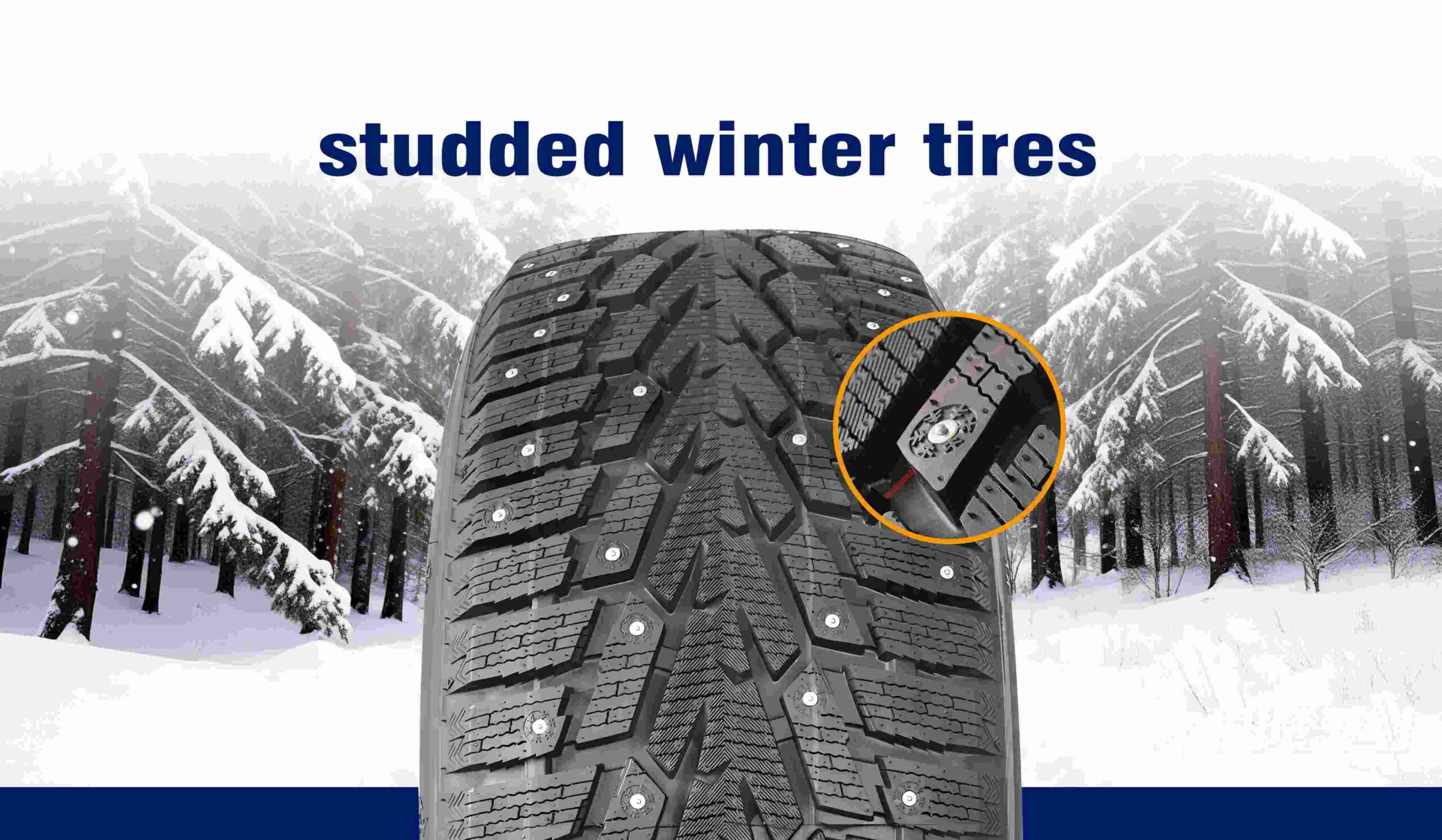
Studded winter tires have metal pins set into the tread pattern. On hard snow or slick ice, the pins work like grips. They cut into the frozen layer for a solid hold.
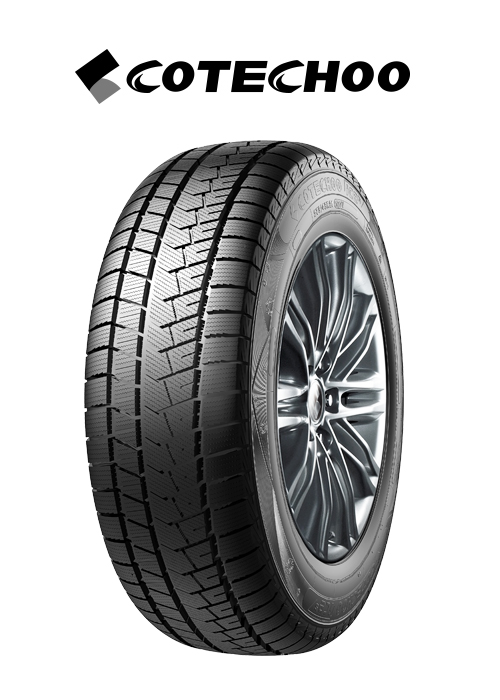
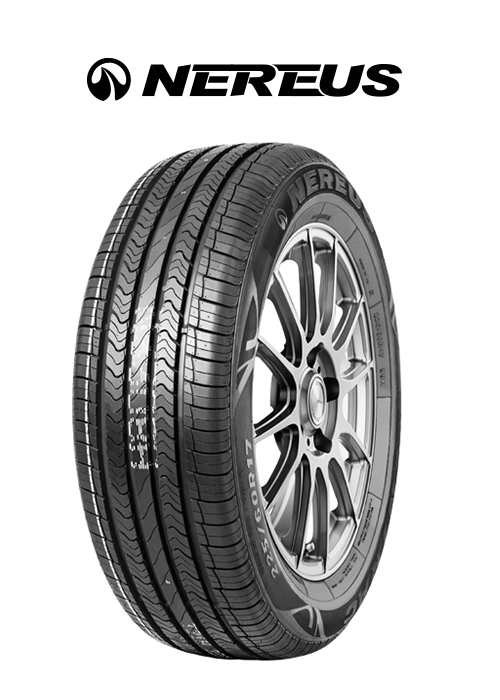
- Product Feature–MK677: This type shows the studded style well. It has pin spots placed to boost ice hold. At the same time, the tread stays strong. The 3D siping around the pins keeps blocks steady, whichaids control while pins grab the ice.
- Best For:Rough icy paths, sharp frozen slopes, and spots where hidden ice shows up often.
How Do Studless Winter Tires Provide Traction?
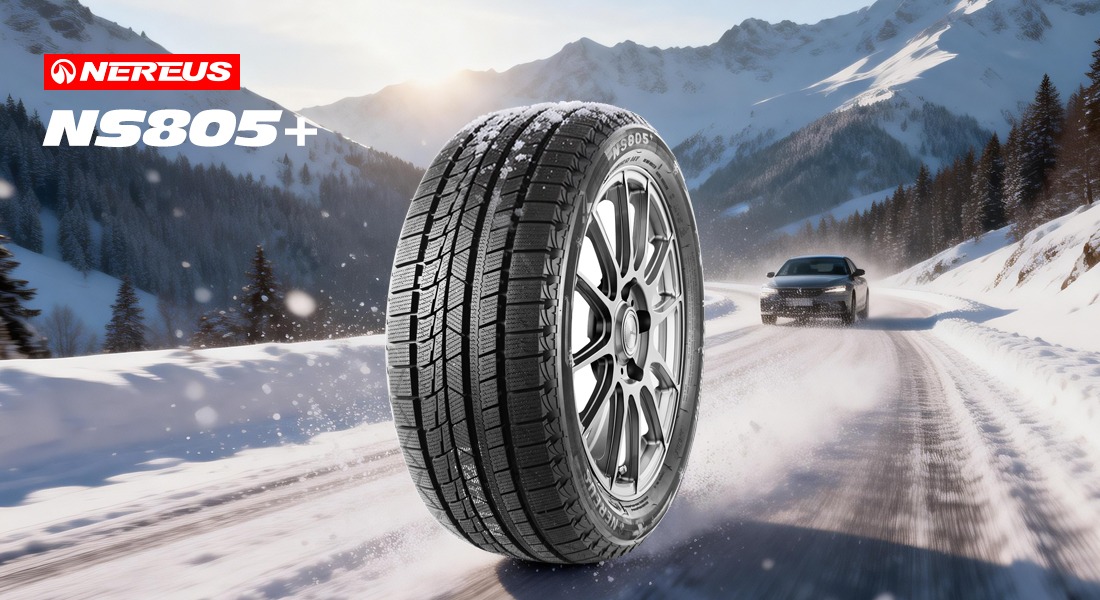
Studless winter tires count on smart tread designs and water-pulling rubber for hold. They include many small cuts called sipes. These pull off the slim water film on ice. As a result, the rubber touches the surface correctly.
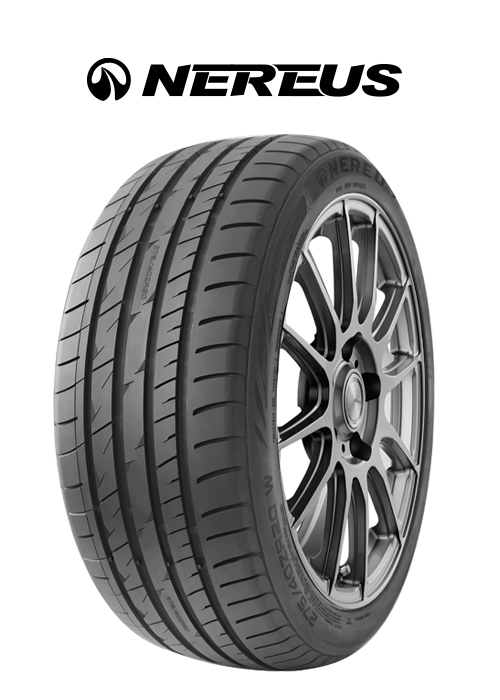
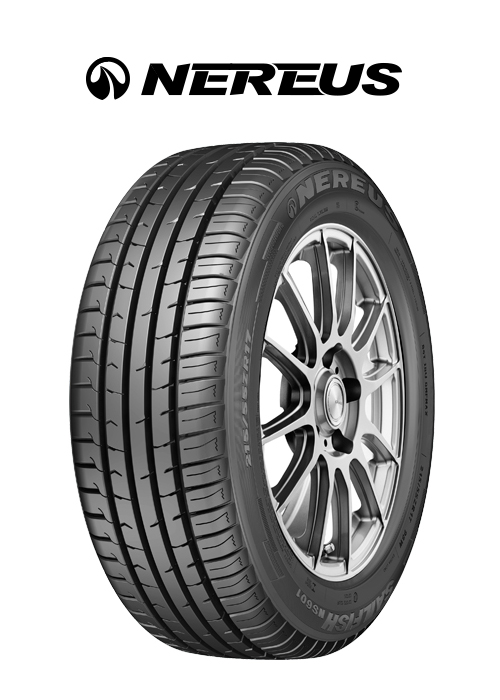
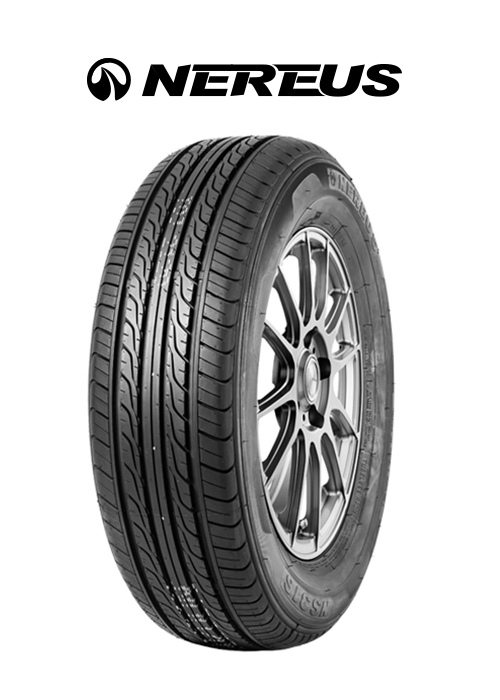
- Product Feature-NS805+: Designed specifically for winter road conditions. Advanced new silica compounds,3D kerfs and asymmetrical patterning improve the performance of winter tyres.This range has been designed to achieve maximum safety, control and performance in all winter weather conditions.
- Best For:City roads, swept freeways, and zones with rules against metal pins.
Comparison Table: Choosing Your Winter Tires
Car tire manufacturers group results by main measures to show the give-and-take:
| Feature | Studded Winter Tires (e.g., MK677) | Studless Winter Tires (e.g., NSS805+) |
| Primary Surface | Glare ice, hard-packed snow | Slush, fresh snow, wet/dry cold asphalt |
| Grip Mechanism | Metal pins + Rubber sipes | High-silica compound + Dense sipes |
| Road Noise | High (distinctive ticking sound) | Low (comparable to summer tires) |
| Road Damage | Can wear down dry pavement | Environmentally friendly for all roads |
| Legal Status | Restricted in many urban areas | Legal everywhere |
| Optimal Temp | Extreme sub-zero conditions | Varied winter temperatures (-20°C to +7°C) |
What Goes Into Winter Tire R&D?
Building a winter tire means finding balance. Makers aim for safety plus long wear. In test rooms, each design faces tough checks. These cover key areas:
- Aquaplaning Behaviour:V-form or side grooves must push water out fast.
- Tread Compound Stability:The mix holds a set firmness. This avoids too much give on dry, cold roads.
- High-Speed Integrity:Units get tested for shape and work at fast speeds on cold highways.
Each winter car tire passes a full check to meet top rules. If users share notes on how it runs, expert groups look at the facts. They check if outside factors or the use steps cause issues. This leads to steady gains in build quality.
How Should I Maintain Winter Tires?
Caring for winter car tires matters as much as picking the right type for cold months. Top-studded and studless units can fade fast or drop hold if skipped. Proper steps keep them working well and lasting longer. Below, we cover ways to handle winter tires correctly.
Tire Maintenance Tips:
- Check Tire Pressure Regularly
Tire pressure plays a big role in winter tyre work. Low levels cut hold, above all on ice. Keep the air at the maker’s set amount. - Inspect Tread Depth
Tread wears over time on winter car tires. Regular looks at depth shows when to swap them. Aim for at least 4mm to keep a strong pull on snow and ice. - Rotate Your Tires
Shifting tires evens out wear. Odd wear harms turn and hold. Car tire manufacturers suggest moving every 5,000 to 8,000 miles. Follow your car’s plan too. - Switch Back to All-Season Tires in Warmer Months
When cold ends, go back to all-season or warm tires. This stops early wear on winter units. Such tires suit chill and harm quick on dry heat.
Conclusion
Picking fitting winter car tires boosts safety for you and other road others. For harsh spots, the firm ice-cut of NEREUS MK677 gives steady power. For town cold, the smooth pull of NEREUS NS805+ fits well. The aim stays fixed: full command.
NEREUS lists over 500 types, covering cars, SUVs, or big vans. You get the hold needed to meet winter, sure.
FAQ
Q: Can I drive studded tires all year round?
A: No. Car tire manufacturers warn against it. Pins harm dry roads. Soft, cold rubber wears quickly in heat. This cuts safety and tire life a lot.
Q: Do I need four winter tires, or can I just put two on the drive wheels?
A: Fit all four the same. Blending winter car tires with all-season ones, or studs with no studs, throws off the balance. Such a mix causes wild slides or spins in stops or turns.
Q: How do I know if a tire is truly rated for severe snow?
A: Check the 3PMSF mark on the side. It means the unit passed a set test for hard snow work. This goes past the simple M+S mark for mud and snow.
Q: Are studless tires better for city driving?
A: In most cases, yes. Towns clear snow fast. This leaves wet or muddy roads. No-stud units hold better on damp pavement. They run quietly and smoothly for road trips, too.
Q: When is the best time to switch to winter tires?
A: Follow the 7 rule: Switch when days stay under 7°C (45°F). At that point, warm and all-season rubber stiffens. Grip starts to slip.