A distributor hearing “summer storms” from a sedan buyer needs a better answer than “summer tires are fine in rain.” Wet braking, resistance to standing water, tread condition, and the vehicle’s normal climate are separate questions. Explaining those differences helps a dealer recommend a relevant summer pattern without promising that any tire defeats a flooded road.
What rain changes in the tire conversation
Rain creates two distinct concerns for a driver: grip on wet pavement and the possibility of riding on a layer of water. The first is about braking and handling on a wet surface. The second becomes more pressing when water accumulates, speed rises, or tire condition is poor. A dealer should find out which concern the customer actually has before talking about a pattern.
The phrase wet performance tire can sound like a single rating, but it covers several situations. A wet-grip label is useful evidence for braking; a tread image can help explain water channels. Neither alone predicts how the tire will behave at every speed, depth of water, or stage of wear.
Summer tires are intended for warm-weather service. They should not be presented as a solution for freezing conditions, snow, or ice simply because they can be used on a rainy summer day. For a distributor, that boundary matters when a customer operates across seasons or regions.
Wet-grip grades answer one specific question
The European wet-grip grade measures a tire’s braking behavior under a standardized wet-road test. It offers a comparable reference for a listed size, but it does not measure every aspect of cornering, standing-water resistance, or the behavior of a worn tire. A dealer can use the grade precisely without turning it into a broad safety promise.
Read the proposed size, not a family headline
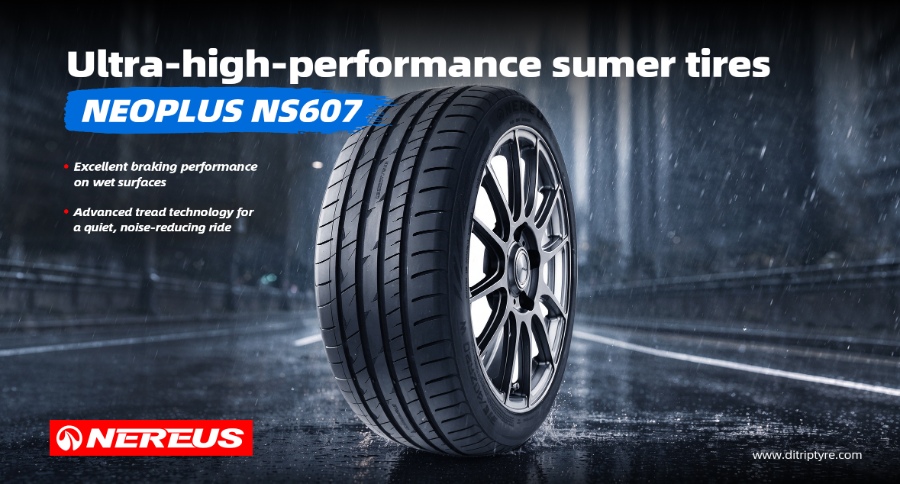
The NEREUS NEOPLUS NS607 is an ultra-high-performance summer pattern designed for premium sport sedans. Its published size data make the point concrete: 205/45ZR17 carries wet-grip class C, while 215/50ZR17 carries class B. Those are two individual listings, not a claim that all NS607 sizes share either grade.
How NS607 fits a rain-focused discussion
NS607 gives a dealer a relevant NEREUS example when the customer wants summer driving performance in a premium sedan. The pattern is asymmetric, and its product information identifies high-strength materials and structural reinforcement for handling. The exact size listing supplies a wet-grip grade; that is the stronger evidence to use when the conversation turns to wet braking.
For buyers comparing ultra high performance summer tires, present NS607 as a warm-weather sedan option and then check the vehicle specification. A model name or tread photograph cannot establish that a particular size, load index, and speed rating suit a customer’s car. That verification is part of the recommendation, not an afterthought.
A customer who asks for the best summer tires for rain may expect a ranked winner. A more useful response is to show the size-specific grade, explain what the grade measures, and ask about the driving conditions that prompted the question. This keeps the advice tied to the buyer’s actual vehicle and route.
Standing water needs a different explanation
Hydroplaning can occur when a water layer separates tire and road. Speed, water depth, tire design, tread depth, load, and inflation pressure all influence the risk. That is why a product’s wet-grip class should not be described as a guarantee against hydroplaning. Drivers also need to slow down in heavy rain and avoid treating a visibly flooded road like ordinary wet pavement.
Condition matters after the sale
Tread wear and underinflation can undermine the intended behavior of a tire on wet roads. Dealers can remind trade customers to pass along routine pressure and tread checks, using the vehicle maker’s guidance and local legal requirements. This advice is especially relevant when a buyer is comparing a new pattern with a worn tire already on the vehicle.
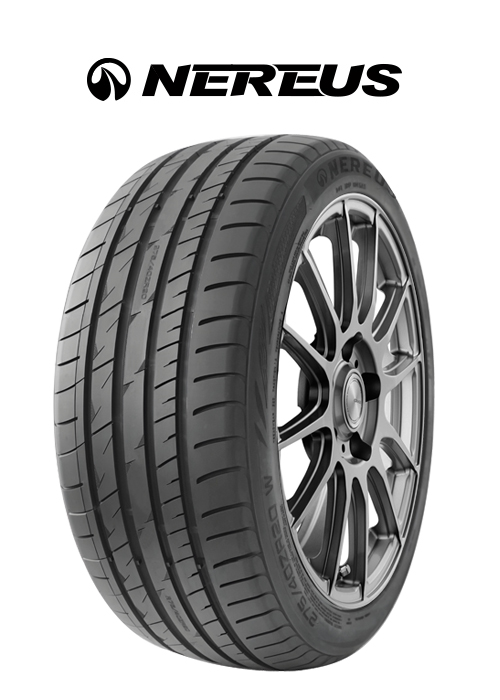
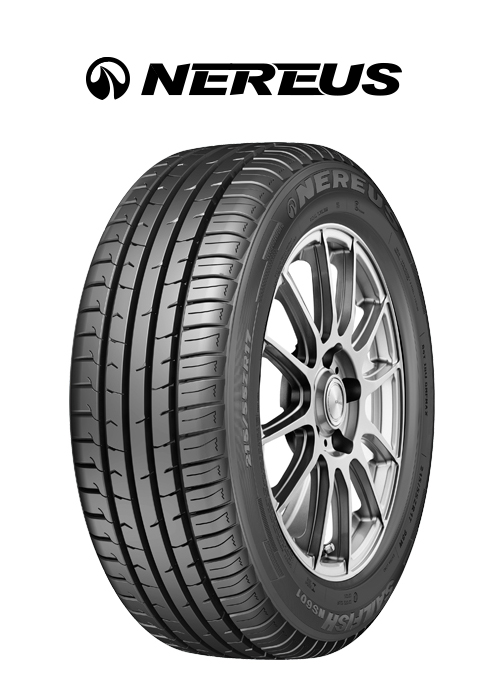
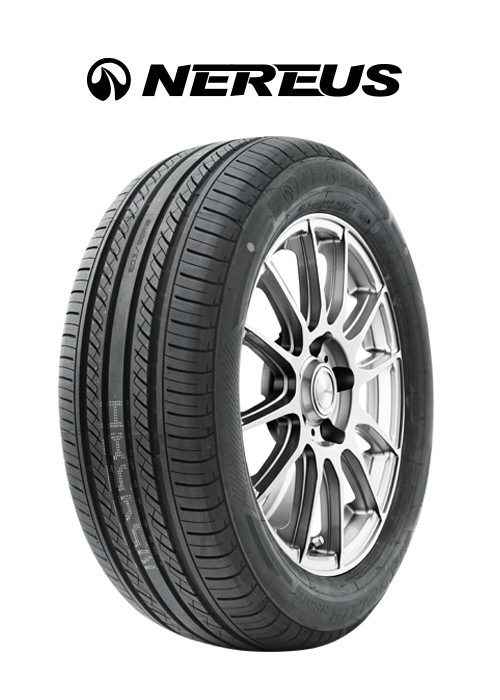
When discussing summer performance tires in rain, distinguish product design from the conditions of use. The NS607’s tread view illustrates channels, but no static image can replace a size-specific label or a check of the tire’s current condition. That distinction protects the customer from a misleading “rainproof” claim.
A simple counter conversation for dealers
A short conversation can turn a vague rain question into a useful recommendation. Ask which vehicle and approved tire size the buyer has, whether the route includes regular standing water, and whether the climate is reliably warm during the tire’s use. Then compare the exact size data instead of talking about the entire pattern family in general terms.
| Customer question | Evidence to check | What to explain |
| Will it brake well in rain? | Wet-grip grade for the exact size. | The grade concerns standardized wet braking; it is not a full road-test score. |
| Will it resist standing water? | Tread condition, inflation, route conditions | Water depth and speed still affect hydroplaning risk. |
| Is every NS607 size identical? | Size-specific product listing | Listed wet-grip grades vary; check the proposed size. |
Three checks keep the explanation tied to the actual sale:
- Confirm the vehicle-approved size, load index, and speed rating.
- Read the wet-grip class for that specific NS607 size.
- Ask about tire condition, standing water, and seasonal use.
A label narrows a comparison; it cannot guarantee behavior on a flooded route.
The dealer takeaway
Summer tires in rain can be a sensible topic for warm-weather sedan buyers, but the recommendation should rest on the exact product size and the question the buyer is trying to answer. With NS607, use the listed wet-grip class for wet-braking discussion, explain the limits of that class, and bring tread condition and standing water into the conversation separately.
If you need size information or help matching the NS607 range to your customers’ vehicles, please contact us.
FAQ
Can summer tires be used on rainy roads?
Yes, summer tires are designed for warm-weather driving, which can include wet roads. Suitability still depends on the exact tire, its condition, the vehicle, and the road situation.
Does a wet-grip class predict hydroplaning resistance?
No. The European wet-grip class concerns standardized wet braking. Water depth, speed, tread depth, and inflation also matter when standing water is present.
Do all NEOPLUS NS607 sizes have the same wet-grip grade?
No. The listed 205/45ZR17 size has class C, while 215/50ZR17 has class B. Check the grade shown for the exact size being proposed.
What should a dealer ask before recommending NS607?
Confirm the sedan’s approved size, load and speed requirements, typical climate, and the customer’s concern about wet braking or standing water.
Can NS607 replace a winter tire when rain turns to snow?
No. NS607 is a summer pattern. A customer who drives in freezing, snowy, or icy conditions needs a separate seasonal assessment.