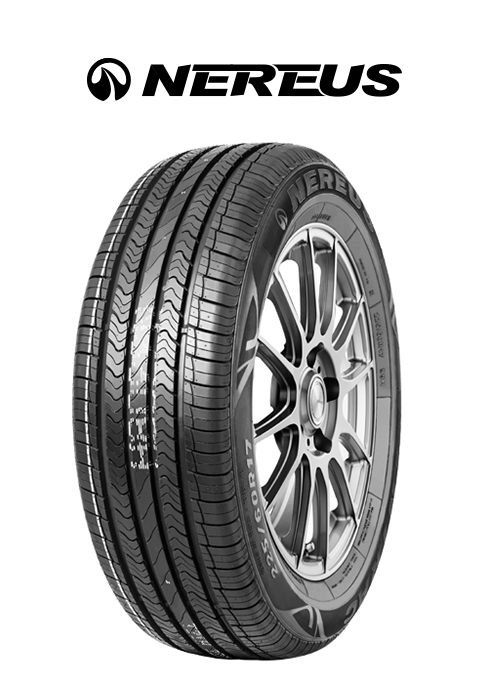
Many pickups pull a trailer on weekends. Then, they commute during the week. This is a very normal situation. It represents the typical daily-driven truck. The tire must handle both jobs well. It needs to run quietly on paved roads. At the same time, it must hold a steady line on gravel. The all-terrain tire does exactly this. Also, distributors stock this category heavily. You must get your inventory mix right. This turns basic shelf space into steady repeat orders.
Where All-Terrain Fits Between Highway and Mud
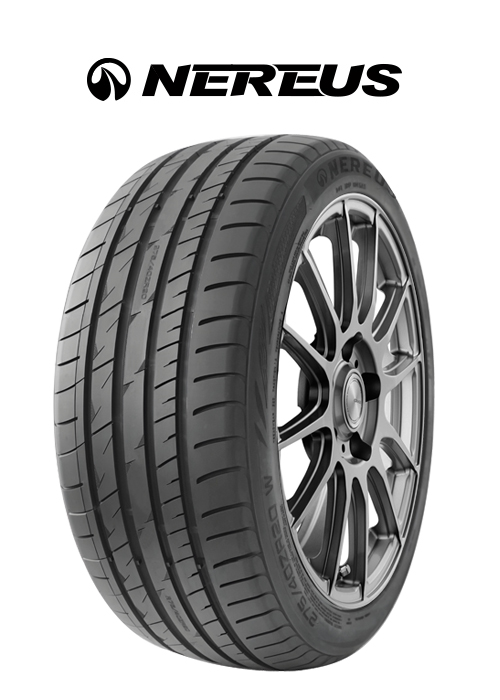
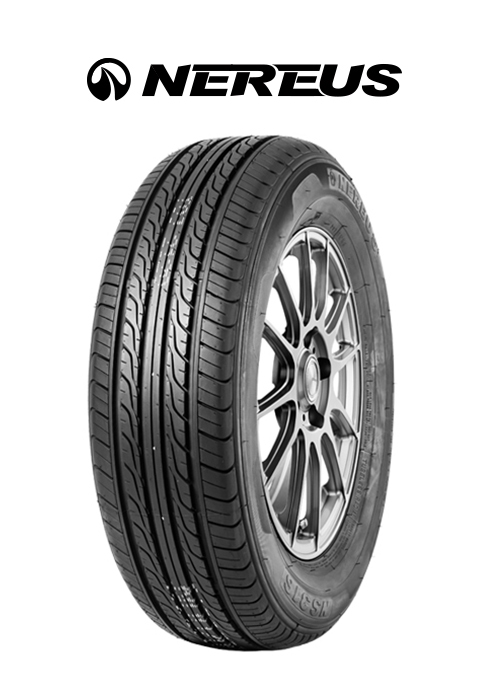
Tread design clearly shows the difference between highway, all-terrain, and mud-terrain options. A highway pattern is cut specifically for smooth roads. It runs quietly on asphalt. On the other hand, an all-terrain pattern has extra blocks. It features more aggressive shoulders. This setup helps the tire bite into loose dirt.
Mud-terrain patterns go a step further. They open the tread into large voids. These voids clean themselves. They also use softer rubber. This helps with rocks and deep mud. Yet, most light trucks do not need this extreme grip. Instead, they need a solid middle ground. The all-terrain tire fits right there.
Dealers see this trend often on their reorder lists. For example, 265 70R16 all terrain tires is a fitment that comes back constantly. It stays a core size for bigger light trucks.
This versatile middle spot is important. It explains why light truck all terrain tires get so much search traffic. Nobody wants a strict off-road tire for a daily driver. At the same time, a basic highway tire fails on rough roads. The all-terrain category meets both needs perfectly. So, one product family serves many different buyers. NEREUS built its light truck tire line around this wide appeal.
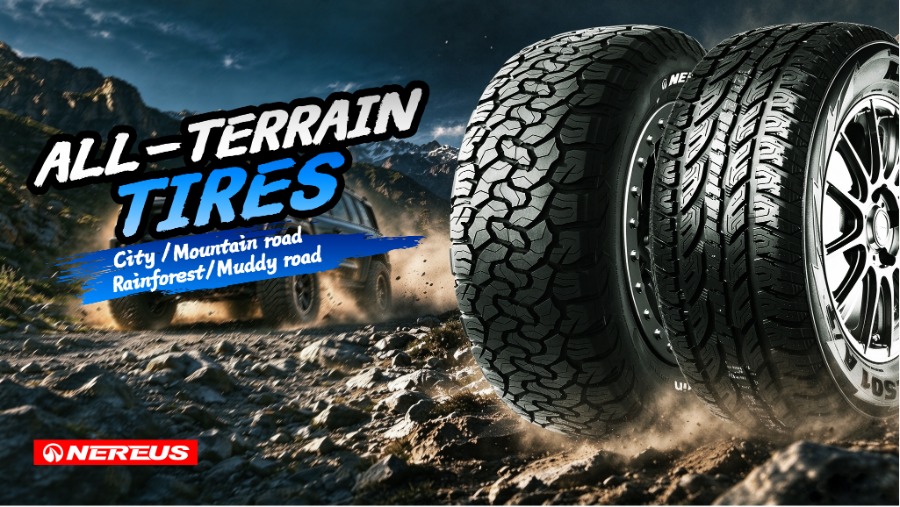
NS501 and ATRX Split Two Different Buyers
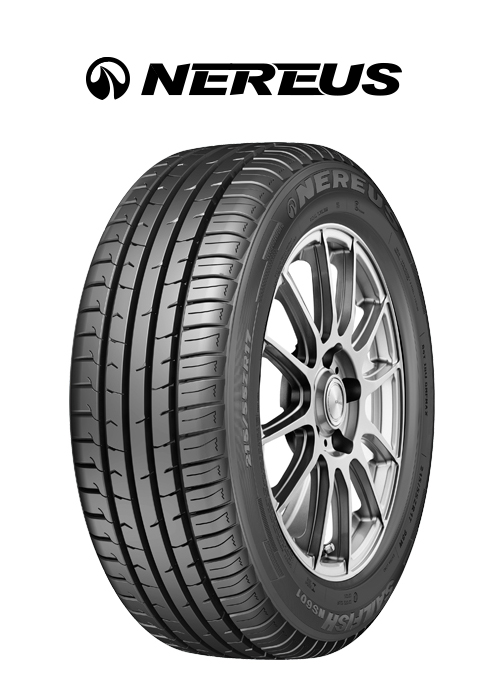
Customers in the all-terrain market split into two clear groups. The two NEREUS patterns fit perfectly on each side. NS501 It has large tread blocks and an open shoulder design. The stepped grooves also help. You should recommend this all-terrain tire when highway comfort is very important.
The heavy-duty work side looks different. Here, 245 65R17 all terrain tires is an ATRX size. Customers order it by name very often.
The ATRX goes the other way.ATRXis a great choice for trucks that stay mostly on paved roads. Its special tread-to-void ratio lowers road noise. Also, the wider tread keeps better grip on the tarmac. A reinforced shoulder gives the sidewall extra strength. These features focus on 4x4s and light trucks. These vehicles carry heavy loads. They also leave the pavement often. The ATRX focuses on a quiet highway ride. The ATRX focuses on maximum traction and long wear. It also rejects stones well on rough ground. A dealer can stock both options. This makes it easy to help both the quiet buyer and the heavy work buyer. You never need to add a second brand.
| AT pattern | Size range | UTQG rating | Buyer it serves |
| NS501 | 15″-20″ | 480/A/B | The NS501 is an ideal choice for pickup trucks that primarily travel on paved roads. |
| ATRX | 14″-20″ | 600/A/B | The ATRX offers greater versatility, making it well-suited for unpaved, mountainous, or rugged terrain.Work and 4×4 trucks dealing with loads and off-road use |
You can view this table as a helpful stocking map. It is more than just a spec sheet. The size ranges overlap naturally. So, a middle buyer can pick either pattern. Also, the UTQG numbers and load build-ups are clear. They show which tire lasts longest for a specific job. This detail helps a lot. It turns a wall of similar tires into the right answer for your customer.
A Range That Covers the Vehicles You Actually Sell
Two good tread patterns only help if the sizes match your local market. Both the ATRX and the NS501 cover common rim sizes. Most light trucks and SUVs use these sizes today. Plus, both are light truck all terrain tires. They are rated properly for heavy vehicle loads. You must close the gap between what a customer needs and what is on your shelf. This reduces missed sales. It also stops rushed reorders.
The main goal is simple. You want to carry the light truck tires that fit the vehicles in your area perfectly.
The full range goes beyond these two patterns. NEREUS offers classic and commercial van tires. It also makes dedicated winter van tires. At the same time, the all-terrain patterns fill the busy middle segment. One supplier can cover common, niche, and seasonal sizes. This lets a dealer keep less dead stock. It also helps them answer customer questions right away. This wide coverage is a great reason to buy the whole set.
Where an All-Terrain Program Actually Earns Its Margin
An all-terrain program makes real money from a smart inventory mix. It does not come from just a cheap buy-in price. The NS501 brings in the on-road truck buyer. It also builds a strong reputation for quiet rides.
Meanwhile, the ATRX attracts the 4×4 and heavy work customer. This buyer judges a tire by its load rating and tread life. You can stock both options. Then, you can offer a perfect fit for a rugged job site truck. You can also fit the family weekend truck. This is where the real sales volume hides.
However, dealers must state one important limit clearly. These specific tires have an M+S mark. They will carry a vehicle through light snow safely. But, they are not true winter tires.
A real winter pattern performs much better on heavy snow or ice. A customer commuting in harsh winter weather needs to know this. You must hold that line. Then, the all-terrain range becomes a reliable core for your stock. Proper winter tires will cover the other seasonal needs.
What a Working All-Terrain Range Looks Like
A good tire range relies on three simple checks. A dealer can make these before ordering. First, you need two matching patterns. One is for the quiet highway truck. The other is for the tough work 4×4. Second, you need the right sizes. They must match the light truck all terrain tires your local buyers actually drive.
Third, you need a clear seasonal boundary. This stops anyone from selling an all-terrain tire as a winter fix. Put these three elements in place. Then, the category is no longer a confusing wall of tires. It becomes a steady source of repeat demand.
The full NEREUS light truck line is available as one wholesale program. It includes all-terrain, highway, and winter patterns. This works well for dealers wanting easy one-stop coverage. The official NEREUS catalog shows every pattern and size in the light truck group.
FAQ
How is an all-terrain tire different from a highway and a mud-terrain tire?
An all-terrain tire has aggressive tread blocks. It also has stiffer shoulders than a normal highway tire. But it avoids a mud-terrain tire’s massive voids and soft rubber. So, it handles paved roads and rough dirt well in one package.
Can all-terrain tires be used as daily drivers?
Yes. Manufacturers build them for everyday driving. A design like the ATRX keeps road noise low. Its comfort is very close to a highway tire. At the same time, it adds needed grip for gravel and light off-road trips.
Which light truck sizes does NEREUS cover?
Both the ATRX and the NS501 cover common 14-inch to 20-inch rim sizes. This wide range hits the pickup, SUV, and light truck fitments that buyers ask for most.
Do NEREUS all-terrain tires replace winter tires?
No. They have an M+S mark. They handle light snow fine. But a dedicated winter tire works much better on heavy snow or ice. You should view the all-terrain as a solid year-round base. It is not a total winter replacement.
How should a dealer split stock between ATRX and NS501?
You should stock the NS501 for regular on-road truck buyers. Stock the ATRX for load-carrying 4×4 customers. Then, adjust the mix to fit your local market. This keeps both sides from getting over-stocked.