A dealer’s recommendation has to work through the customer’s actual driving season. A summer tire may suit a warm coastal route yet be unsuitable for a winter trip inland. Comparing all-season and summer tires means connecting climate with driving needs, then checking the exact pattern and size before making a promise.
Compound Design Defines the Seasonal Difference
Summer tires are engineered for warm roads, including dry and wet conditions. Their compounds and tread designs support grip, braking and steering response within that intended environment. High performance summer tires put particular emphasis on handling, making them relevant when customers value a precise response during warm-weather driving.
Cold weather changes how summer compounds behave. As the rubber hardens, it becomes less able to conform to the road surface, reducing grip. Temperatures around 7 degrees Celsius are a useful seasonal-change cue, but they are not a measured switching point established for every tire. The actual pattern and operating conditions still matter.
All season tires balance dry and wet capability with use across a broader range of seasonal conditions. That balance should not be translated into a promise of equal performance in every climate. Severe snow and ice require a separate assessment of winter capability, even when the tire’s name sounds suitable for the whole year.
The local driving season gives dealers a useful first filter. Consider the conditions customers actually encounter, including regular travel outside the sales area. This establishes the seasonal requirement; the next question is whether a particular tire delivers the wet-road behavior that those customers need.
Rain Performance Depends on the Exact Tire
Rain does not automatically make an all-season tire the better option. Summer tires are also designed for wet roads in warm weather. A category-wide statement such as “summer always grips better in rain” overlooks differences between individual products and the temperatures at which they operate.
The EU tire label helps narrow this comparison through fuel-efficiency, wet-grip and external rolling-noise information. Wet-grip grading concerns controlled wet braking. It does not establish snow performance or describe every wet-road response, so dealers should use it for the question it actually answers.
A useful comparison therefore needs named patterns and exact variants. Within the NEREUS car tires range,ClimaRide AS7 and NEOPLUS NS607 provide examples of different seasonal roles. Their specifications help explain why a category name and a wet-grip grade must be read together.
Driving Needs Give Each Pattern a Role
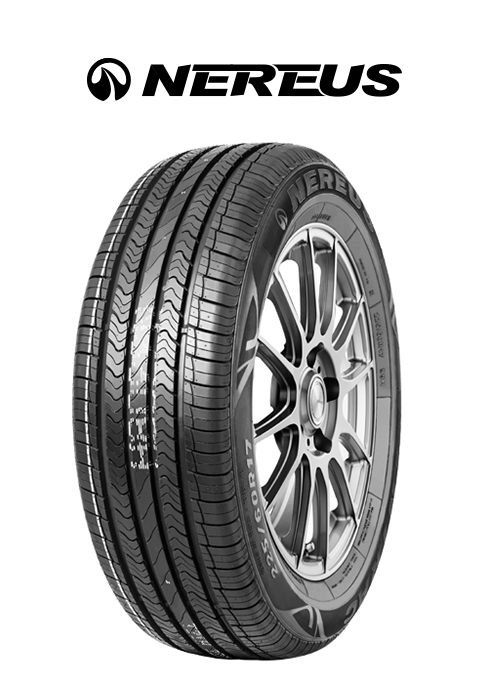
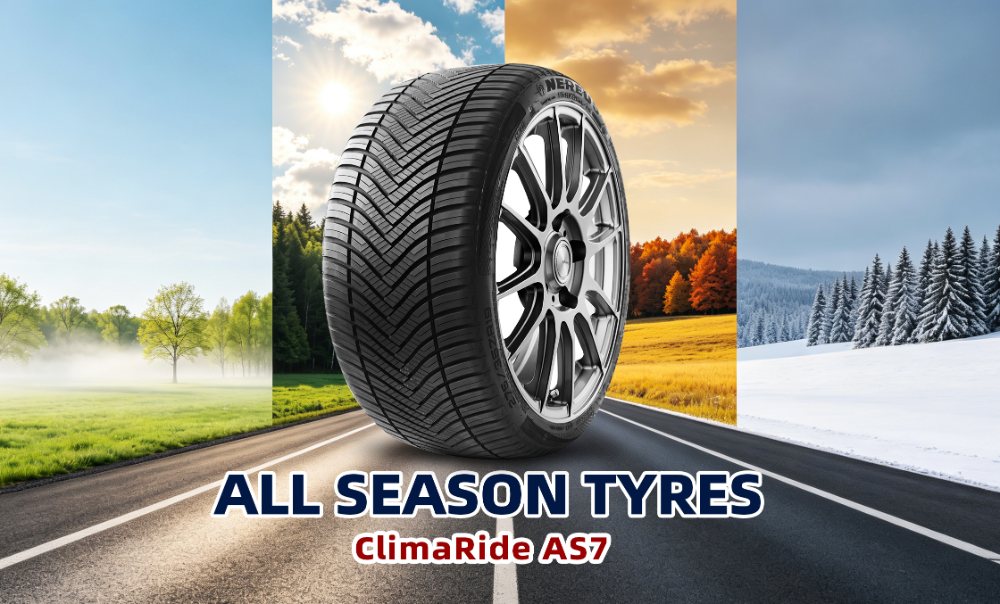
The NEOPLUS ClimaRide AS7 is an all-season pattern for compact and mid-sized cars. A tread pattern designed specifically for all-season tires.Its positioning combines handling with quietness and comfort, and the range covers rim diameters from15 to 20 inches. This makes it a relevant pattern to evaluate for everyday passenger-car requirements where broader seasonal use is part of the brief.
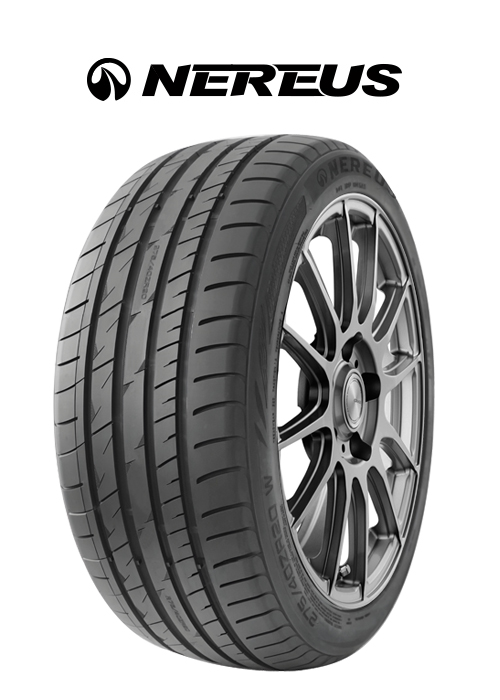
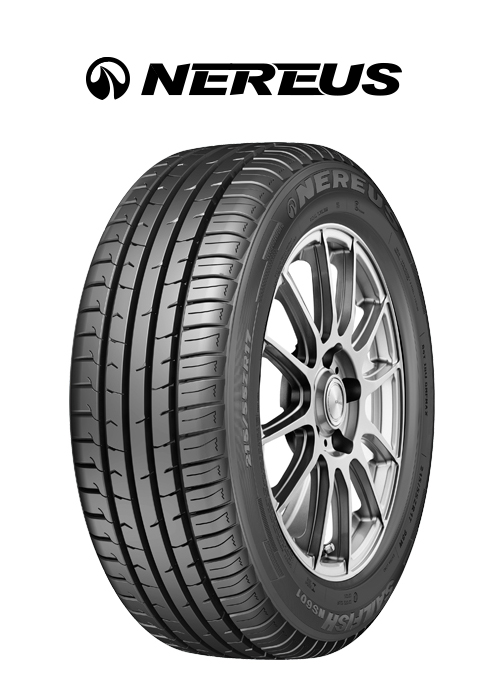
The NEOPLUS NS607 serves a different driving requirement. This asymmetric summer pattern is designed for premium sport sedans, with structural reinforcements and high-strength materials intended to sharpen handling. Its range covers 17 to 21 inch rim diameters. Dealers evaluating ultra high performance summer tires should connect that role to the customer’s warm-weather use.
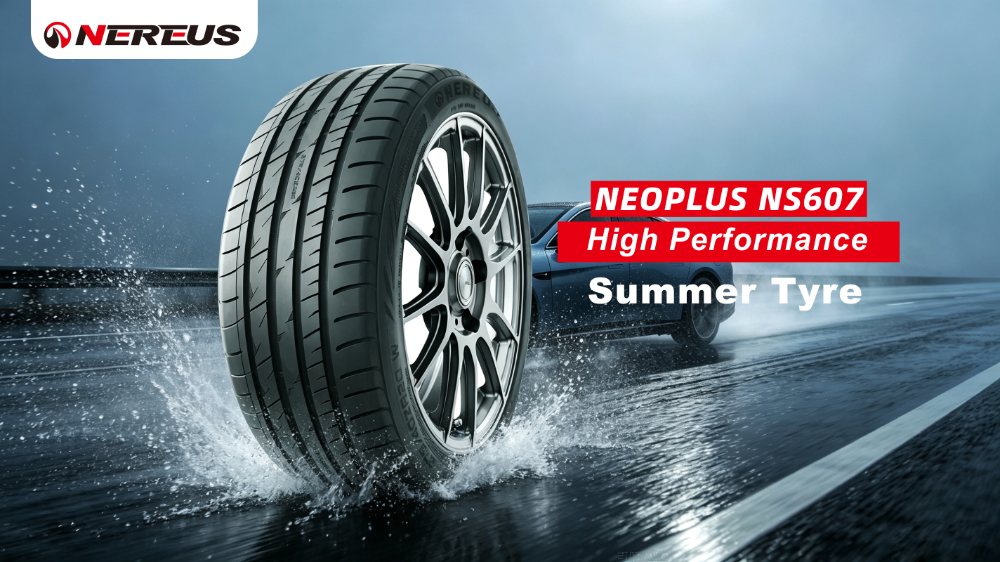
A request for 225 45r18 summer tires can lead to the NS607 in 225/45ZR18 95W XL. The full designation keeps the size request tied to a specific variant. It does not establish that the tire is approved for every vehicle using an 18-inch wheel.
Product roles help explain the choice without inventing a winner. These two patterns address different needs, and their size ranges are not identical. Where dimensions overlap, dealers still need to examine the service description before treating either tire as a replacement option.
Shared Dimensions Still Need a Specification Check
The service description adds information that a size request leaves out. For 215 55ZR16 all season tires, the ClimaRide AS7 example is 215/55ZR16 97W. Its listed fuel-efficiency class is C, wet-grip class is C and external rolling noise is 70dB. These values belong to that variant.
The 17-inch examples below illustrate the comparison where nominal dimensions overlap. They retain each tire’s own load index and speed rating, allowing dealers to see the difference without assuming interchangeability.
| Pattern and variant | Seasonal role | Efficiency / wet grip | External noise |
| ClimaRide AS7 215/55ZR17 98W | All-season | B /C | A 70dB |
| NS607 215/55ZR17 98W XL | Summer | C / B | A 67 dB |
Both variants share nominal 215/55ZR17 dimensions, but their service descriptions differ: 98W XL and 98W XL. Replacement load and speed capability must satisfy the vehicle manufacturer’s requirements. The table compares listed specifications, not results from a like-for-like road test, and it does not establish automatic substitution.
The matching C/B grades also limit what the seasonal distinction can tell us. Neither category alone settles these two label metrics. Similarly, the noise figures measure sound outside a passing vehicle; the one-decibel difference cannot be presented as a measured difference in cabin comfort.
A Seasonal Choice With a Clear Product Fit
The useful answer combines climate, driving role and the exact tire. Summer tires address warm-weather use; all-season designs offer broader seasonal versatility. Dealers can use that distinction to explain the category, then use the named pattern and full specification to support the recommendation.
A focused range review can follow the same reasoning: identify local seasonal needs, map them to relevant patterns and retain the complete size and service description. This keeps the discussion tied to customer fit instead of an unsupported category-wide performance claim.
FAQ
Are summer tires suitable for rain?
Summer tires are designed for warm wet roads as well as dry roads. Compare the exact tire’s wet-grip information and intended operating conditions. Rain alone does not determine whether summer or all-season is the appropriate category.
Can summer tires stay in use through cold weather?
Cold conditions can harden summer compounds and reduce grip. Summer tires are not snow or ice tires. Around 7 degrees Celsius is a useful planning cue, rather than a
Does all-season mean the same as a winter tire?
All-season and dedicated winter tires have different intended roles. Where snow capability matters, check the exact tire’s markings, including any verified 3PMSF qualification, and destination requirements. The all-season name alone does not establish severe-snow suitability.
Does the same nominal size make two tires interchangeable?
Nominal size is only part of the fitment check. The full specification must satisfy the vehicle manufacturer’s requirements, including load and speed capability. The 98W XL examples illustrate why the complete designation matters.
Should dealers stock both seasonal categories?
The answer depends on the customer base and its actual driving conditions. Map demand by seasonal use and vehicle requirements before choosing the range. There is no evidence here for a universal summer-to-all-season stocking ratio.