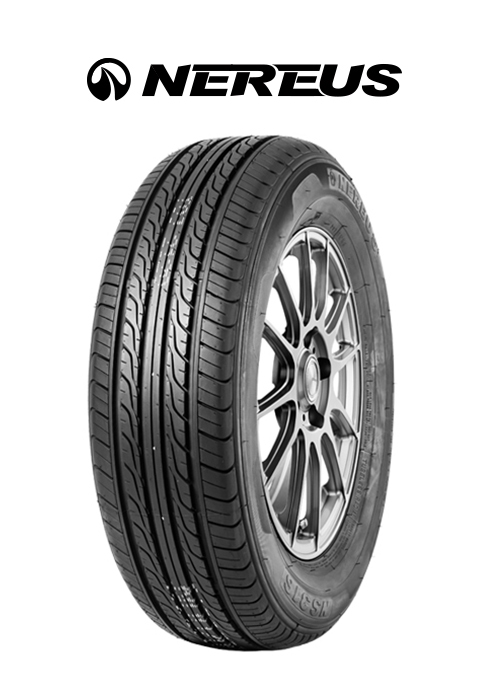
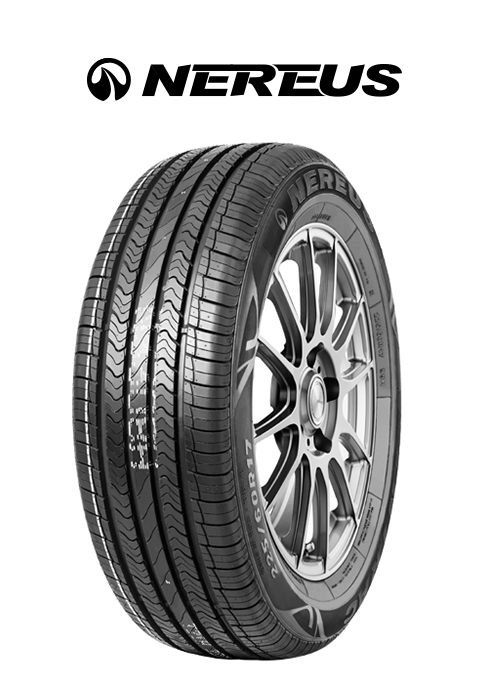
Walk a tire counter and the loud tread wins the wall. Deep lugs, big shoulders, a pattern that photographs well. Highway terrain? It hides in the back row. Then it outsells the hero, and we ship more of it than we expected.
So what is the tire, really? This piece covers what an H/T is, how it differs from the A/T and M/T you carry, and the spec numbers that decide whether a buyer reorders. No story needed? Jump to the spec table. That is the whole argument.
Built for the road first
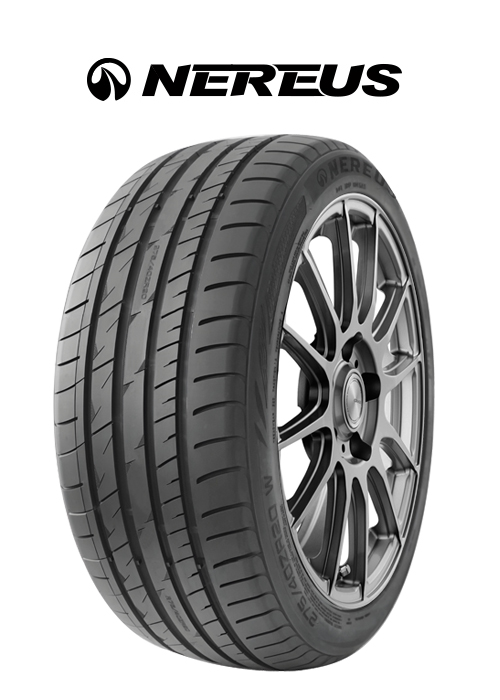
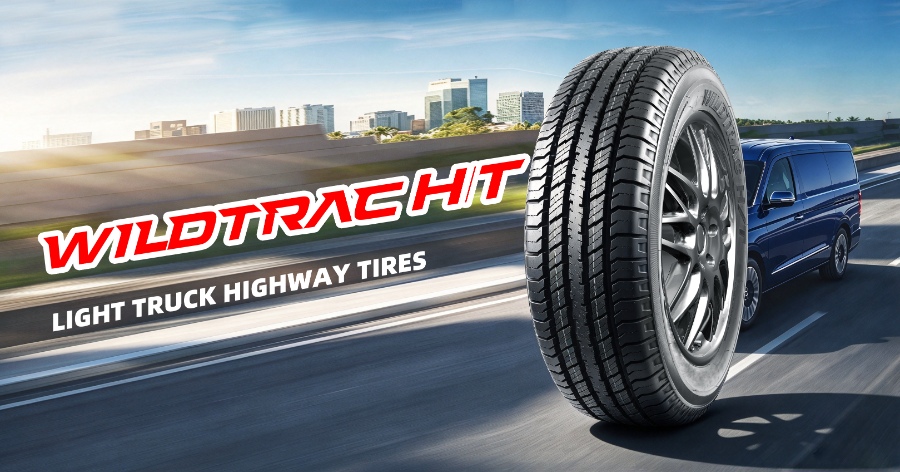
Here is the design brief, and it is almost a joke: the road. Start there. A highway terrain tire, the family you will also see written H/T or HT, is drawn backwards from an all-terrain. It wants one wide, unbroken patch of rubber on the pavement, and a shoulder that is closed off. The block pattern is tuned to cost as little rolling resistance as it can. An off-road look is not part of the brief.
For a dealer, light truck highway tires are the answer when the truck or SUV lives on the interstate, not the trail.
Nail that balance and the truck runs cooler, wears flatter. Our take is plain: on a tarmac-heavy route, the quiet tire is the one that keeps the account. That is the whole job. Delivery. Commute. The miles that never see a trail.
How H/T tread differs from all-terrain and mud
Who wants a mud pattern on a delivery route? Nobody. All-terrain and mud treads buy grip with shoulder blocks and open voids, the correct trade for the work they were made for. The H/T gives that back on purpose, because it will never meet the loose ground it was not built for. On wet asphalt at highway speed it holds one solid patch down and sheds the water quickly.
A closed-up shoulder also keeps out the scrubbing and patchy wear that open A/T blocks pick up on long straight runs. The tread wears flatter, mile for mile. In our experience, when a customer’s week is almost all tarmac, the H/T is the honest call. Not a compromise. Pick by the route, not the box.
| Tread family | Primary surface | Road noise | Off-road grip | Typical light-truck fit |
| Highway (H/T) | Pavement | Low | Basic | Daily-driven pickups, vans, SUVs |
| All-terrain (A/T) | Mixed | Moderate | Good | Weekend plus occasional trail use |
| Mud (M/T) | Loose and dirt | High | Maximum | Serious off-road use |
The numbers a buyer actually checks
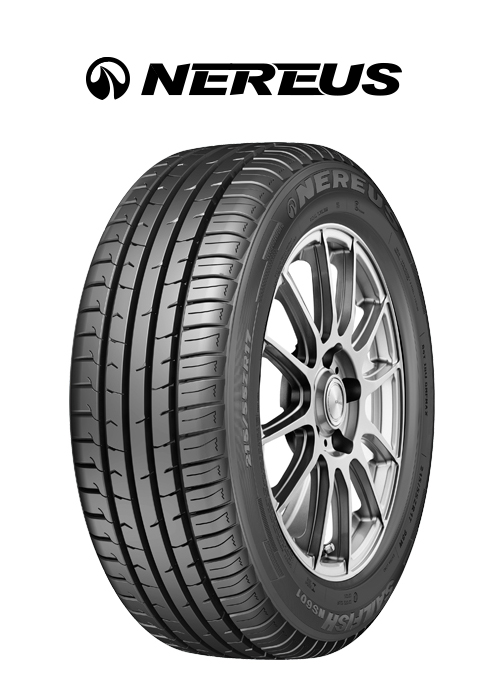
Before a buyer commits, a few spec-card figures do the arguing. Below is what the WILDTRAC H/T card shows for the P215/75R15, our most common fitment:
| Spec | WILDTRAC H/T value | What it means for the driver |
| UTQG rating | 620AB (P215/75R15) | Long-wear tread with average traction and handling |
| External rolling noise | 70 dB (P215/75R15) | Quieter cabin at speed |
| Fuel efficiency rating | C | Modest rolling resistance |
| Wet grip rating | B | Decent wet-road braking |
| Max inflation pressure | 300 kPa (P215/75R15) | Standard light-truck loading |
Two of these matter more. The 620AB is the wear line, and that 620 figure is what a high-mileage account wants before it reorders. The 70 dB is what you hear at cruise, which on a ten-hour route is the difference between a quiet cab and a tired driver.
Then the C on fuel and the B on wet grip. A loaded van will behave on wet tarmac without dragging along the fuel bill a mud pattern brings. One warning, though: ratings shift from size to size. The 31×10.50R15LT reads differently again, at 350 kPa with a D on fuel and 72 dB.
Check the spec card for your exact fitment. Do not let one number cover the rack.
Where highway terrain tires pull their weight
Between the fleet van and the commuter SUV, this is where the H/T earns its keep. Forget grip. Ten hours a day on a delivery van, and the fuel cost hits the books first. The tread life comes next. The missing grip never shows up. That is why road-biased tires keep coming back.
Give that option and the account reorders — that is the highway all season tires customer hunting for the road-biased pick inside a light-truck family.
Stocking H/T without thinning your range
The trap is filing H/T under niche. It is not niche. Road-first customers are a steady slice of light-truck demand. Leave the rack without an H/T and they walk to whoever has one. Our WILDTRAC H/T runs across a useful spread of sizes, so you can put a road-biased option on the shelf without touching your AT core.
Keep it present but proportionate: enough to catch the pavement-first buyer, and enough of your best highway truck tires SKUs to serve the vans and pickups that never leave the road.
The bottom line on highway tires
Highway terrain tires are the paved-road specialists. Quieter. Less fuel. Steadier at speed, and they give up off-road grip on purpose — the trade you want for most light-truck miles. Stock them for the vans, pickups, and SUVs that live on tarmac, then show the buyer the 70 dB, the 620AB, and the wet-grip B.
Stop hiding the H/T behind your off-road hero. Give it its own shelf, sized to the road-first demand you actually carry. The customer you have been quietly losing is on a truck or a van right now.
FAQ
Are highway terrain tires the same as all-season tires?
No. An all-season tire splits the difference between road and a light shoulder, while the H/T leans further toward the road. We stock both, and the H/T is where the road-first buyer lands. It trades some off-road and wet-weather reach for a quieter ride on pavement. Different job, different tire.
Can H/T tires handle light snow?
Not as a winter tire. We never spec it for snow. The H/T is made for dry and wet pavement, not snow or ice. In cold or snowy conditions we point buyers to a dedicated winter pattern. Do not stretch a highway tire into the snow and call it winter.
Do highway tires save fuel compared with all-terrain?
Usually, yes. A road-tuned H/T rolls with less resistance, so it helps fuel economy on long paved runs. In our accounts the gain shows up clearest on the loaded, highway-heavy routes. Treat it as a benefit, not a promise.
What size range should I stock for H/T?
Start with the light-truck and SUV sizes your customers run. Fill the gaps from your own order history, not the whole catalog. A spread of common radial sizes covers most of it; specialty sizes wait until the orders show them.
Are H/T tires suitable for vans and light trucks?
That is where H/T fits best. A van or light truck driven mostly on the road wants a stable shoulder and lower noise. It also wants a tread that wears for a loaded vehicle on regular routes. Hand that account the H/T and the complaints drop.