A desert tire earns a spot in a dealer’s inventory by solving a specific problem. It must help drivers move across loose sand safely. At the same time, it needs to handle the rest of the trip well. Middle East wholesalers and distributors should ask about the exact application the tire will serve. This approach gives your sand-focused products a real purpose. It goes far beyond just a tough off-road look.
The route defines the right desert tire
A good recommendation always starts with the customer’s actual route. Some drivers spend most of their working day on steep dunes. They have completely different needs compared to someone taking occasional weekend desert trips. The latter group might also drive long hours on standard highways. When you review tires for sand driving, you must separate these different uses. Do this before you suggest any specific product.
The dealer must connect the final tire choice directly to those daily needs. You should ask where the vehicle normally travels. Find out how often it enters soft sand areas. Also, check whether paved-road driving is part of every single trip. These simple questions keep your sales conversation practical. They stop the chat from turning into a boring list of technical details.
A sand tyre must have a clearly defined job in your product range. You should present it based on the terrain and the specific journey it supports. After that, you can confirm its overall suitability for the customer’s individual vehicle. Please avoid describing every single off-road option as equally good for deep desert use.
Flotation and control on loose sand
Flotation keeps the discussion grounded
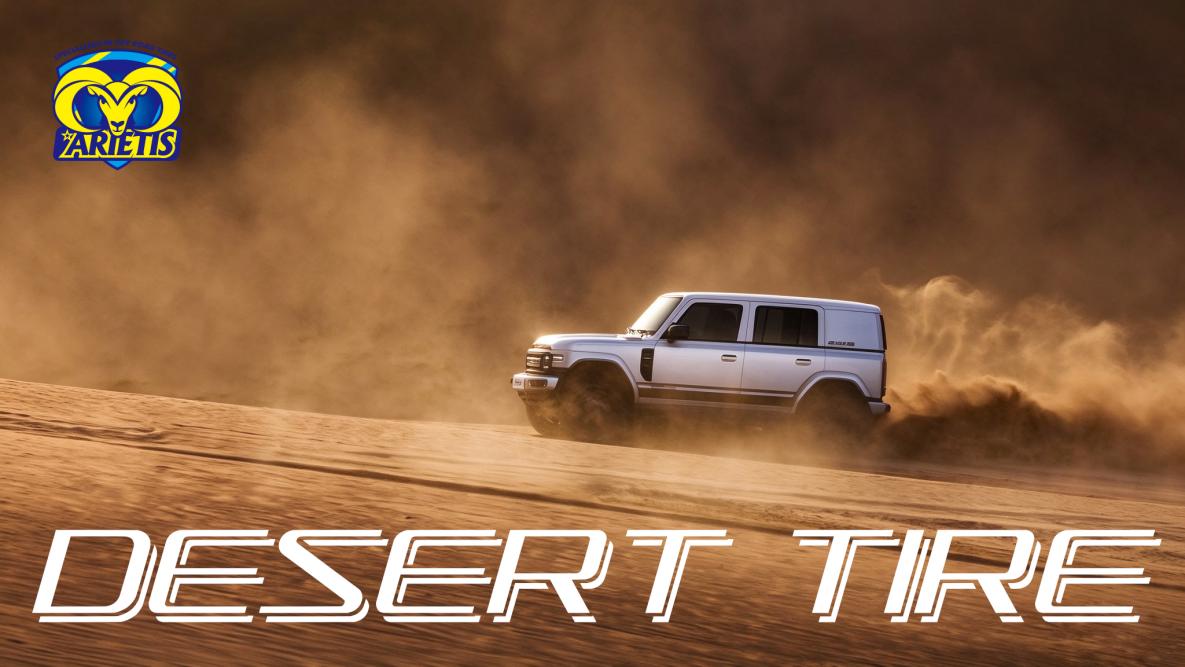
Flotation means holding the heavy vehicle up over soft ground. It stops the car from sinking deeply into the dirt. Internal tire pressure directly affects the size of the contact footprint. Because of this, you cannot judge sand suitability just by looking at a tread pattern. For dealers discussing tires for sand dunes, the main benefit to highlight is steady control. Drivers want smooth progress across a very soft and yielding surface.
You must look at the tire and its daily operating conditions together. Lowering the air pressure changes the rubber footprint. However, that does not make one single pressure setting perfect for every vehicle or trip. You should keep any air adjustments within the official vehicle and tire guidelines. Always seek advice from a qualified professional who truly understands the local application.
Handling depends on more than traction
Smooth driving inputs matter greatly. Too much wheelspin will quickly dig a heavy vehicle deeper into the sand. Steering response also changes completely on loose ground. Therefore, sudden wheel movements should never be treated as a real test of tire capability. A trustworthy sales conversation will clearly explain those natural limits. It should discuss them right alongside the intended product benefits.
A strong off-road focus gives your sales chat a very helpful product context. ARIETIS is our main brand focused entirely on off-road tires. For a truly desert-focused selection, your next step is to confirm the exact intended sand application. The broad category name alone does not prove the actual performance of an individual tire.
The road journey belongs in the same decision
The drive to and from the desert definitely deserves its own place in your selection process. Customers often ask for the best tires for sand and road. They are actually describing two very different operating environments. A smart dealer will figure out exactly how much highway use is involved. Then, they must confirm that the chosen tire is truly suitable for that paved surface.
Heat and proper inflation are highly relevant to this discussion. Sustained high temperatures can easily damage rubber tires. Furthermore, underinflation remains a major safety concern during regular road use. Normal road pressure must always follow the vehicle’s official guidance. A temporary sand-driving air adjustment should never become the default setting for the fast highway journey home.
| Customer’s route | Selection priority | Dealer’s focus |
|---|---|---|
| Frequent soft-sand use | Sand suitability and controlled progress | Confirm the intended application |
| Road travel with desert trips | Compatibility with both environments | Discuss the whole journey |
| Sand with rocky access sections | Suitability across changing surfaces | Identify every regular terrain |
These basic route profiles act as helpful discussion prompts. They are not strict performance ratings. You can use them to explain why the exact same recommendation might not suit every single customer. A short and clear route description is highly valuable. It is much more useful than a generic request for the toughest-looking off-road tires.
A focused offer for Middle East dealers
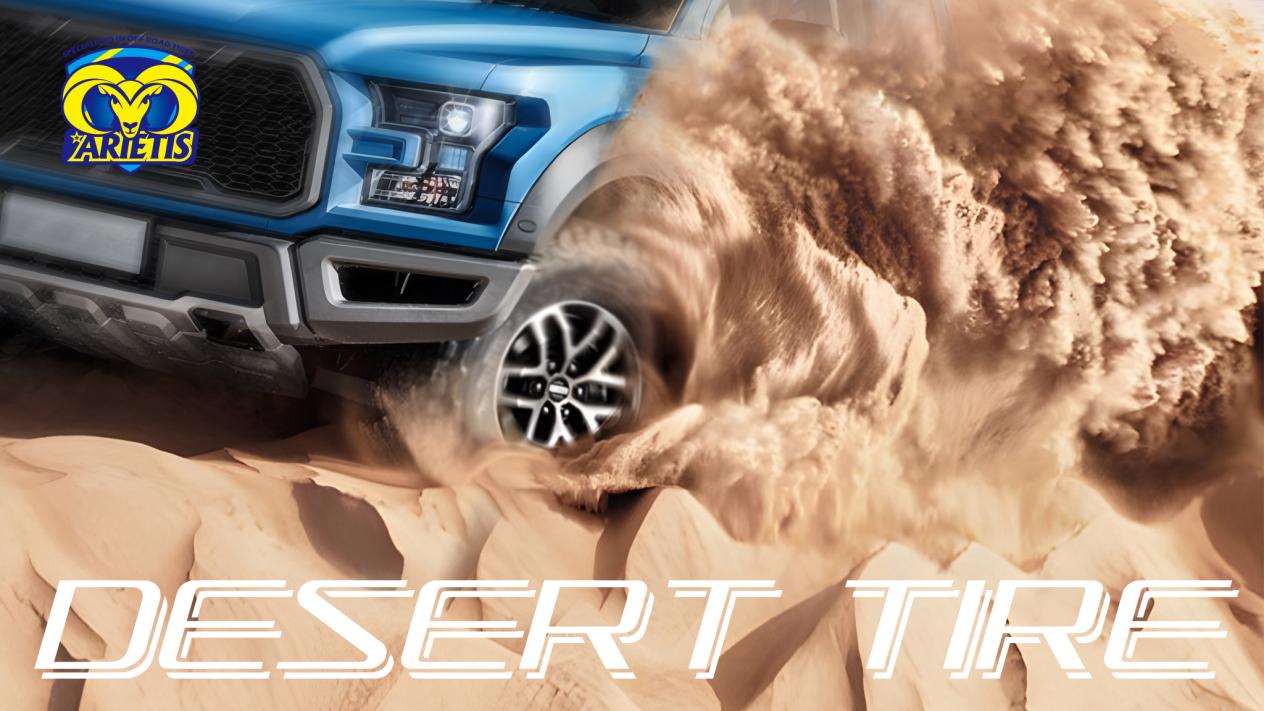
A strong desert-tire lineup gives your sales teams a very specific problem to solve. When buyers are seeking 4wd sand tyres, you should keep the chat focused. Talk about daily sand use, vehicle control, and the regular road journey. This creates a much more useful basis for product promotion. It works far better than empty promises of universal grip on every possible surface.
A brief and helpful customer conversation can easily cover three main points:
The specific ground surfaces encountered on a normal trip.
The exact frequency and total duration of actual desert use.
The required paved road travel before and after hitting the sand.
Gathering this application detail also helps greatly when you work with a car tyre supplier. Our independent research and design team carefully considers daily customer needs during new product development. Dealers might want to explore a dedicated sand-focused offer with ARIETIS . In that case, the conversation should stay closely tied to the intended end use. You must confirm product suitability long before a final recommendation reaches the buyer.
A clear application makes the offer stronger
The absolute best desert-tire recommendation connects several key factors. It links sand flotation and predictable control directly to the complete driving route. Middle East dealers can build a much clearer sand tyre offer. They do this by explaining those driving priorities and verifying the intended application. The final result should be a solid recommendation that customers easily understand. It will provide realistic expectations about exactly where and how the rubber will be used.
If you have any special requirements, please contact us. You can tell us all about your local market. Share details regarding your customers’ daily desert use. After that, we can discuss your exact inventory needs.
FAQ
What matters most when selecting desert tires?
The intended daily route is always the starting point. You must consider soft-sand use, vehicle control, and any highway travel together. Please confirm that the proposed tire perfectly suits the specific vehicle and its application. Do this before you present it as a complete desert solution.
Are all off-road tires suitable for sand?
The basic off-road label alone does not prove true sand suitability. Different driving applications place very different demands on a tire. You should always confirm the intended local terrain. Do not rely solely on an aggressive appearance or a broad category description.
Can a desert tire also be used on roads?
Road suitability must be carefully confirmed for each individual tire. You need to include the paved portion of the daily journey in your selection process. Also, follow the official vehicle guidance for proper road inflation. Never retain a low sand-driving pressure adjustment on the highway.
Does lower pressure always improve sand driving?
Lowering the air pressure can greatly enlarge the contact footprint. However, a lower setting is not always better. The most appropriate settings depend heavily on the specific vehicle, the chosen tire, and the actual use. You should seek application-specific guidance. Avoid applying one magic number to every single customer.
How should dealers explain sand traction to customers?
You should explain flotation and controlled progress in very plain language. Excessive wheelspin can quickly worsen deep sinking. Because of this, adding extra engine power is not a universal answer. Keep your sales discussion focused on suitable equipment and clear operating guidance. Always set realistic performance expectations for the buyer.