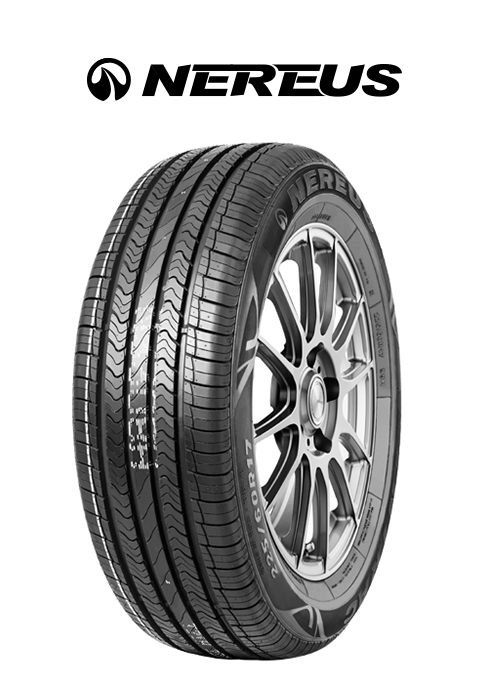
Most winter tyres used to be sold the same way: pick a size, buy a set, and hope it fits whatever rolls through the bay. That one-size approach quietly leaves money on the table. Winter tread design has moved on, and the modern range is broken out by the vehicle it serves. A dealer who can match the right winter pattern to the right vehicle answers more customers with fewer SKUs, and keeps stock from sitting un-sold all spring.
Walk the NEREUS winter tires line and the split is obvious. An SUV pattern chases grip on ice and snow, a van pattern chases drainage and load on packed snow, and an EV pattern chases quietness and range for the heavy, silent car. Three jobs, three treads, one winter season. Getting that split right is the whole game.
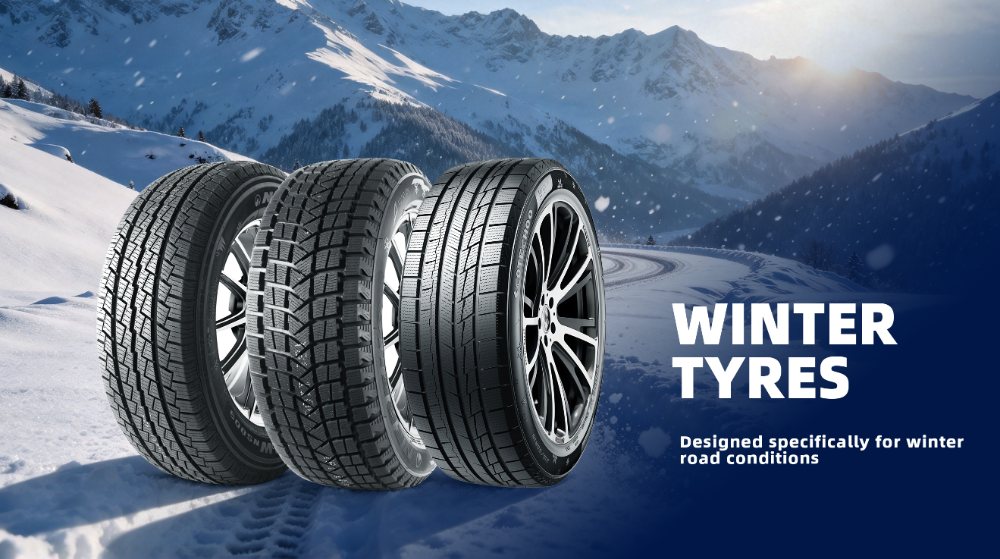
Winter Tire Technology by Vehicle Type
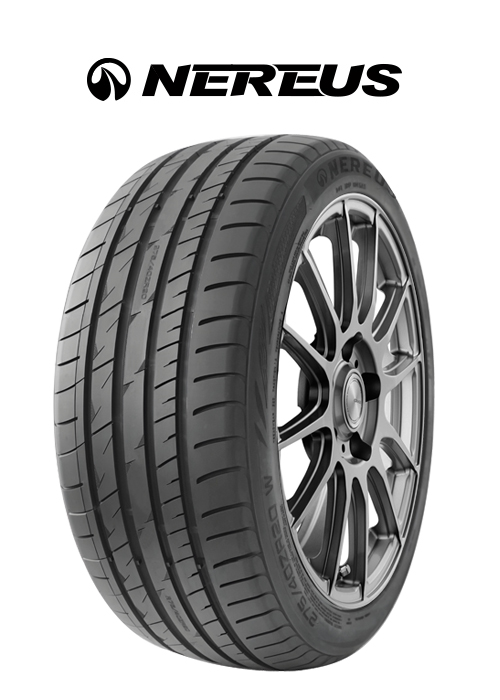
The SUV segment carries the most volume, so it carries the most tread development. The 235 55 r18 winter tires built for the NEREUS NS806 pair a double-crown structure with a soft outer layer over a solid base, so the tread stays sensitive while the shoulder keeps the car planted on ice and snow. The result is the pattern a counter reaches for first when a family SUV or a mid-size crossover walks in.
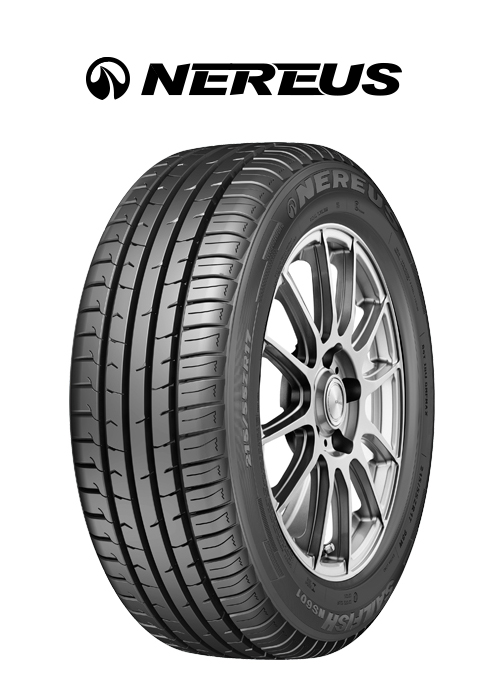
Vans want something different: the set that keeps a loaded delivery vehicle steady on packed snow and wet, slushy road. The 215 65r16 winter tires cut for the NEREUS NS809 VAN use a new rubber formula built for all kinds of road surface, with added surface grooves that raise grip and a good balance of handling and braking on snow and ice.
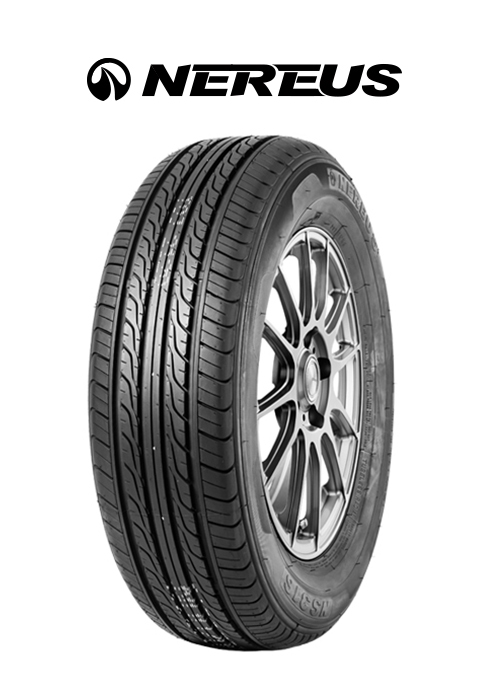
The EV is the newest vehicle class, and it brings a new brief. The 235 45r19 winter tires developed for the ICE3 EV run on a unique tread-compound formula aimed at heavy load capacity, wear resistance and easy handling, with traction and braking tuned for the quiet, top-heavy electric car. This tire was launched specifically for the rapidly growing electric vehicle market.
Across all three, the same engineering shows up: a tread compound and pattern developed specifically for winter, chosen for traction and braking on snow and ice. What changes between the patterns is the priority.
The SUV pattern optimises ice grip, the van pattern optimises drainage and load, and the EV pattern optimises quietness and range. That is the shift a dealer needs to understand: winter technology is no longer a single tread, it is a set of treads, one per vehicle class.
Reading the NEREUS Winter Range
Lay the range out by vehicle and the counter read is straightforward. Here is the verified data that matters when you are deciding what to stock for the season.
| Model | Verified spec | Counter read |
| NS806 | 235/55R18; 15 to21 in | Ice & snow grip, SUV-first |
| NS809 | 215/65 R16C; 14 to 17 in | Drainage + load, van-first |
| ICE3 EV | 235/45 R19; 16 to 21 in | Quiet, load-rated, EV-first |
| WINTER SPORT | 16 to 19 in | Braking + grip, sport-tuned |
Two things to keep straight. The size ranges differ by pattern, so match the spec to the vehicle, not to habit. The EV pattern spans a wider range, 16 to 21 inch, because the electric vehicle market is still settling on its sizes.
high performance winter tires is the phrase the customer uses when they want the SUV or sport pattern done properly, and performance winter tires is what the EV buyer means. Name the right one and the sale moves.
For the customer who drives a loaded van into a city with hard, fast-melting snow, the NEREUS NS809 is the fit. For the customer trading up to an EV who has never fitted a winter set before, the ICE3 EV is the honest answer. The range exists so you can name the right one in a single conversation instead of sending them to the competitor down the road.
Stocking Winter Without the Guesswork
A winter wall is only as profitable as the fit between your walk-ins and what you carry. Lean the SUV depth toward the 235/55r18 class where family SUVs dominate, keep the van size on hand where delivery fleets drive, and hold the EV width for the growing electric walk-in. The winter season is short, and the money is in fitting the customer on the first visit.
Because the patterns are split by vehicle, a customer you cannot place in one slot has an obvious next offer, and the wall turns over instead of going quiet by spring. Line up your stock against your region’s counter mix before the first snowfall, and have the right NEREUS winter range ready when it drops.
FAQ
What winter pattern should an SUV actually run?
The NEREUS NS806 pattern. Its double-crown structure and soft outer layer are built for grip on ice and snow, which is exactly what a family SUV or crossover needs. In the 235/55r18 class it is the counter’s first reach, and it is the set most SUV walk-ins will take home.
How is the van winter pattern different?
It is built for a loaded vehicle on packed, slushy road. The NEREUS NS809 pattern adds surface grooves for grip and balances handling with braking, so a delivery van stays steady while it is carrying weight. That is the difference between a pattern that fits a van and a pattern that only looks like it.
Why do EVs need their own winter pattern?
An EV is heavier, quieter and puts more torque down, so it wants a tread tuned for load and braking. The ICE3 EV pattern is made for exactly that, and its wider 16 to 21 inch range covers the EV sizes that are still settling. Fitting an EV with a generic winter set is the fastest way to lose the range the customer paid for.
Can one winter tread cover every vehicle?
Not well. A tread tuned for an SUV does not optimise a van or an EV, so the range is split by vehicle. Matching the pattern to the vehicle is what keeps the winter wall moving and the returns low, because each set is doing the job it was designed for.
Where do I see the full NEREUS winter range?
In the NEREUS catalog. It lists the NS806、NS809 and ICE3 EV patterns by size, so you can line up the wall against your region’s walk-ins before you buy, and be ready when the temperature drops.