In the quick-moving realm of logistics and commercial transport, tires often remain the least appreciated item in a fleet’s stock. Yet, for company owners and fleet supervisors, picking the correct light truck tyre is far from a simple upkeep chore. It is a key choice that directly affects the financial results. This holds true whether you oversee a nearby delivery operation or a regional building crew. The output of your light truck fleet tires shapes your fuel savings, safety measures, and total work interruptions.
Why Do Specialized Light Truck Fleet Tires Matter for Your Business?
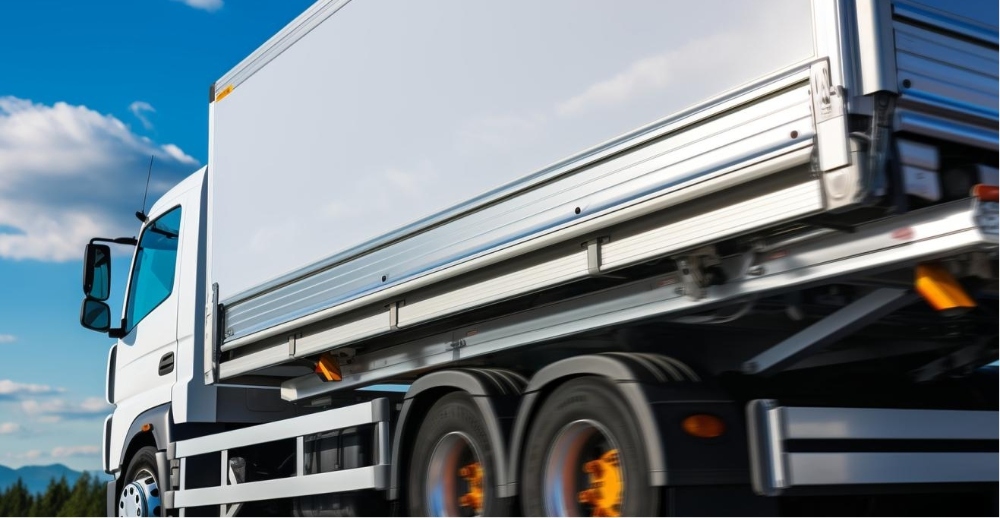
Business tasks create distinct pressures on rubber materials that regular passenger tires cannot endure. A focused tire for truck applications in the light commercial area needs to blend the nimbleness of a car with the tough endurance of a heavy carrier.
One main reason to put money into specialized light truck fleet tires is the strengthening of the inner build. Unlike everyday tires, professional light truck fleet tires usually include 8PR to 10PR (Ply Rating) builds. This improved weight-handling ability keeps the vehicle steady even at its full GVWR (Gross Vehicle Weight Rating).
Moreover, the service life of a truck tyre from a professional car tyre supplier lasts much longer.Top-notch commercial tires use deeper tread levels and targeted wear-resistant mixtures. Such emphasis on toughness cuts down on replacement needs. This matters greatly when handling many vehicles, since each moment of stoppage means missing income.
What Features Should You Look for in a Light Truck Tyre?
When checking a tire for truck use, it is vital to go past the cost and examine the detailed specs that aid in “Total Cost of Ownership.” Expert-level tires come with particular designs to face various setting challenges.
For instance, performance in rainy conditions is a must-have for safety. Modern light truck fleet tires employ straight grooves and unique tread block setups to clear water fast. They avoid hydroplaning even with heavy cargo. Plus, for groups working in diverse weather, year-round flexibility is crucial. This covers resistance to tears and slip prevention, which hold the vehicle on its planned route no matter road junk or climate changes.
The table below outlines the main technical traits of strong commercial light truck tires:
| Feature Category | Technical Attribute | Operational Benefit |
| Construction | 8-12 Ply Rating (PR) | Higher load capacity and puncture resistance |
| Tread Design | Deep Longitudinal Grooves | Superior water evacuation and wet grip |
| Compound | Anti-abrasion Silica Blend | Extended mileage and lower rolling resistance |
| Sidewall | Reinforced Scuff Ribs | Protection against curb damage in urban routes |
| Pattern | Optimized Pitch Sequence | Reduced noise levels for driver comfort |
How to Choose the Right Tire for Truck Applications?
Picking the ideal light truck tyre calls for a review of your fleet’s usual “mission profile.” Not every light truck fleet tire matches all needs. A tire tuned for road fuel savings might falter on a sloppy building site.
- Highway and Long-Distance Logistics
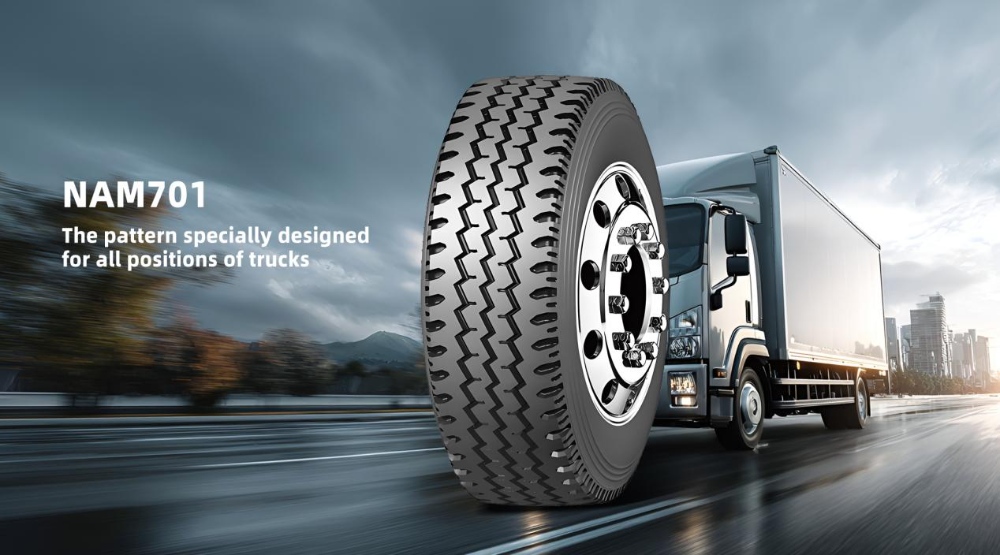
For fleets that cover 90% of their routes on smooth highways, the priority should lie in low rolling resistance and steady high-speed handling. Designs like the NAM701 suit these setups well. They provide an even ride that saves fuel.
- Urban Delivery and Frequent Stops
City settings require a tire for truck use that manages repeated braking, sharp corners, and often brushes with curbs. In such cases, a tire with sturdy sidewalls and strong “scrub resistance” is key to avoiding early sidewall damage.
- Regional and Rough Road Conditions
In numerous worldwide areas, road surfaces fall short of perfection. Expert design enables the creation of targeted “Van” tires for bumpy local paths. For example, tailored builds have worked well in places like Haiti. There, the surfaces demand extra-thick tread layers to fend off rock penetration and sharp waste.
How to Maintain Your Light Truck Fleet Tires for Maximum ROI?
Even the best light truck tyre will wear out too soon without proper care. To stretch the life of your tire for truck stock to the fullest, build a forward-thinking upkeep routine.
- Pressure Management: Stick to the top inflation levels listed. Low pressure causes heat rise most often, which can trigger major tire breakdowns.
- Rotation Cycles: Commercial light truck fleet tires need rotation every 5,000 to 8,000 miles. This ensures balanced tread loss on all wheels.
- Professional Inspections: A support crew can check wear shapes to spot vehicle problems, like poor alignment or tired suspension parts, before they harm fresh tires.
Real-World Success: Tailored Solutions for Global Markets
The worth of a skilled tire supplier shows in adapting to exact location demands. From past records, various effective examples stress the role of custom design:
- Nordic Regions: For customers in Northern Europe, crafting strong winter tires for electric vehicles proved vital. They kept hold in freezing cold without overusing battery power.
- United Kingdom: Summer tires got fine-tuned for the UK’s moist, mild weather. The stress was on silica-rich mixes for top wet-road hold.
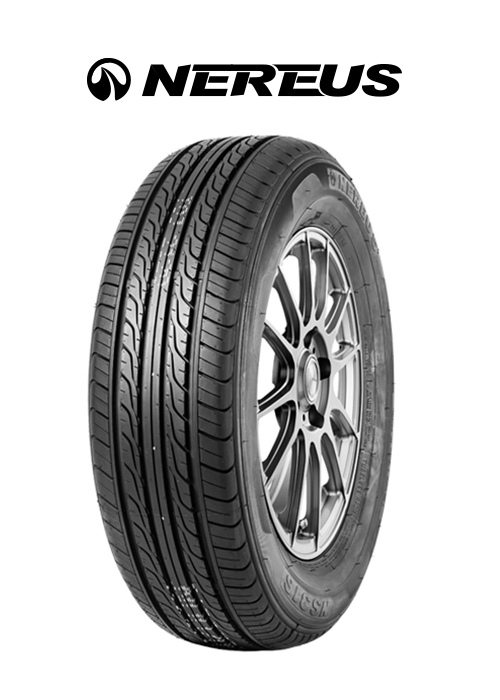
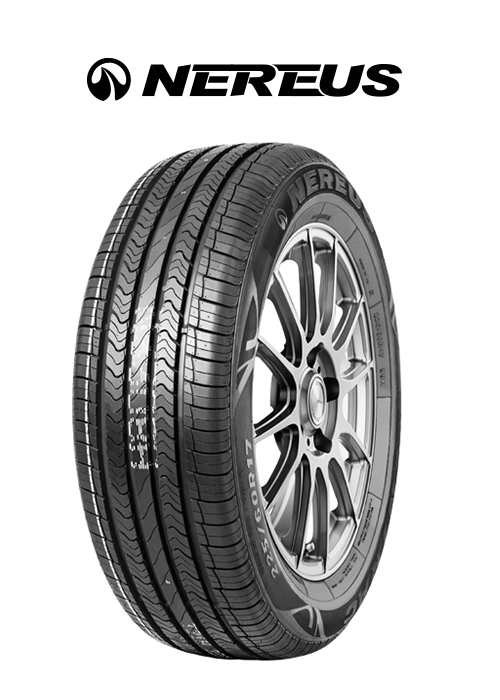
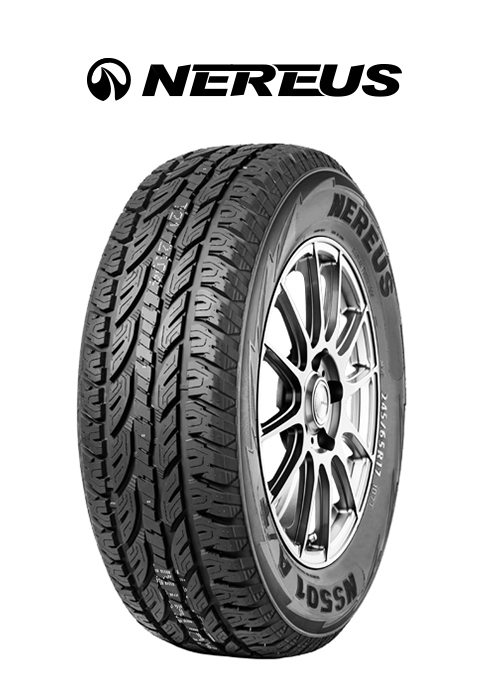
The brand NEREUS stands out for this dedication to range and excellence, providing over 500 options that span from top-speed performance to tough industrial uses.
Conclusion
Boosting fleet output is a complex task, but it begins at the point where the vehicle touches the pavement. By choosing a specialized light truck tyre built for the particular strains of business work, fleet leaders can secure safety, lasting strength, and money savings. Whether the goal is weight handling, fuel cuts, or all-weather hold, the proper tire for truck applications brings returns with every kilometer driven. Partnering with a group that runs full product checks and has a skilled tech staff makes sure your light truck fleet tires stay fit for duty.
Check out the expert lineup of NEREUS tires now to discover a fitted answer for your fleet’s special needs.
Explore NEREUS’s professional product range now to find the ideal solution for your specific needs.
FAQ
Q: What is the typical lifespan of commercial light truck fleet tires?
A: The service length changes a lot depending on cargo weight, path quality, and care practices. That said, a solid light truck tyre made for business purposes can often endure 40,000 to 60,000 miles with good rotation and air levels. The advanced mixes in brands like NEREUS aim to widen this range on purpose.
Q: Can I use passenger car tires on my light truck fleet?
A: Experts strongly advise against it. A basic passenger tire lacks the required Ply Rating (PR) to bear the load of a full commercial van. Opting for a passenger tire over a dedicated tire for truck applications risks sidewall swelling, weak control, and higher chances of sudden bursts.
Q: What does the “Ply Rating” mean for my light truck fleet tires?
A: Ply Rating (like 8PR or 10PR) points to the toughness and weight-bearing power of the tire. Long ago, it meant the real count of cotton layers. Now, it signals matching strength levels. For light truck fleet tires, a greater ply rating generally allows for stronger air pressure and heavier payloads.
Q: How do I know when it is time to replace my light truck tyre?
A: Swap the tire once the tread depth hits 2/32 of an inch (1.6mm). For business fleets, though, leaders often change them at 4/32 of an inch to uphold safety on wet paths. Watch also for “cupping” or uneven wear, which could signal suspension faults.
Q: Are all-season tires sufficient for a tire for truck fleet in winter conditions?
A: It hinges on how harsh the winter gets. In areas with deep snow and frost, a specific winter tire for truck use offers better pull and stopping power. Yet, in milder zones with light slush now and then, a reliable all-season light truck tyre with a smart design can deliver enough performance all year.