A summer tire range must serve both everyday comfort needs and requests for a more responsive sporting feel. Dealers blur that distinction when every performance model becomes an upgrade for every car. A stronger recommendation connects the tire’s intended role with the vehicle’s requirements, then explains the evidence behind the choice.
Summer Season and Performance Focus
Summer describes the intended weather conditions, while performance describes a design focus. Summer tires are developed for warm-weather driving on dry and wet roads; they are not a snow-and-ice solution. Within that seasonal category, different designs can emphasize everyday comfort or more responsive handling. Calling a tire a summer model therefore does not identify the customer it should serve.
The distinction matters when a dealer explains high performance summer tires alongside standard alternatives. Steering response may be central to one enquiry, while a comfortable replacement for an everyday car matters more in another. Neither conversation can replace the vehicle manufacturer’s requirements for size, load capacity and speed rating.
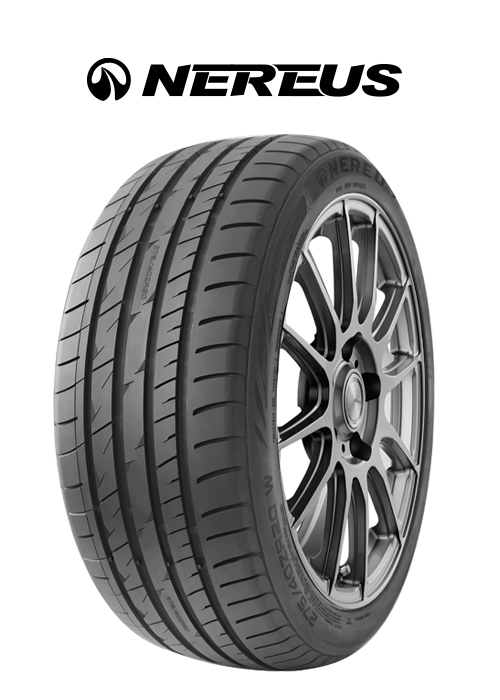
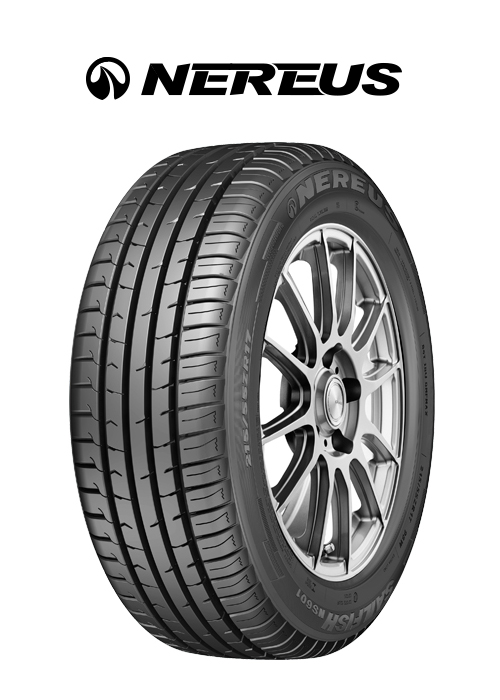
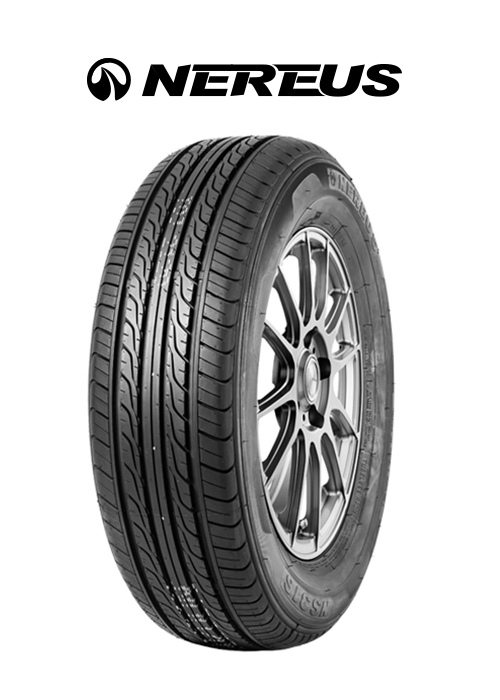
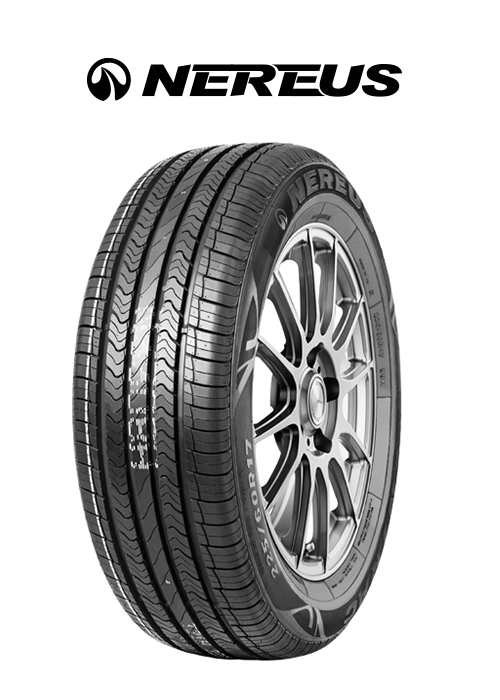
A useful brand range gives those needs identifiable product roles. In our NEREUS car tyres range, NS316 serves compact and mid-sized cars, while NEOPLUS NS607 addresses premium sport sedans. Comparing these roles gives dealers a more useful starting point than treating the model names as a universal quality ladder.
Where NS316 and NS607 Serve Different Cars
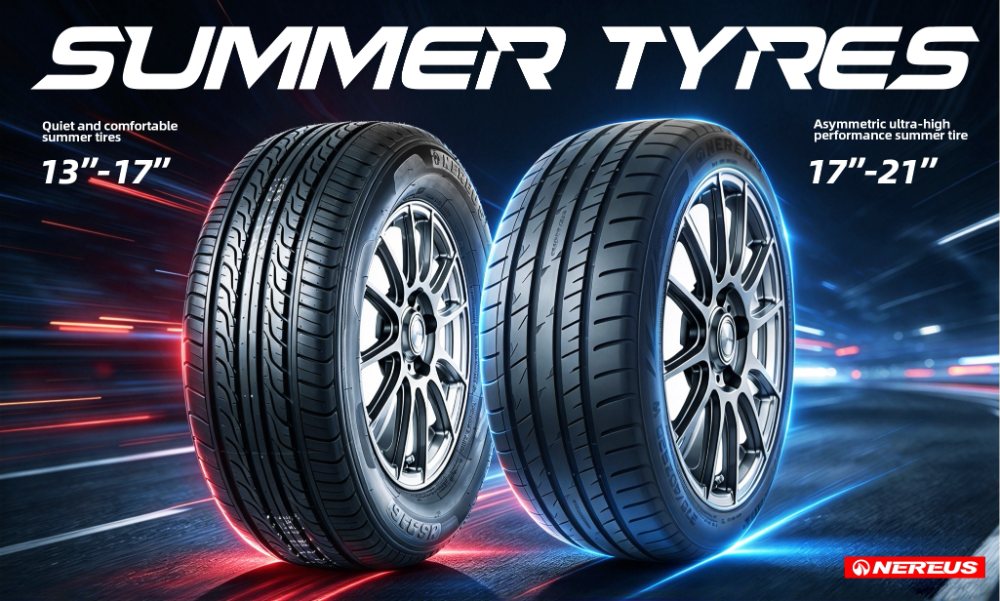
NS316 addresses the everyday passenger-car side of the comparison. Its summer design combines handling with a quiet, comfortable driving focus.
NS607 has an asymmetric ultra-high-performance summer design, with structural reinforcements and high-strength materials intended to sharpen handling. Its tread design also addresses pattern noise. These are design priorities, rather than results from a comparative road test.
The two ranges differ in wheel coverage as well as intended application. The following comparison identifies where each belongs in a dealer discussion; it does not rank braking distance, tire life or cabin comfort.
| Comparison point | NS316 | NEOPLUS NS607 |
| Intended vehicles | Compact and mid-sized cars | Premium sport sedans |
| Main design focus | Handling with quiet, comfortable driving | Responsive handling with noise-focused tread design |
| Rim-diameter range | 13–17 inches | 17–21 inches |
The overlap at 17 inches does not make the models interchangeable. Rim diameter is only one part of a size designation. Dealers still need to match the full size and service description to the vehicle, and a range spanning several diameters does not promise every possible fitment.
An exact NS316 specification makes that distinction concrete. For 205 55 r16 tires, the NS316 205/55R16 94V XL configuration has a 6.5J measuring rim and a rated maximum load of 670 kg per tire. These details support fitment checking; the load figure does not authorize an increase in the vehicle’s permitted payload.
What the NS607 Label Adds to the Comparison
Size-specific label data adds evidence to the performance discussion. For dealers comparing 225 45r18 summer tires, NS607 225/45ZR18 95W XL has fuel-efficiency class C, wet-grip class B and external rolling noise of 67 dB. Those values describe that configuration, not every size carrying the NS607 name.
Wet-grip grades help answer a narrower question than overall tire quality. They concern wet braking performance under defined test conditions. They do not establish dry handling, snow suitability or an exact stopping distance on a customer’s route. Within NS607, the 205/45ZR17 88W XL configuration has wet-grip class C, illustrating why the exact size matters.
External rolling noise also needs a precise explanation. The 67 dB value describes noise outside the vehicle under standardized test conditions, rather than the sound a driver will hear inside the cabin. It cannot support a promise that NS607 is quieter inside a car than NS316.
The two size examples answer different selection questions. NS316’s 205/55R16 data clarifies fitment, while NS607’s 225/45ZR18 label clarifies particular performance measures. Because the sizes and available measures differ, they cannot establish a direct performance ranking between the models.
How Vehicle Requirements Shape the Stock Mix
A dealer’s mix of summer performance tires should reflect the cars and enquiries the business actually serves. Review recent replacement requests by full size and service description, then separate everyday comfort needs from requests for responsive handling. This gives a practical basis for deciding which configurations deserve stock.
Ultra high performance summer tires deserve consideration where the vehicle specification and intended use support that choice. NS607 provides a relevant option for the premium sport-sedan discussion. NS316 provides an everyday passenger-car option. The vehicle requirements remain decisive in both cases; a model’s market positioning alone cannot approve a substitution.
Clear product explanations help keep the recommendation specific. Describe the intended application, confirm the required configuration and explain the relevant evidence. Avoid promising longer life, lower running costs or a quieter cabin simply because one tire sits in a particular category. Such comparisons need suitable evidence beyond the category name.
A Summer Range with Two Clear Roles
The strongest comparison connects each summer tire to a defined need. NS316 and NS607 offer different application and design priorities, while exact fitment and size-specific evidence determine the next selection step. Dealers can use that distinction to build a range with understandable roles instead of an unsupported universal winner.
Discuss your required sizes and local vehicle mix with our team to identify relevant NEREUS summer configurations.
FAQ
What separates standard and performance summer tires?
The main distinction is design emphasis within the summer category. NS316 focuses on everyday passenger-car handling and comfort, while NS607 emphasizes responsive handling for premium sport sedans. That difference does not establish universal superiority in every performance measure.
Are performance summer tires suitable for everyday driving?
They can be suitable when the exact configuration meets the vehicle manufacturer’s requirements and the intended use. Daily driving alone does not select the category. Dealers should discuss comfort expectations and handling priorities without assuming a performance model is always the better replacement.
Does a summer tire work on wet roads?
Summer tires are designed for dry and wet warm-weather roads. The exact product’s wet-grip rating provides additional information. NS607 225/45ZR18 95W XL has class B wet grip, but this is neither a snow rating nor a guarantee for every road condition.
Does 67 dB mean the cabin will be quiet?
The figure describes external rolling noise under standardized conditions. It does not measure cabin sound. Dealers should explain that boundary clearly and avoid converting an external label value into a promise about the customer’s experience inside a particular car.
How should dealers divide stock between the two roles?
Use actual replacement enquiries and vehicle fitments to guide the mix. Compare full sizes and service descriptions, then consider the handling and comfort needs attached to them. There is no universal stock ratio that follows from the standard or performance label alone.